

Organisations should take a people-first approach to attract talent

Ways to foster attractive workplaces include leveraging flexible work options to provide employees with more autonomy.
Men in Japan urged to lead change for workplace gender equality

A project has been launched in Japan to encourage men to take the lead in eliminating gender disparities in workplaces.
More women in South Korea choosing to leave the workforce

Childcare has been cited as the main reason why married women in the country choose to leave the workforce.
Prioritising workplace wellbeing support to create a healthy workforce

Hybrid work, the rising cost of living, and uncertainty about the future are all stress factors for employees in Singapore.
Companies in India continue to define flexible work strategies

While some companies want a full return to the office, others are offering hybrid options as part of a flexible workplace culture.
Why HR leadership is the key to organisational change

A change-ready culture driven by the behaviours and performance of leaders is pivotal to manage disruption and prepare employees for change.
More employees in Japan engage in moonlighting

One in three employees in Japan currently have a side job or have had one in the past, as employers are encouraged to support this practice.
Indonesia sets 10% ceiling on wage hike for 2023

Adjustments to the minimum wage are determined by combining inflation, economic growth, and the productivity at work factor of respective provinces.
Australia clamps down on workplace harassment and violence

A newly tabled convention includes legislation that mandates employers to maintain workplace policies against harassment and violence.
Singapore leads work flexibility agenda in APAC

In contrast, over 20% of leaders in the Philippines, India, Sri Lanka and Malaysia expect employees to be working in the office all the time.
Irresistible: The management principles for today’s companies

Josh Bersin describes the seven key principals that can help organisations create successful business strategies.
Hong Kong provides support for businesses to retain and create jobs
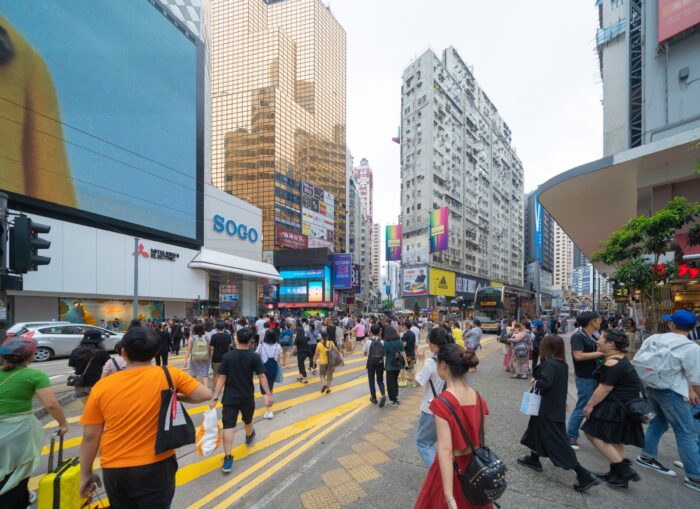
Hong Kong has approved HK$12.1 billion (US$1.5 billion) in wage subsidies for eligible employers and employees.
Organisations face hiring challenges as employee’s market remains

Fears of a potential recession may temporarily curb hiring in the short term, but long-term effects are likely to skew market power toward jobseekers.
Malaysia’s labour market continues recovery
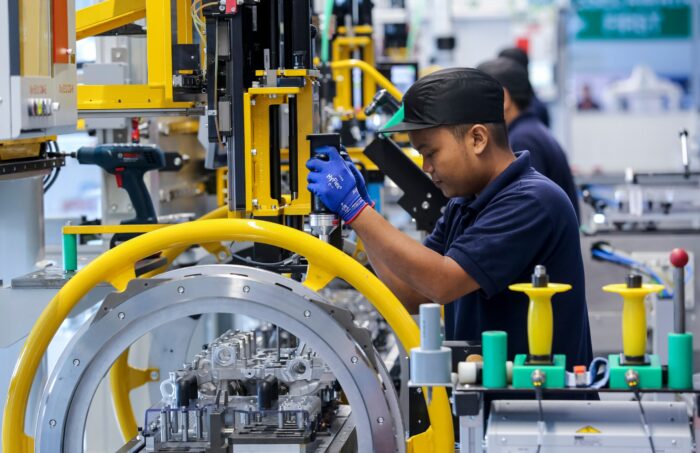
The unemployment rate in the country dropped to 3.7% compared with 4.7% in the same quarter last year.
Labour union calls for stronger support for Singapore’s gig workers

A dedicated advisory committee has been reviewing protections for these workers under Singapore’s pension scheme.
South Korea priorities job creation for older jobseekers

Efforts are ongoing to create employment opportunities for South Korea’s elderly population, which is expected to reach 10 million by 2025.
Gig worker protection to be strengthened in Malaysia
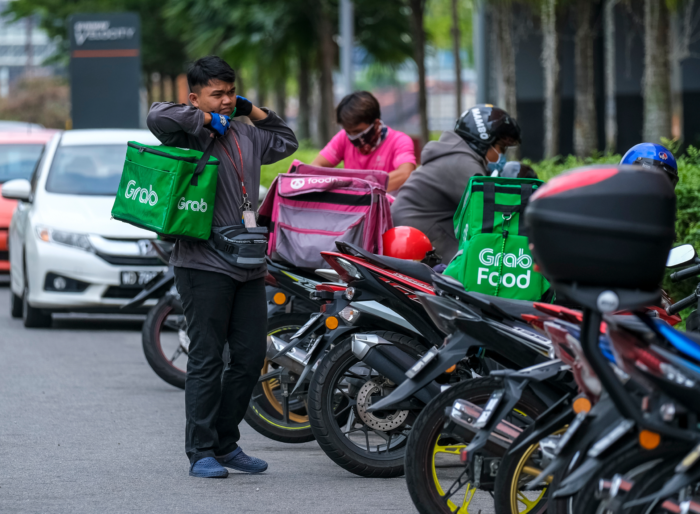
New legislation will see workers in the food delivery service provided with a social security scheme and operators placed under government regulation.
Indonesia looks to create jobs with investments in green economy

Employment opportunities related to environmental responsibility activities are expected to increase, predicted Indonesia’s central bank.
Improve employee productivity and increase skills, firms in Singapore told

As employers consider wage hikes, they should also develop employees’ skills and redeploy them, said Singapore’s Senior Minister of State for Manpower.
Navigating the new paradigm of people and work
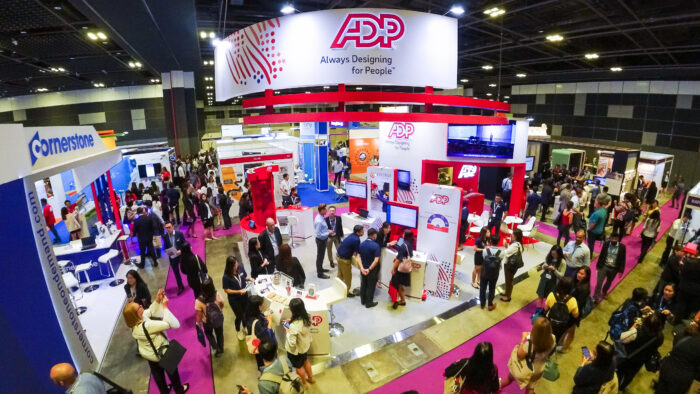
Taking place from 10-11 May 2023, HR Tech Festival Asia 2023 will discuss the most pertinent workplace issues facing organisations in Asia.
Labour group in the Philippines calls for minimum wage review
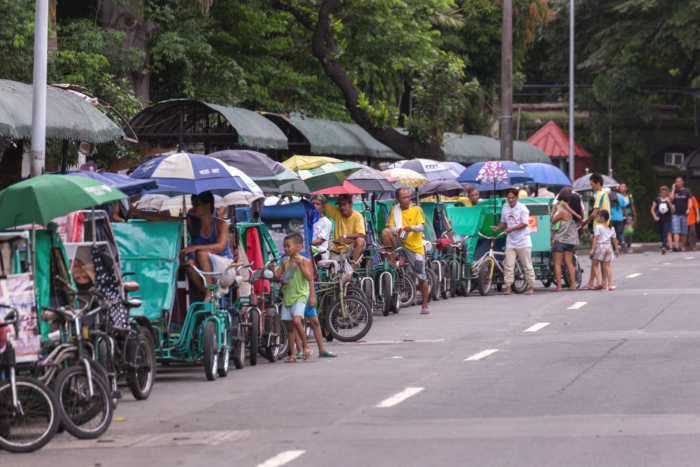
Inflation in the Philippines reached an all-time high of 7.7% in October, which has impacted the purchasing power of workers’ wages.
Gig workers in Singapore divided over contribution to savings scheme
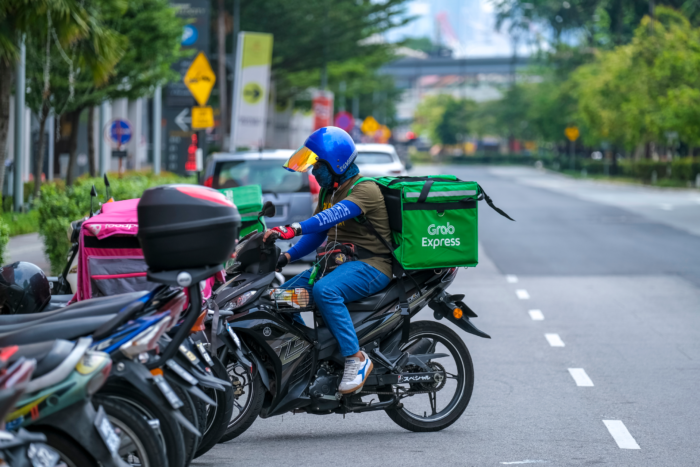
The discourse comes as a special committee continues to study recommendations and ways to strengthen protections for gig workers in Singapore.
Green transition gains momentum with enterprises and employees

Green workplaces are becoming an important aspect of work life for both employers and their employees, as they continue to support enterprise greening.
Most Australians support multi-employer bargaining proposal

Multi-employer bargaining, as outlined in a new bill, allows employees from different workplaces to collectively negotiate pay rises.
Malaysia plans to increase female workforce participation

These include addressing wage inequality and providing more childcare support, as well as upskilling and reskilling opportunities.
SMEs in India are prioritising ESG for business growth

More SMEs in India are implementing ESG practices, but they face challenges such as uncertainty over how to measure the success of ESG projects.
South Koreans spend more time at work despite reduced work hours

While work hours have declined over the past decade, employees in the country are still among those in the world who record the most hours at work.
Employers in Singapore called on to hike wages amid inflation

Wage guidelines for lower-wage workers have been set between 5.5% and 7.5% with the goal of narrowing the pay gap.
Wage hike dampened by rising inflation in Taiwan

The inflation-adjusted remuneration of employees in Taiwan fell in September, despite an increase in salaries over the same period of the previous year.
Vietnam set to hike wages starting July 2023
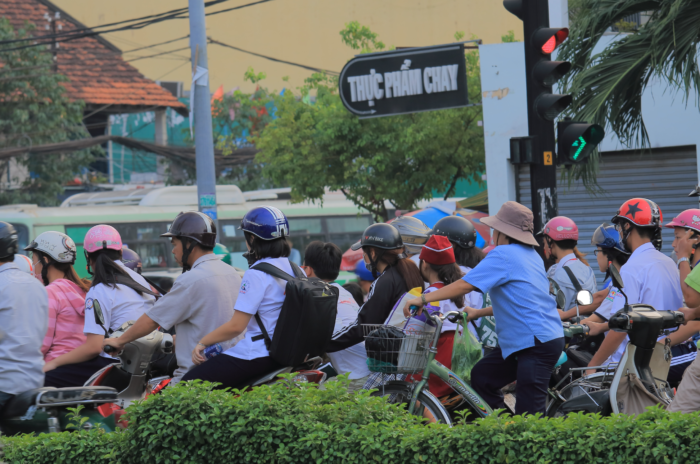
Besides raising the minimum wage in July, pensions and social insurance benefits for retirees will also increase by 12.5% in January 2023.