
Held hostage: Ransomware attacks a test of leadership, not technology

As ransomware attacks escalate, business leaders must realise the need for a coordinated response to safeguard their organisations.
Asia-Pacific sees emergence of Green Collar workforce

Decarbonisation in Asia-Pacific is fuelling a Green Collar workforce, supporting a US$47 trillion economy boost and the creation of 180 million jobs.
The art of crafting dynamic workplace structures for maximum productivity

By increasing temporal predictability and segmenting tasks, employees are more productive and find projects more enjoyable.
Addressing the needs of employees with flexible work arrangement

Employers in Singapore have been urged to offer flexible work arrangements that help to create an engaged and diverse workforce.
Why organisations should not dismiss Gen Zs’ desire for remote work

Employee priorities are shifting, so organisations must prioritise productivity, flexibility, and employee engagement, says Remote’s Chris McNamara.
Struggling with return to office? It’s an ‘organisational change problem’

Organisations need to understand the challenges faced by employees and implement compassionate strategies for a return to the office.
Japan targets more female board members for large organisations

The government is pushing economic policies that require more female board members to be nominated to achieve gender equality.
China considers measures to encourage re-employment of retirees

To encourage more seniors to re-enter the workforce, authorities have been urged to invest in this group and create regulations to protect their rights.
Rapid digitalisation putting jobs at risk in the Philippines

Improving digital infrastructure, rethinking hiring approaches and a focus on skills are some ways the Philippines can manage job roles becoming obsolete.
A progressive wage model might not be what Malaysia needs

The progressive wage model has been considered a success in Singapore, but will it be feasible in Malaysia? An economics professor says no.
Employers in Taiwan grapple with ageing workforce

As a result of declining birth rates, fewer young Taiwanese 15-29 are employed, while employees in other age ranges are on the rise.
HR Tech Festival Asia 2023: HR transformation in the future of work
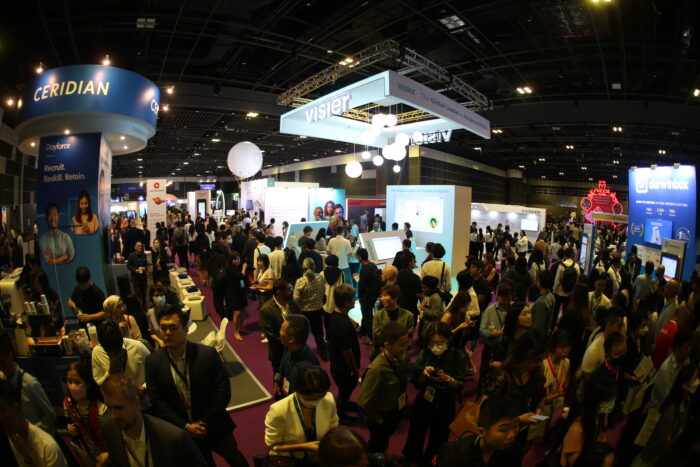
With the evolution of the workplace, HR leaders must recognise and embrace both opportunities and challenges.
HR Tech Festival Asia 2023: What’s happening on Day 2
Day 2 of the HR Tech Festival Asia 2023 is jam-packed with presentations and innovations that will shape the way organisations work in 2023 and beyond.
Celebrating Asia’s top HR leaders and organisations
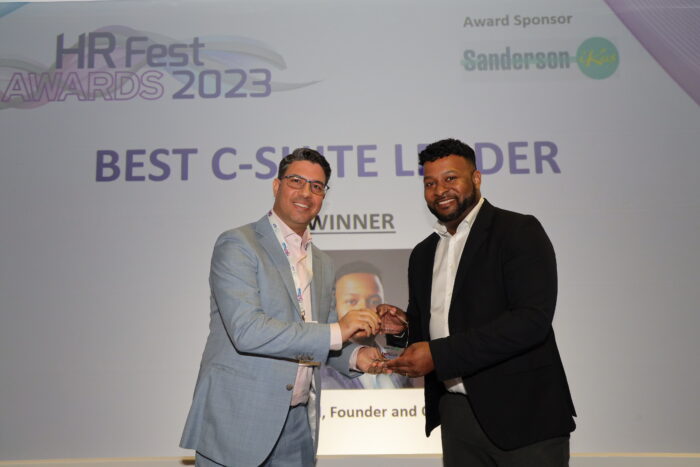
Winners of the HR Tech Festival Asia 2023 were recognised for setting the benchmark of excellence and innovation in the HR industry.
Employed women in their 30s rising high in South Korea

Women in their 30s are making up higher numbers in South Korea’s working population, while numbers of men in the same age group are declining.
Developing lifelong learning skills essential for career changers

With lifelong employment on the decline, employees have to adapt and develop new skills to continue being employable.
Underemployment hinders Malaysian SMEs’ ability to find skilled employees

A Future of Work Taskforce could help SMEs create a skilled workforce that supports their growth, said the Small and Medium Enterprises Association.
Does successful change begin with communicating your message clearly?

Jean Lua, Chief HR Officer, Kredivo, highlights the key principles HR leaders need to understand about change management.
The three effective work norms for successful hybrid work models
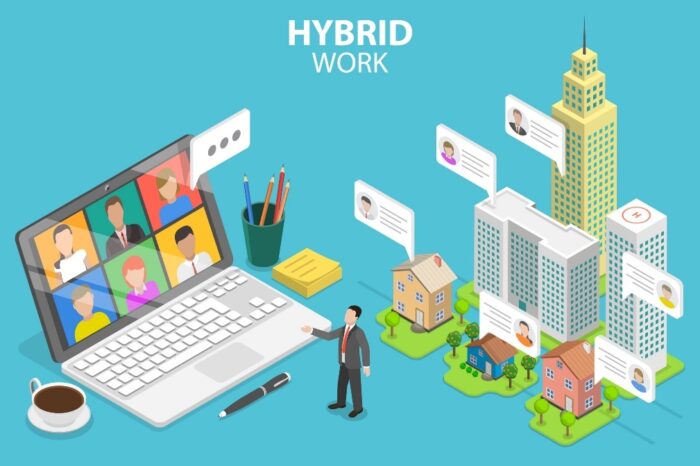
Successful hybrid work models work when organisations develop clear and explicit work norms, which encourages employees to stay.
Unleashing human potential in an age of AI

Organisations should not neglect the human potential in their employees, even as technologies continue to impact and change the way we work.
Japan’s public sector joins four-day workweek drive

Driven by the need to attract talent, Japan is proposing new laws that will offer more public sector employees a four-day workweek.
Employees in Singapore seek higher pay despite fears over job security

While employees remain confident that their employers will support them during uncertain times, job and income stability are paramount.
The three key traits to effective leadership

Leaders must develop three key traits to lead their organisations and people through times of uncertainty.
The world is changing! Are you and your employees ready?

Tim Sackett, who will be speaking at HR Tech Festival Asia 2023, examines the potential impact Generative AI can have on the future of work.
Reimagining HR strategies to create new paradigms of people and work
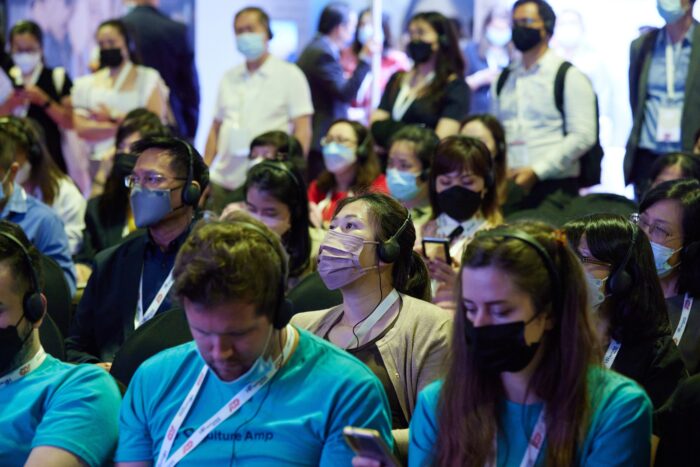
Speakers at the Reimagine Theatre during HR Tech Festival Asia 2023 will highlight the challenges and opportunities posed by the evolving world of work.
Employees in Thailand afforded more freedom to choose where to work

The amended Labour Protection Act sets out the terms and conditions to define the work-from-anywhere concept in Thailand.
Embracing sustainable business practices gains momentum in Asia

With investors and stakeholders demanding transparency, accountability, and responsibility, ESG is now a key business consideration.
The four-day workweek: Is it and can it be for real?

A study in the UK found that, after shortening the workweek, things were better for employees, and at least no worse for employers.
Attracting and retaining the best talent with design thinking

Dr CJ Meadows will be at HR Tech Festival Asia 2023 to explain why design thinking is becoming a top priority for high-performing HR teams today.
More flexibility for employees in South Korea to choose when to work

Plans to revise the current 52-hour workweek will afford employees more control over how they manage their working hours.