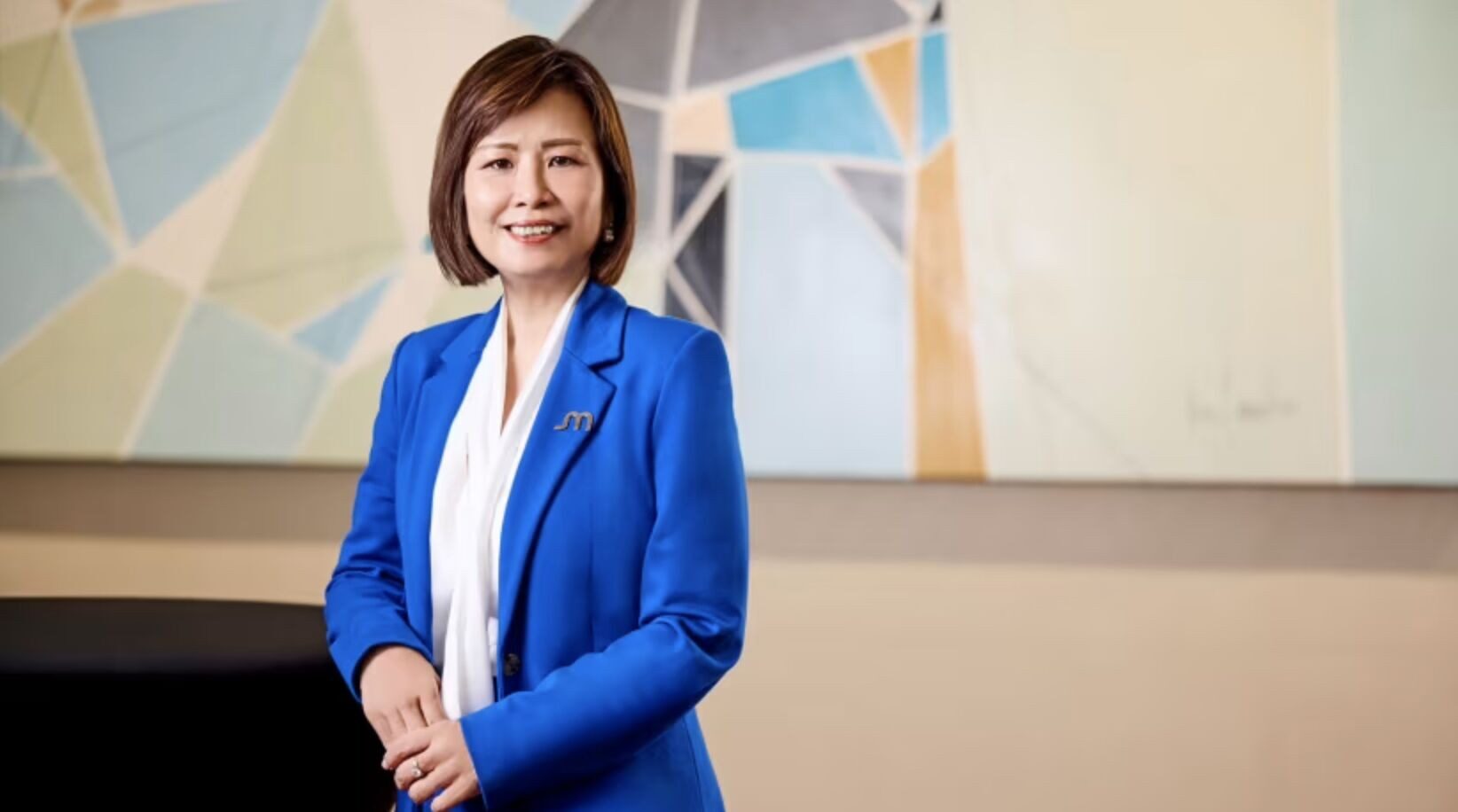

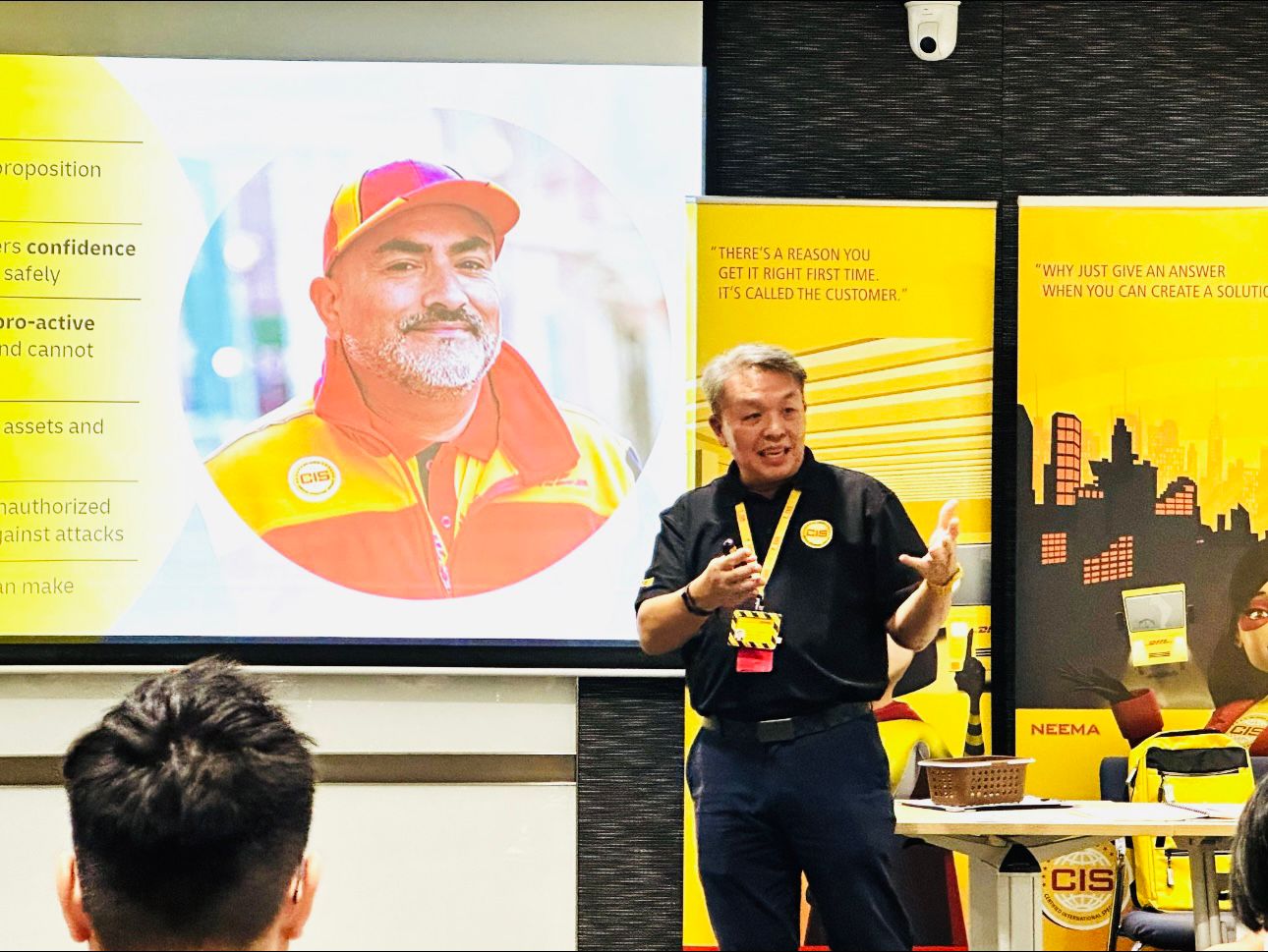
Chris Ong is the Managing Director of DHL Express Singapore and a leader known for blending sharp business acumen with deep people-first values. With a calm presence and clear vision, he champions a culture where trust, pride, and purpose drive performance. Under his leadership, Singapore became DHL’s global benchmark for engagement, innovation, and frontline empowerment. (Photo credit: DHL)
In May, we savoured the story of how a simple curry puff turned into DHL’s example of showing real appreciation. If that left you hungry for more, grab a seat because art two serves the bigger lesson behind these warm pastries and the trust they built, one bite at a time. The real magic lies in how DHL achieved one of the most remarkable cultural transformations in its corporate history.
From Crisis to Opportunity
During DHL’s rapid expansion to 220 countries over four decades, it encountered a significant challenge during the 2008 financial crisis. During the 2008 financial crisis, DHL faced significant challenges and exited its DHL Express US domestic business, overcoming these challenges through restructuring and a renewed focus on its international operations.
In certain demanding markets, immediate business targets sometimes overshadow employee needs. While this approach achieved results, it did not always foster a culture in which people could take pride. Over time, engagement levels held steady at around 60%, and some employees felt overlooked.
DHL’s turnaround began in 2009 with a bold new strategy centred on investing in its people. The FOCUS strategy, designed to drive the company back to profitability, is built on four key pillars: Motivated People, Great Service Quality, Customer Loyalty, and a Profitable Network.
The Lightbulb Moment: And, not Or
DHL also realised its leaders needed to be more ambidextrous, masterfully wielding both performance and humanity with equal skill.
This birthed a game-changer philosophy, “Results without compromising Respect.” DHL expanded the definition of respect. Success meant a positive answer to these questions:
- Is your leader motivational?
- Do they inspire you?
- Do they cause you to wake up in the morning and think, “I want to go to work because I am happy to do so?”
This shift aimed at building sustainable performance through trust, motivation, and inclusive leadership. Leaders would deliver great business performance while treating their teams as valued human beings who matter.
Leaders as Master Teachers
Here is where DHL got brilliant. While they initially consulted a firm to co-develop the new leadership training, they insisted on using their own leaders as culture evangelists instead of professional facilitators.
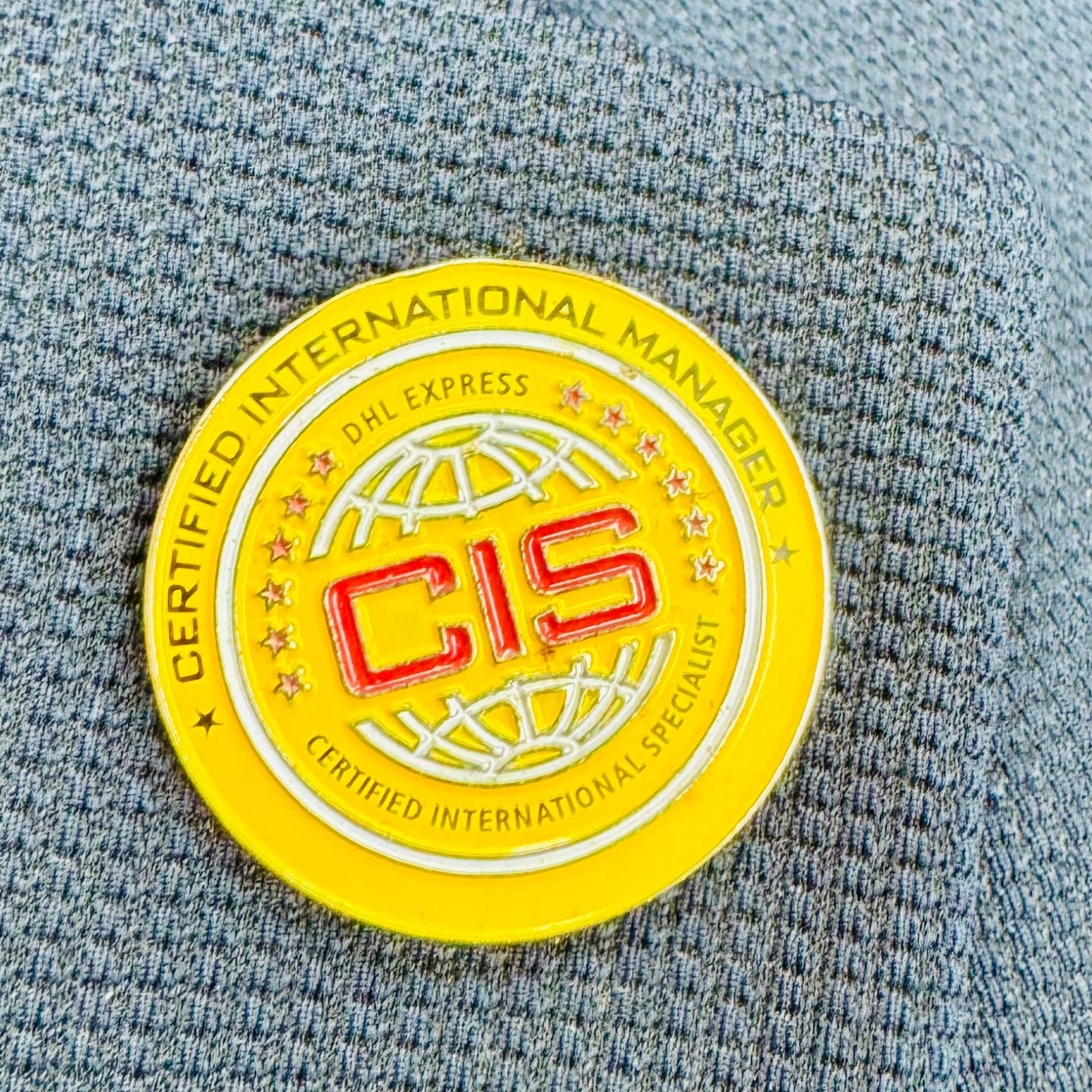
They launched the Certified International Specialist (CIS) programme. Senior leaders were handpicked to go through intensive training and then certified to train others. This programme turned senior managers into walking, breathing, and teaching embodiments of “Results without compromising Respect.”
READ MORE: How DHL went from nosedive to sky high by lifting its people
Chris Ong was one of the pioneer facilitator leaders to spread the new culture DNA, transforming DHL’s “Big Yellow Machine” into a place where humans could actually thrive.
He shared that the early training sessions were anything but smooth sailing. One of the main challenges was rebuilding trust with anxious and sceptical employees. They would say something, “You have nice espoused ideas, but my manager does not treat me with this kind of respect.”
Chris remembers vividly that one of the pre-workshop questions was to think about their Respect-focused leadership role model. The facilitators realised that they have to embody then role model the behaviours they wanted for their leaders to have.
Two-Way Feedback
 One of the core teachings of the CIS programme is to teach everyone how to give and receive feedback. That created open communication both ways.
It all starts with awareness—the ability to be observant and notice everything, not just areas that need improvement, but also actions worth appreciating. Begin by sharing your observations, and most importantly, explain the impact of their behaviour. This reinforces the value of their actions and encourages the development of positive habits.
Chris wears his culture ambassador pin like a badge of honour earned in the trenches. For over a decade, he has been facilitating leadership training, living by one powerful belief: “You master leadership when you teach it.”
Relationship Building through Regular Check-Ins
Another foundational practice is the strong emphasis on relationship building. In addition to monthly structured conversations, DHL encourages leaders to hold regular check-ins with their team members as frequently as possible. This goal is not to micromanage, but to connect, offer support, and address potential issues before they escalate.
Chris does it every other day with his Senior Management Team (SMT) to ensure alignment and support. He asks questions of stewardship, such as “How can I support you today?”
This consistency reinforces psychological safety, encourages transparency, deepens relationships, and ensures issues are addressed proactively.
Leaders Determine the Weather at Work
Chris has a powerful metaphor for how leaders should be aware of the energy they bring to the workplace. “Leaders determine the daily weather for their team.”
Think about it: When your boss walks into the room, does the temperature drop or rise? Do people tense up or light up? Are storm clouds gathering with blame and shame, or is it sunshine filled with hope and possibilities?
I could not agree more with Chris. In our Delivering Delight leadership programmes, we dedicate at least half a day to building leadership awareness and teaching techniques that enable leaders to prime themselves to manage and regulate their internal emotions.
You are either the office sunshine or the office storm cloud. The good news? You get to choose which forecast you bring. The bad news? Everyone can tell when you are having a bad hair day.
Leaders go beyond managing tasks. They create the emotional climate that their teams live in every single day. DHL leaders learned to be master meteorologists, bringing consistent warmth and energy that makes people want to do their best work.
Keep Evolving
Since embracing “Results with Respect”, DHL’s employee engagement scores have soared. But the story continues to unfold. The transformation continues to evolve, grow, and adapt. They are building internal capabilities, scaling their facilitator team, and maintaining the kind of leadership visibility that keeps everyone accountable.
Under the leadership of Chris, DHL Express Singapore achieved what many believed was out of reach. Employee engagement soared from 59% in 2009 to 98% now.
In 2024, DHL Express became the only company named the number one Best Workplace in Singapore five times by global people analytics and consulting firm Great Place to Work Institute. At the same time, global profits climbed year after year, reaching over €4 billion in 2022, with the highest margins in the express logistics industry.
About the Author: Avi Liran is an author, economist, writer, C-level mentor, and one of Asia’s top motivational and inspirational keynote speakers. Avi is a thought leader and expert in creating delightful customer and employee experiences, fostering appreciation, and building authentic resilience.