
Inside Agoda’s strategic push to reclaim workplace chemistry and human judgment from the digital void
- Josephine Tan
When Agoda relocated to a new office at One Bangkok in April, it did so on a scale that ran against the grain of the remote-first years. The 26,000-square-metre campus spans seven floors and brings close to 4,000 employees under a single roof, a footprint the online travel agency describes as engineered to attract tech talent and accelerate innovation.
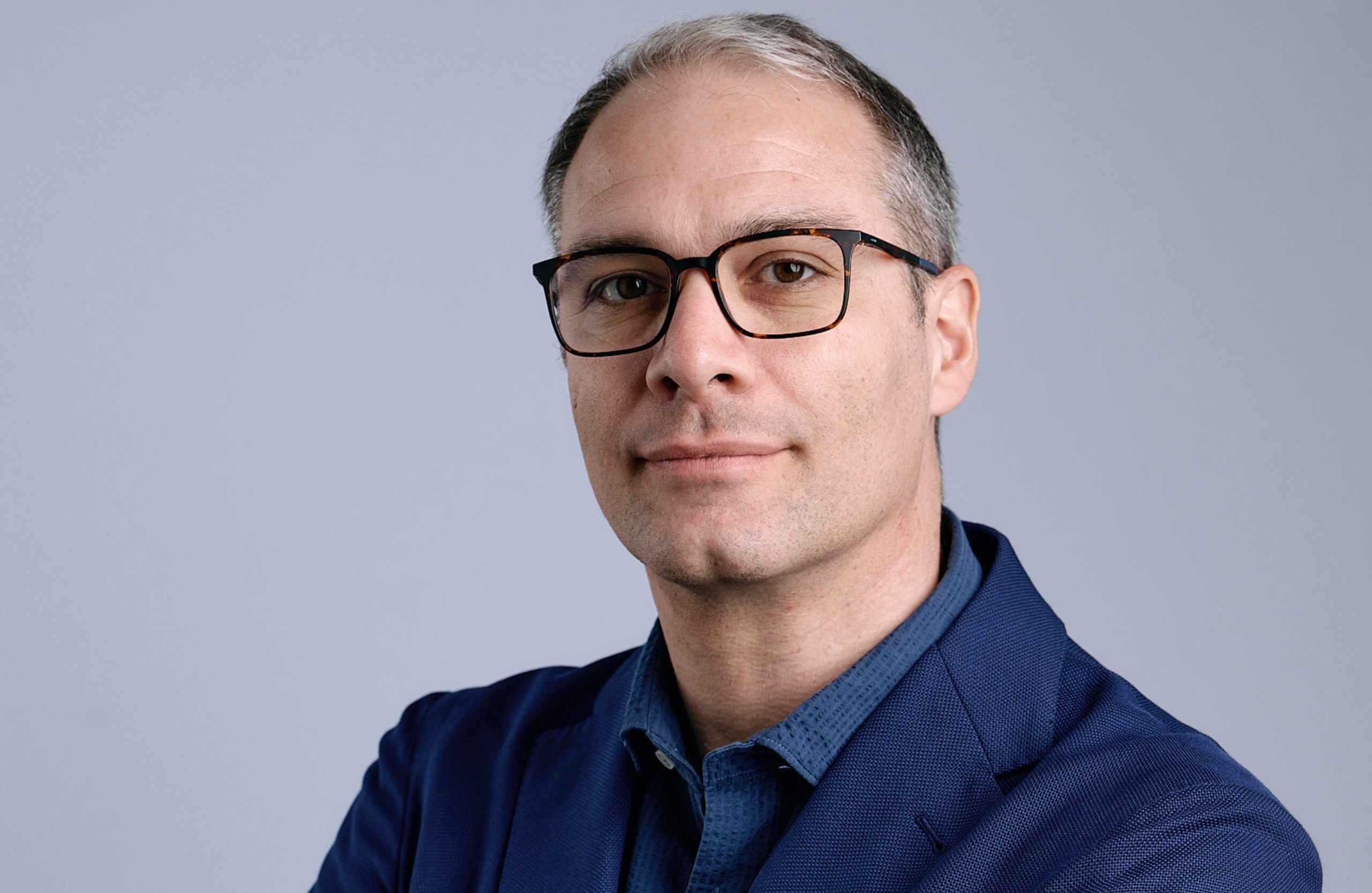
For Paolo Inga, Chief Organisation and People Officer at Agoda, the move was less a property decision than a statement of belief about how work happens. “The move to One Bangkok was not a retreat from flexibility,” he tells HRM Asia. “It was a deliberate statement about how we believe great work actually happens.”
Culture, in his telling, is built in the in-between moments. “The corridor conversation after a difficult meeting, the junior employee who catches something a senior person missed because they happened to be in the same room,” he says. “Those moments are the infrastructure of a high-trust organisation.” It is the kind of informal collision, he argues, that a digital-first environment struggles to replicate.
Agoda employs people from more than 90 nationalities and remains committed to flexible working, Inga notes. But without the right connective environment, he cautions, “collaboration, creativity, and mental wellbeing cannot flourish.” The wager is that a shared campus gives a diverse, distributed workforce exactly that.
The timing places Agoda within a wider regional pattern. Asia-Pacific has led the global return-to-office shift, and CBRE’s 2025 occupier survey found that 42% of organisations in the region planned to expand their office footprint over the next three years, against around a fifth expecting to reduce space.
What AI can execute – and what it can’t decide
If the office question is one half of Inga’s people agenda, AI is the other, and here his argument is about continuity rather than rupture. HR, as he defines it, “is about shaping and enhancing the outcome of the organisation we all work for,” and the human element has leveraged technology to multiply its output since the Industrial Revolution. AI, he says, has not changed that paradigm so much as “dramatically accelerated” it. More than 70% of Agoda’s employees already use generative AI (GenAI) productivity tools, and within HR he sees the technology streamlining screening, reducing administrative load and bringing consistency to early-stage evaluation.
What it will not do, he insists, is decide. The choices about culture, values and who an organisation hires, develops and promotes remain firmly with management and HR. “It can execute but not decide the key values,” he says. “That is where human leadership earns its keep.”
That division of labour is becoming a common theme as AI moves from experiment to infrastructure. Gartner has reported that one in two HR leaders has now deployed GenAI in their function, while SHRM’s 2026 research found that adoption has more often shifted job responsibilities and opened reskilling opportunities than displaced employees outright.
Reskilling is where Inga’s thinking turns to workforce planning, an exercise he believes can no longer run as an annual headcount cycle. Automation will steadily absorb simpler, repetitive tasks, he says, much as earlier waves of technology did – a trend he likens to household innovations such as the washing machine replacing manual labour. “The key for all of us is to remain flexible and continue building skills that stay ahead of what I would call the ‘automation line,’” he says.
He is equally focused on timing. “There is always a gap between the moment technology increases productivity and the moment people are retained, reskilled, and able to move into new forms of work,” he says. That lag, in his view, is the argument for staying ahead of the curve rather than reacting too late.
Asked how people leadership might look a decade from now, Inga draws a sharp line between mechanics and meaning. “The mechanics of HR will be largely unrecognisable,” he predicts – scheduling, onboarding, compliance and benefits administration all made far more efficient as AI is built into them.
What endures is the focus on the human element: HR as advisor, coach and cultural ambassador for the organisation and its values. Leaders who create psychological safety, he adds, will matter as much as ever. “You can automate a performance dashboard,” he says, “but you cannot automate the trust that allows someone to say they made a mistake or that they need help.”
It is a framing that turns the familiar anxiety about automation around. For Inga, the more that AI absorbs the routine of work, the more weight falls on the question it cannot settle for anyone. “As AI handles more of the what and the how,” he concludes, “the question of meaning will only become more important.”