
The benefits breakpoint: Why Hong Kong’s HR leaders are moving from payer to partner
- Josephine Tan
The silent contract between employer and employee in Hong Kong is being rewritten. For decades, a standard group medical plan was the “set-and-forget” staple of corporate life—a baseline requirement that quietly sits in the background of an employment offer. But as 2025 unfolds, that background noise has reached a deafening crescendo.
A perfect storm of double-digit medical inflation, a post-pandemic mental health reckoning, and an ageing workforce has pushed the traditional benefits model to its breaking point. For HR leaders, the mandate has shifted: it is no longer enough to simply pay for coverage; they must now architect a strategy that balances fiscal sustainability with a radical new demand for personalisation.
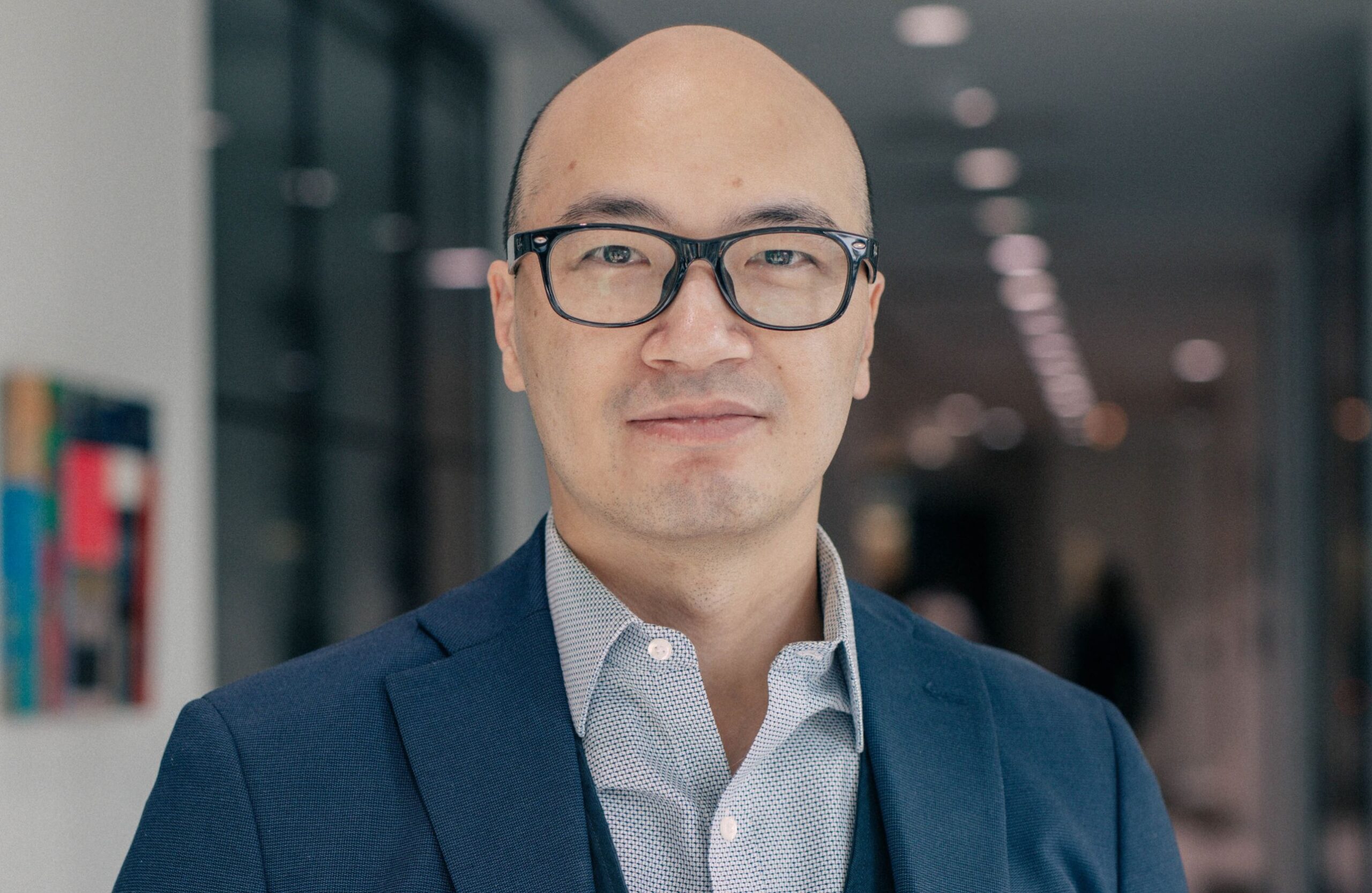
“These trends signal a clear shift: benefits are evolving from a hygiene factor to a strategic component of the employee value proposition,” Steven Luk, Executive Director of Employee Benefits at Howden in Hong Kong, told HRM Asia. With 25 years in the industry, Luk has seen cycles of change, but none as transformative as the one currently reshaping the city’s corporate landscape.
The fiscal tightrope: Double-digit inflation
For the first time in three years, medical inflation in Hong Kong has surged into double digits. According to Howden’s Hong Kong Employee Benefits Report 2025, which analysed data from nearly 300 organisations and 42,000 insured members, projected averages have exceeded 10%. This is not merely a statistical anomaly; it is a direct hit to the bottom line of every major employer in the territory.
This spike is mirrored in claims ratios, which climbed back to 95% in 2024. The pressure is coming from two sides: an ageing workforce that requires more frequent and complex care, and a healthcare system grappling with its own rising costs. By 2046, the government projections show that 36% of Hong Kong’s population will be aged 65 or older. For the private sector, the “silver tsunami” is already visible in the claims data.
“Medical inflation…impacts both sides,” Luk explained. “Employees face higher out-of-pocket costs for care, while employers struggle with rising insurance premiums that put pressure on budgets.”
The report warned that the days of reactive cost-cutting—simply switching providers to save a few percentage points—are over. Forward-thinking HR teams are now using granular data to negotiate. By analysing claims by grade and diagnosis, Howden has helped employers reduce proposed premium increases by an average of 11% through data-backed discussions.
While the physical cost of care is rising, a “silent” crisis is brewing in workforce wellness. The report highlighted a stark disparity between what employees want and what organisations provide. Today, four in five employees in Hong Kong consider health support a primary factor in their career decisions. Yet, many organisations are still operating on a legacy framework that focuses almost exclusively on inpatient and outpatient care.
Mental health coverage remains the most significant underdeveloped area. Only 30% of employers in Hong Kong currently offer outpatient mental health benefits, and a mere 24% extend inpatient treatment coverage.
“Mental health is gaining attention,” noted Luk, “yet only 30% of employers currently include mental health coverage in their schemes.”
This gap is more than an atmospheric concern; it is a recruitment risk. Gen Z employees, who will soon dominate the entry-to-mid-level workforce, increasingly prioritise employers who offer holistic wellness. This demographic also demands flexible work arrangements—another area where Hong Kong continues to lag, with only 10% of the private sector offering formal flexible policies despite 80% of Gen Z expressing a preference for hybrid models.
The mechanics of personalisation: The “layering” solution
The central dilemma for HR in 2025 is the “Personalisation Paradox”: How do you offer a tailored, high-value experience to a diverse workforce without bankrupting the organisation?
Luk’s solution is a move towards a “voluntary” or “optional” benefit scheme. This model allows the employer to maintain a stable, high-quality core plan while providing employees with a gateway to purchase “top-up” coverage—such as higher dental limits or specialised medical care—at group-negotiated rates.
“Our role as a broker is to recommend options employers can offer to employees while keeping overall costs reasonable,” Luk said. “Rather than shifting risk to individuals, it acknowledges that group schemes are designed for a collective and may not reflect each employee’s specific needs.”
READ MORE: From fixed to flexible: Why Asia’s top talent expects benefits that move with them
By facilitating these voluntary plans, which often allow employees to cover pre-existing conditions that would be excluded from a standard individual policy, the employer enhances their employee value proposition without adding a single dollar to the core benefits budget. It empowers the individual to customise their care while maintaining the financial integrity of the group.
And as we look towards the next decade, technology is poised to become the great equaliser in benefits administration. Luk predicted that AI would revolutionise the sector by streamlining labour-intensive tasks—from diagnostics to pattern-spotting in claims data—allowing for a level of efficiency previously unimaginable.
“AI will bring tremendous change…assisting in diagnostics and helping providers spot patterns to optimise offerings with a global consistency and local nuances,” Luk said.
However, he is quick to caution HR leaders who might be tempted to automate the entire experience. In Luk’s view, the more digital the “plumbing” of benefits becomes, the more valuable the human element becomes. “Employee benefits is a human business, so balancing technology with empathy is crucial,” he asserted.
A new regional benchmark
As medical inflation outpaces Hong Kong in several other Asia-Pacific markets, the city’s proactive pivot towards data-driven, personalised care is setting a new regional standard. The differentiator in the coming years will not be who has the biggest budget, but who has the most educated workforce.
“Education is critical,” Luk emphasised. “Helping individuals understand coverage gaps and navigate available options is now as important as the benefits themselves. Guiding employees to understand their needs and available options can set a benchmark for the region, combining cost control with personalisation and care.”