

As global labour markets cool but economic concerns persist, employers are reconsidering the traditional 9-to-5, full-time employee workforce model and favouring flexible talent strategies, according to a recent survey.
ManpowerGroup’s latest Employment Outlook Survey, which surveyed more than 40,000 employers across 42 countries, including over 6,000 from the US, found that temporary employees now handle 24% of specialised, short-term tasks. For comparison, permanent employees handle about 39% of such tasks.
Flexible talent could play an increasing role as organisations manage workforce planning in an uncertain economy, the report found. Nearly half of those surveyed plan to maintain current staffing levels this quarter, signalling a move toward long-term workforce redesign rather than short-term cuts.
A changing landscape

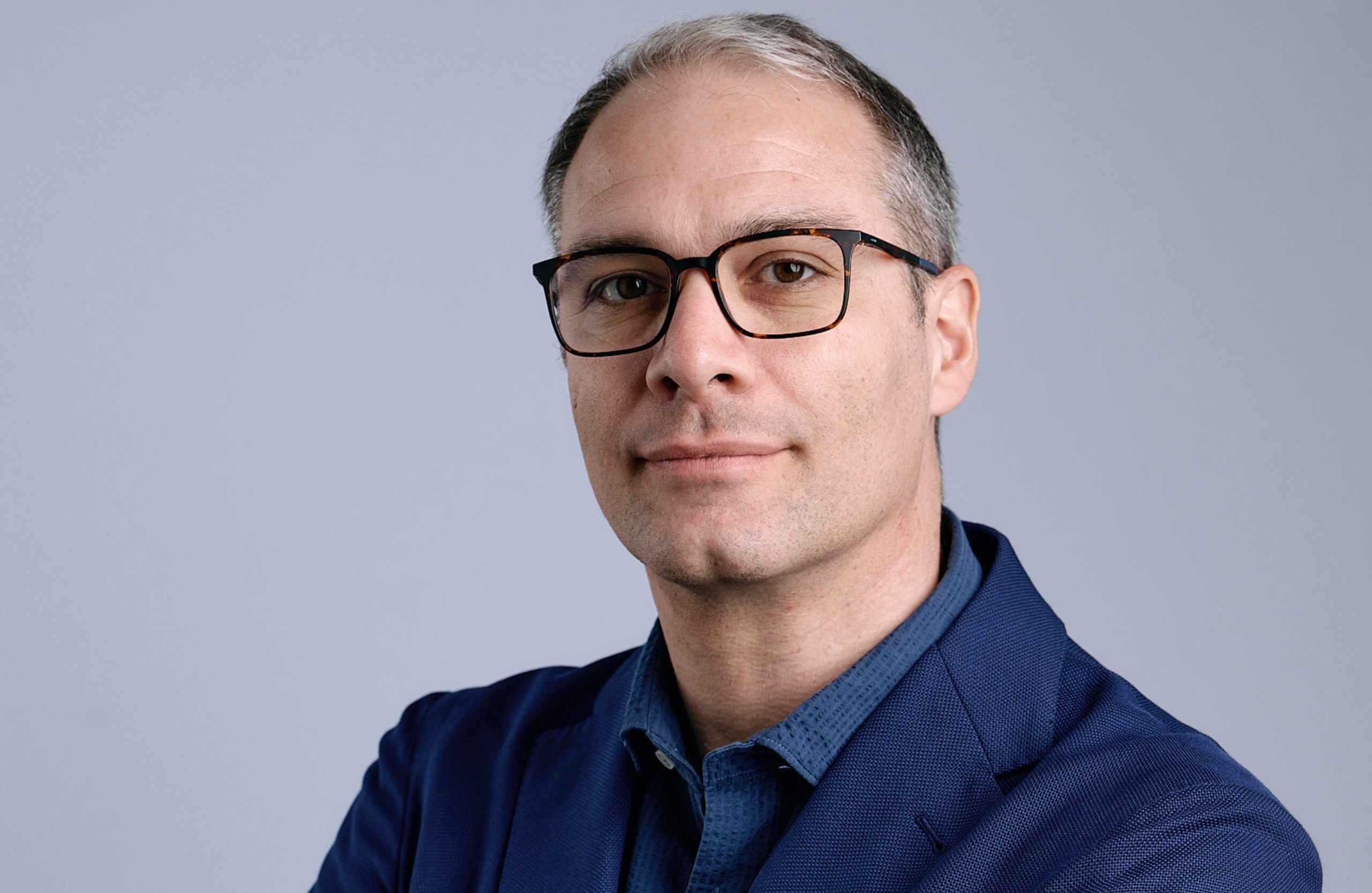
According to Ger Doyle, Regional President of ManpowerGroup North America, it is an overall stable market but still marked by considerable indecision caused by “macro” factors.
“Employers in the US are embracing flexible talent models to stay competitive in a shifting economy,” Doyle says. “As hiring slows, the focus is on agility, tech readiness and creating workplaces that attract and retain top talent.”
The research found that 41% of employers cite attracting qualified candidates as their biggest obstacle, while 39% view work-life balance as the most effective retention strategy. More than one in four employers (27%) are hiring specifically to keep pace with technological change. Among those reducing employees, over 39% cite economic uncertainty as the primary driver.
“Employers perceive they have an advantage in negotiating terms like pay and work location as the global talent shortage slightly eases, but this can change quickly, as we have seen previously,” Doyle says.
Three strategies to win with flexible talent
With that, Doyle offers imperatives for HR leaders looking to embrace flexible talent strategies in this new reality.
1. Master the art of workforce composition, not just headcount
Doyle says the most telling data point is not that hiring is slowing, but that 45% of employers globally are maintaining steady headcount while fundamentally reshaping how work is done. “HR leaders need to think like portfolio managers now,” he says, adding that when temporary employees handle a significant share of tasks, that is not cost-cutting; it is strategic workforce design.
“The organisations winning today aren’t just hiring people anymore, they’re assembling the right mix of talent for each situation,” Doyle says. “HR needs to get comfortable managing permanent employees alongside contractors and consultants.”
2. Get really good at hiring for what matters
ManpowerGroup’s US research revealed that 41% of employers struggle to find qualified candidates, while new job postings declined by 19% month-on-month in August.
He says, “That tells you organisations are getting picky about where they spend their hiring dollars,” he says. The pattern is clear: Organisations are doubling down on roles that directly support their core business or help them adapt to change, whether that is AI specialists or the people who keep operations running day to day.”
“HR leaders who can spot these critical roles across all functions and build targeted pipelines are the ones winning right now.”
3. Economic uncertainty is the new “planning parameter”
While one-third of organisations plan to reduce staff due to economic uncertainty, that figure dropped slightly from 35% earlier this year.
“That suggests organisations are getting better at managing through unclear times,” he says. Organisations are not panicking; rather, he says, they are “recalibrating.”
READ MORE: Why hiring Gen Z means HR has to rethink the entire talent playbook
The HR teams succeeding in this environment have built flexibility into everything they do. With that, they can ramp up hiring for critical roles when they see opportunity, and they maintain their core team when things get bumpy.
“It’s workforce planning, not workforce hoping,” he says.
Being successful in that work is not about “doing more with less” but instead about being “smart” with your talent strategy.
“The organisations that come out ahead,” Doyle says, “will have HR leaders who learned to read the signals, build flexible teams and stay focused on what actually drives their business forward. Everything else is just noise.”
About the Author:
 Tom Starner is a freelance writer who has been covering the HR space and all of its component processes for two decades. This article was first published on HR Executive.