

With rising interest in ASEAN’s booming digital economy, the question remains: what talent strategies support regional growth? Beyond hiring well or filling workforce gaps, what can we do to attract and retain talent that can operate with deep local insights while also scaling boldly across borders?
The telecommunications industry offers a compelling example. The scale and nature of the work span diverse geopolitical and regulatory elements, which are further amplified by diverse cultures and connectivity needs across markets.
Having grown into ASEAN’s largest independent multi-country towerco in less than six years, we have learned that sustainable regional expansion depends not only on capital or market timing but also on the strength of an organisation’s human capital. Here are key talent strategies that have shaped our growth journey.
Attracting the right talent requires more than identifying technical expertise
Although engineering remains a core discipline in telecommunications infrastructure, we are clear from the outset that every person we hire is ready to work in cross-functional roles, with the agility and adaptability to operate in uncertain or new areas. With rapidly growing cross-industry development amid ASEAN’s multifaceted challenges, specialised areas such as sustainability, energy management, and data analytics will become increasingly intertwined with traditional industries, making it crucial that every employee is able to work collaboratively, drawing on specialised knowledge, and be ready to learn, unlearn, and upskill as needed.
In our early years, attracting such all-rounders was not always straightforward, as many were understandably wary about joining the new kid on the block. But what drew top talent were the values that the founders represented.
In our experience, the right people ultimately align with the organisation’s values and leadership principles. So, what are some of the values that drive our talent strategy?
We believe a cohesive workforce starts from the top, where leaders lead by example as active collaborators alongside their teams.
Reflecting the cross-cutting nature of telecommunication work, everyone is expected to work well laterally, with no room for strict hierarchies. Leaders exemplify this by deliberating tough decisions collectively, normalising accountability, and tackling everyday issues head-on.
While this may sound demanding, we recognise from inception that long-term success requires sustaining a high-trust, results-driven culture grounded in open communication and empowerment.
This culture is further strengthened by workplace policies that reflect the regard and maturity expected of employees. Flexible arrangements such as hybrid work and subsidies for home office setups ensure employees have the tools and environment needed to perform effectively. Employees are empowered to work when it suits them best and to take time off as needed, with an emphasis on outcomes rather than fixed schedules.
READ MORE: Singapore’s AI upskilling push: It is time to bring the frontline along
The results speak for themselves: a 2025 Net Promoter Score (NPS) survey conducted by WTW recorded a score of +60 in employee satisfaction across our teams in Indonesia, Malaysia, and the Philippines, well above Asia’s telco average of +29, proving that our people are fully engaged despite the high expectations and inherent industry challenges.
Lastly, high performance must be clearly valued through fair rewards, recognition, and continuous development structures. Beyond celebrating business wins and key milestones, we have seen how cross-department sharing sessions and team-building activities have improved overall cohesion and workplace outcomes. Having high performers necessitates a dynamic development pathway to keep them challenged. That could include deepening specific technical or management skill sets, or taking on new portfolios or geographies.
We have invested over RM4 million in training, with more than RM800,000 spent over the past two years to prepare over 30% of our workforce for leadership roles. This reflects our belief that sustaining regional growth requires not only recognising performance but continuously building the next generation of leaders to support long-term scale and resilience.
A tangible example of how our talent strategies have translated into a regional competitive advantage is our 5G small-cell deployment. First pioneered by our innovation team in Malaysia, the solution was later localised for Indonesian markets entirely through remote collaboration, underscoring how a strong internal culture enhances regional synergy and scalability.
With its relative geopolitical stability, fast-growing digital infrastructure landscape, and strong pipeline of professionals, ASEAN has all the right ingredients for regional leadership. Realising this potential will depend on organisations’ ability to attract, retain, and reward top talent to build a high-capability workforce.
About the Author:
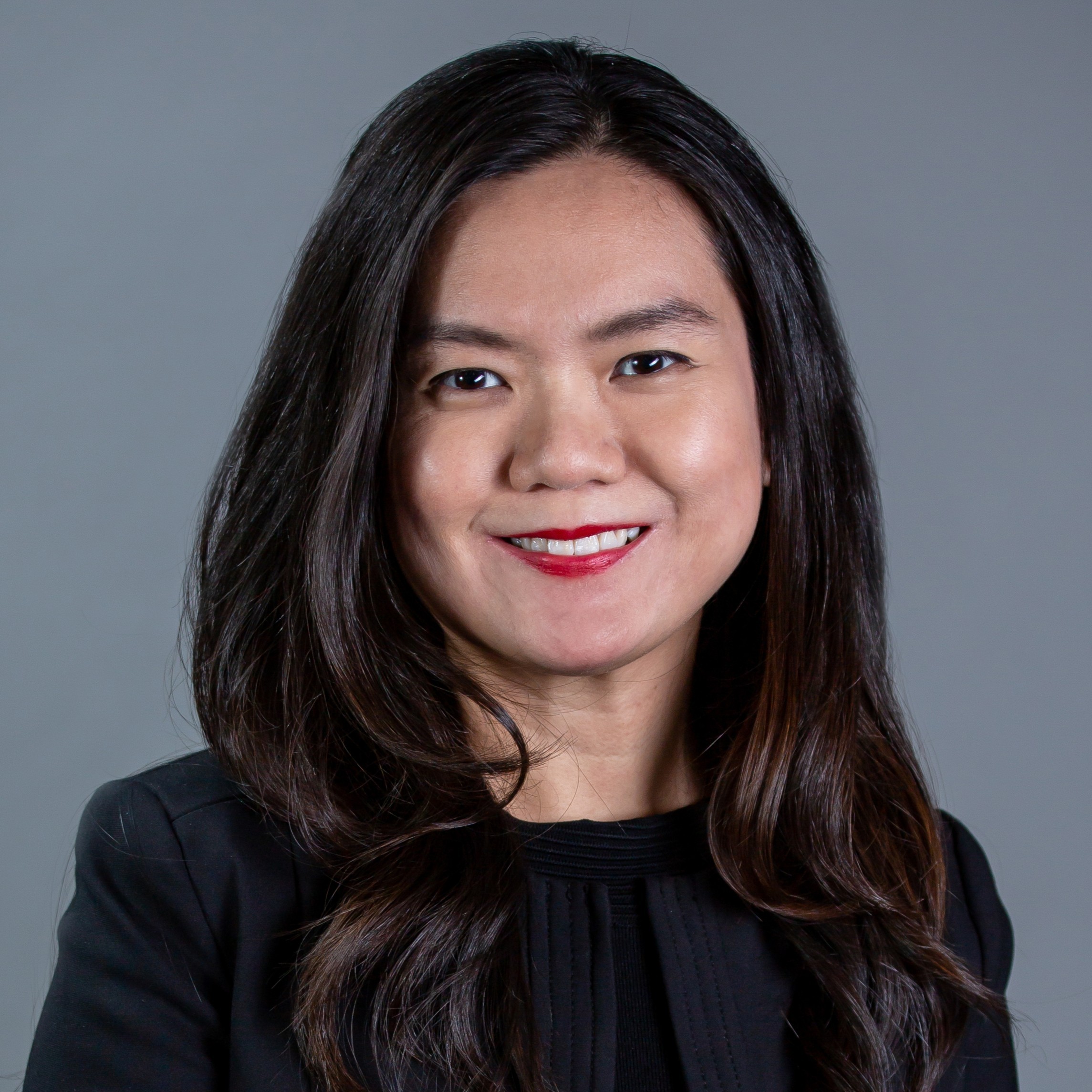 Chee Wi-Lyn is Executive Vice-President of People and Corporate Office and Co-Founder of EdgePoint Infrastructure.