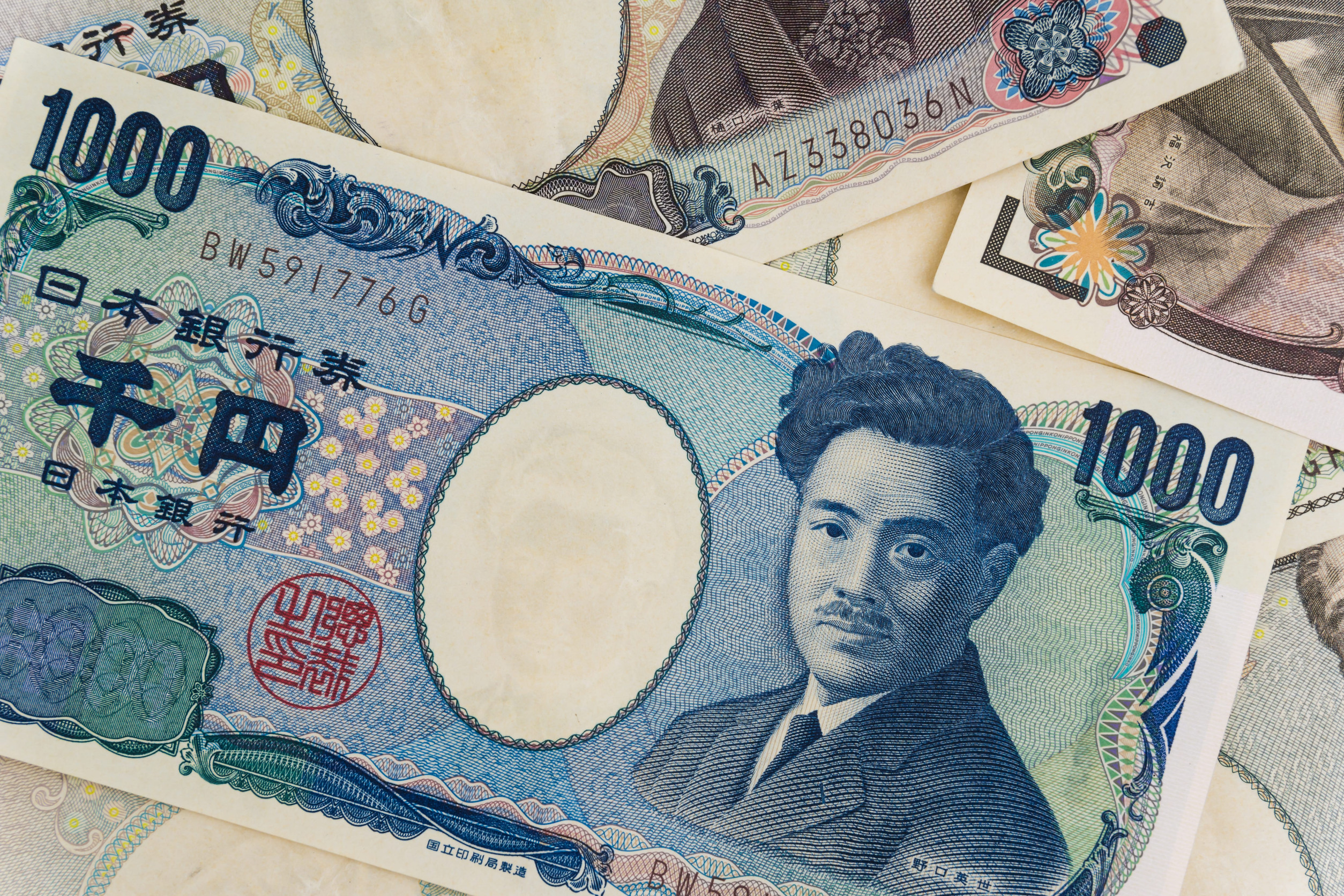
Japan has recorded annual wage increases of more than 5% for a third consecutive year, signalling continued strength in its labour market and reinforcing expectations that rising wages will remain a key feature of the country’s economic recovery.
According to the final results of this year’s annual wage negotiations released by Japan’s largest labour union federation, employees at 5,368 affiliated organisations secured an average wage increase of 5.01%. While slightly below last year’s 5.25% increase, the outcome met the federation’s 5% target for the third consecutive year – the first time such a streak has been achieved since 1989 to 1991.
The results were described by government officials as another important step towards making sustained wage growth the norm across Japan’s workforce.
The federation, which represents approximately seven million employees or about 10% of Japan’s labour force, noted that the final figure typically moderates from its initial estimate as more small and medium-sized enterprises (SMEs) complete negotiations later in the bargaining cycle.
Beyond overall salary increases, employees secured an average base-pay increase of 3.5%, exceeding the federation’s target of at least 3%. The figure also aligned with economists’ expectations, reflecting continued employer willingness to raise fixed salaries despite ongoing economic uncertainty.
For HR leaders, the latest wage settlements highlight the growing importance of competitive compensation in attracting and retaining talent amid persistent labour shortages. Strong corporate earnings and a tightening labour market have continued to place upward pressure on wages, encouraging organisations to invest more heavily in employee remuneration.
However, the results also reveal disparities between large organisations and smaller employers. Unions representing organisations with fewer than 300 employees recorded an average wage increase of 4.69%, with base-pay increases averaging 3.51%.
READ MORE: Climate leadership drives higher growth as Japan sets the global pace
Many SMEs faced greater challenges during this year’s negotiations as they contended with rising operating costs, supply chain disruptions, inflation driven by the weak yen, and higher borrowing costs following recent interest rate increases. Unlike larger organisations, which typically conclude wage negotiations earlier in the year, many small businesses finalised agreements after these economic pressures had intensified.
While higher wages are expected to support Japan’s economic growth and strengthen employee spending power, employers continue to face the challenge of balancing rising labour costs with broader inflationary pressures. Organisations may seek to offset increased payroll expenses through higher prices, potentially limiting improvements in employees’ real purchasing power over time.
Meanwhile, the Japanese government has reaffirmed its commitment to raising living standards through higher minimum wages. Under its draft growth strategy released last month, the administration pledged to increase the nationwide average minimum wage to 1,500 yen per hour by the first half of the 2030s, extending the timeline set by the previous administration, reported Bloomberg.