
The skills that built engineering careers won’t build its future leaders
- Josephine Tan
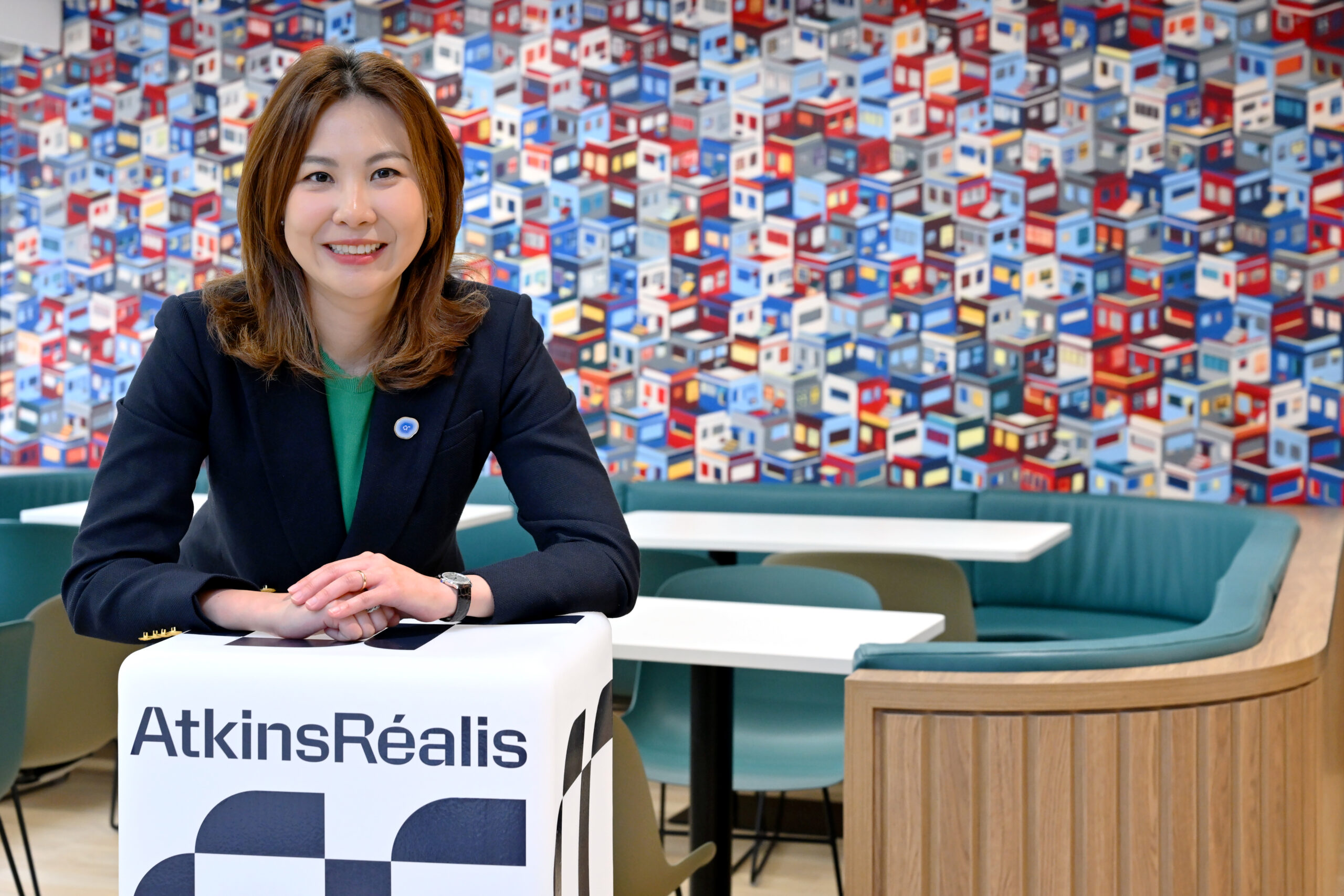
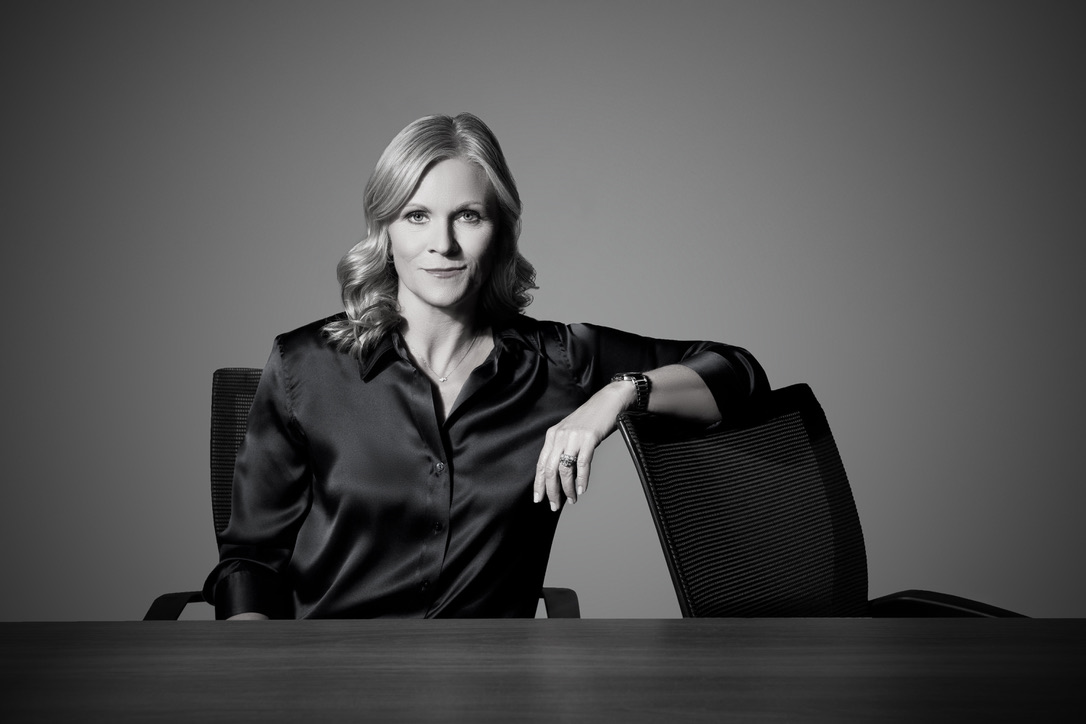
“As work becomes more multidisciplinary and workforce expectations evolve, the next generation of leaders will be defined by their ability to lead, navigate uncertainty, and harness emerging technologies such as AI – turning Industry 4.0 into opportunity.” – Cindy Chiu, Human Resources Director, Asia, AtkinsRéalis
Engineering employers across Asia are contending with several pressures at once – demographic shifts, AI, evolving employee expectations and persistent skills shortages. For organisations working to deliver Hong Kong’s infrastructure pipeline, building a workforce that can keep pace has become as much a leadership and culture question as a technical one.
In the second part of HRM Asia’s conversation with Cindy Chiu, Human Resources Director, Asia at AtkinsRéalis, she turns to the people side of that challenge: the qualities that will define the next generation of engineering leaders, and what will separate the organisations that build a future-ready workforce from those that struggle to compete for talent over the coming decade.
As work becomes more multidisciplinary and workforce expectations evolve, what qualities will define the next generation of successful leaders, and are organisations developing those capabilities quickly enough?
Cindy Chiu: Across industries, not only in engineering, leadership has generally been anchored in technical expertise and years of experience. While these remain important, they are now complemented by a broader set of capabilities.
As work becomes more multidisciplinary and workforce expectations evolve, the next generation of leaders will be defined by their ability to lead, navigate uncertainty, and harness emerging technologies such as AI – turning Industry 4.0 into opportunity.
From an HR perspective, there is a growing need for leaders who can navigate complexity, collaborate across disciplines, and bring together diverse perspectives to solve interconnected challenges. Skills such as adaptability, emotional intelligence, and systems thinking are becoming increasingly critical alongside technical capability.
Equally important is inclusive leadership. Leaders today play a key role in fostering psychological safety, building a sense of belonging, and empowering their teams to contribute and grow. These qualities help unlock innovation, strengthen engagement, and enable diverse talent to thrive.
At AtkinsRéalis, we build these capabilities through a structured leadership pipeline. Our Manager Essentials Programme (MEP) supports managers as they transition into and grow within people leadership roles. It focuses on practical, high-impact skills such as emotional intelligence, leading hybrid teams, managing conflict, coaching, and fostering a culture where everyone belongs.
Our Senior Leadership Development Programme (SLDP) provides an immersive, business-driven learning journey aligned to our strategic priorities for senior leaders. The programme combines 360-degree assessments, executive coaching, and business simulations, enabling leaders to strengthen their strategic mindset, lead through complexity, and make decisions that balance performance with long-term capability. It also creates valuable opportunities for peer learning, self-reflection, and building networks across functions and regions.
We are committed to strengthening leadership capability at every level, ensuring our leaders are future-ready – bringing together technical expertise, people leadership, adaptability, and a strong sense of purpose.
Across industries, organisations are grappling with demographic shifts, AI, changing employee expectations, and skills shortages simultaneously. From your perspective, what will separate organisations that successfully build a future-ready workforce from those that struggle to compete for talent over the next decade?
Chiu: Organisations that will successfully build a future-ready workforce are those that recognise this as a moment of transformation – one in which talent, technology, and evolving skills are integrated.
The World Economic Forum’s Reskilling Revolution highlights how rapidly roles are evolving, with significant job transformation expected by 2030 as AI, the green transition, and demographic shifts reshape industries. This reinforces the importance of continuously developing skills and capabilities to sustain growth and innovation.
There are four factors that will differentiate leading organisations:
First, embedding a culture of continuous learning and skills development. Forward-looking organisations integrate reskilling and upskilling into their core strategy, enabling employees to build both technical capabilities – such as AI and digital literacy – and human skills like adaptability, creativity, and collaboration.
Second, adopting a more skills-based and inclusive approach to talent. There is a growing focus on creating flexible career pathways and strengthening connections between education and employment. Collaboration across businesses, educators, and communities plays an important role in broadening access to opportunities and building diverse, future-ready talent pipelines.
Third, putting people first by elevating employee experience. Organisations that prioritise employee experience through meaningful work, growth opportunities, wellbeing, and flexibility create environments where individuals feel valued, engaged, and motivated to contribute. This people-first approach enhances retention, productivity, and innovation, especially in times of rapid change.
Fourth, fostering a culture where people can grow and thrive. As technology continues to advance, organisations that encourage learning, inclusion, and collaboration are well-positioned to unlock the full potential of their workforce. Human-centric skills such as resilience, curiosity, and leadership remain essential complements to technical expertise.
At AtkinsRéalis, we address this by taking an integrated, people-first approach to workforce development.
Through our Skills to Thrive in a Tech-Driven Future Programme, we provide curated learning opportunities in technology, leadership, and business. It enables our employees to build confidence in data and AI and strengthen their creativity, critical thinking, and leadership capabilities. This creates a clear and accessible pathway for continuous learning and adaptability.
READ MORE: More women are being recruited into engineering. So why is progress still slow?
At the same time, our global Employee Value Proposition (EVP) defines the experience we offer as an employer. Grounded in robust employee insights, it reflects why people choose to join and grow with us. Built around five pillars – Purposeful Impact, Global Community, Transformative Capabilities, Careers Without Boundaries, and Thriving Together – it ensures a consistent, people-first experience that supports engagement, growth, and belonging.
Together, these efforts are underpinned by continuous investment in our people and enable our workforce to be future-ready.