The design was the easy part: UOB’s Dean Tong on making workforce change stick
- Josephine Tan
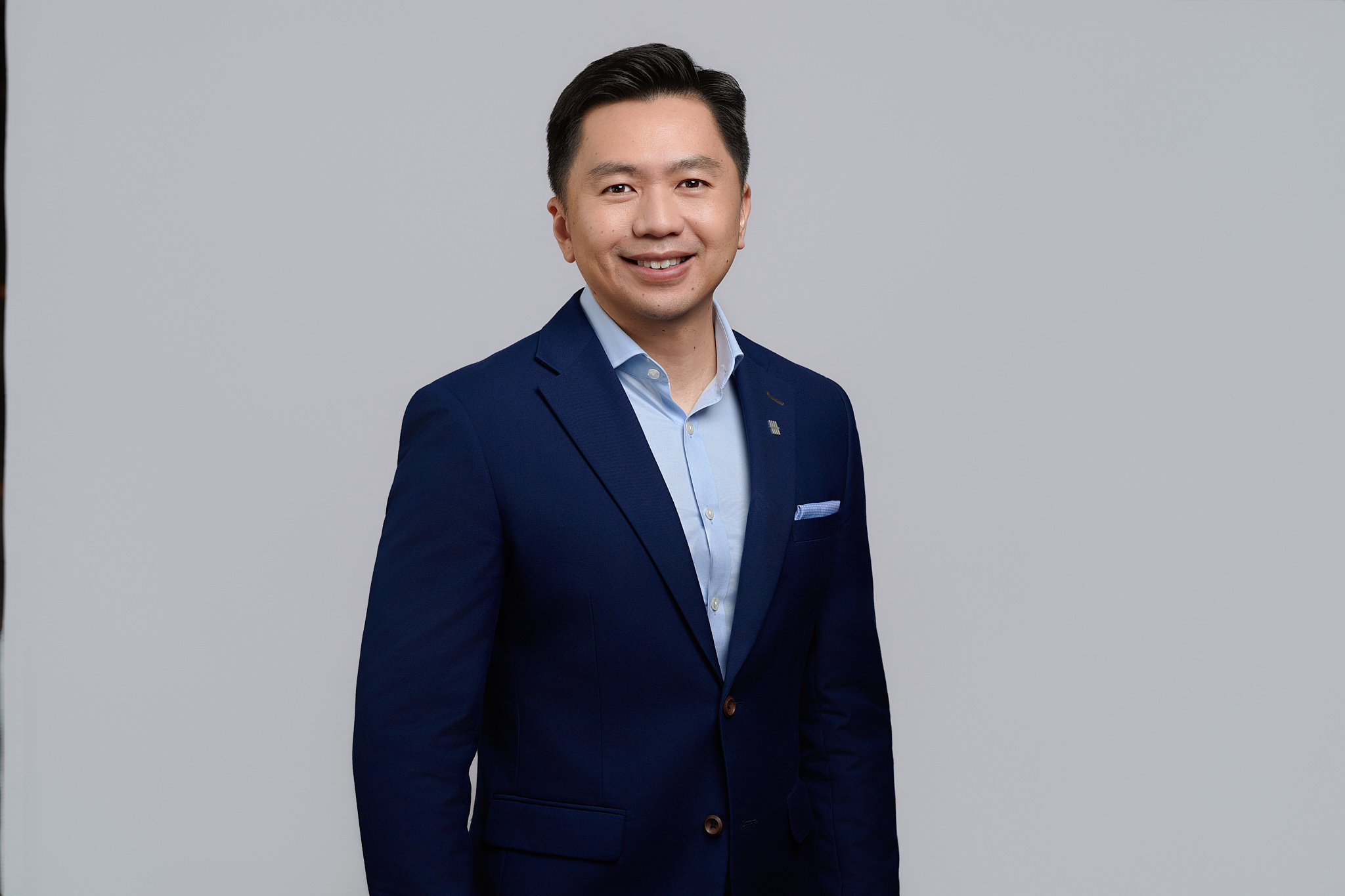
Dean Tong, Head of Group Human Resources at UOB, says reskilling works best when learning is closely connected to the work itself.
For much of his career, Dean Tong’s job was to help organisations work out what needed to change. Since moving inside UOB as Head of Group Human Resources, the job has been making sure that change actually happens, and the gap between the two turned out to be wider than it looked from the outside.
“As a consultant, you spend a lot of time helping organisations shape strategy and design solutions,” he tells HRM Asia. “But once you are inside an organisation, you realise that design is only part of the equation. The bigger challenge is helping people adopt new ways of working, embrace changes in culture or processes, and navigate uncertainty along the way.”
Reskilling is a case in point. Most organisations now treat it as a priority, yet training someone and moving them into different work are two separate achievements, and plenty of programmes manage only the first. In Tong’s experience, reskilling works best when the learning sits close to the work itself.
“Building new skills is important, but people also need the opportunity to apply those skills, gain experience and build confidence in a new environment,” he says.
That has led UOB to reverse a familiar sequence. The bank increasingly follows what Tong describes as a “place and train” approach in place of “train and place”. Instead of waiting until an employee has acquired every skill a new role requires, it identifies where the business has demand and supports people as they learn on the job.
“Formal training remains important, but practical experience often plays an equally important role in helping people make a successful transition,” he says.
The bank’s Better U Pivot programme is built around this idea. Employees whose roles are evolving move into roles where there is a business need, then learn through a combination of on-the-job experience, personalised development plans, coaching and structured training. The pay-off, as Tong sees it, goes beyond technical knowledge. “When people can build skills while doing the job, they gain not only knowledge, but also the confidence and experience needed to succeed in a new role.”
Even so, he does not see the learning itself as the deciding factor.
“These transitions are rarely driven by training alone,” he says. “In many ways, it takes a village to make reskilling successful. Employees need the courage to step into something new, managers need to champion and support them, receiving teams need to be prepared to invest in potential, and learning teams need to provide the right development opportunities.”
Mobility, in his words, happens “when the organisation comes together to help people succeed and when learning is connected to opportunity.”
Productivity that holds up
A similar concern with what lasts shapes his view of productivity; now the word carries much of the expectation that organisations grow without adding cost or headcount. Tong acknowledges its importance but cautions against judging it by short-term output alone.
“If people are consistently working longer hours, carrying unsustainable workloads or spending most of their time in meetings, you may see results for a period of time, but eventually it comes at a cost to engagement, wellbeing and performance,” he says.
The difficulty for leaders is timing. The damage tends to surface well after the decisions that caused it. “By the time attrition rises or burnout becomes visible, the organisation may already be paying the price,” Tong says. For that reason, UOB pays close attention to indicators such as employee feedback and how people experience work day to day.
What he considers sustainable comes from a different place altogether: helping people focus on the work that matters most, and clearing away whatever gets in the way. That might mean simpler processes, better tools, less manual work or stronger collaboration between teams. Technology is taking on a growing share of that role, automating routine tasks and streamlining workflows so that employees have more time for higher-value activities.
“The goal is not simply to ask people to do more, but to enable them to work more effectively,” he says.
The distinction he draws is between effort and enablement. “Productivity gains that come mainly from people working harder are unlikely to last. If they come from helping people work smarter through better skills, technology, tools and processes, they are far more sustainable,” he says. “The most effective productivity improvements create value for both the organisation and employees, rather than requiring a trade-off between the two.”
Where judgement gets built
Handing routine work to technology raises a harder question. Entry-level and repetitive tasks have long been where people quietly built judgement, often without anyone designing it that way. Tong believes organisations may now need to be more intentional about how that development happens.
Generative AI (GenAI) sharpens the issue.
“While these tools can significantly enhance productivity, there is also a risk of cognitive offloading if people become overly reliant on technology for answers,” he says.
So even as UOB invests in AI and GenAI capabilities, problem-solving remains a foundational skill in its Better U programme. “Employees still need to frame the problem, challenge assumptions, interpret outputs and make decisions,” Tong says. “Technology can support decision-making, but it should not replace critical thinking.”
What changes, in his view, is the route to experience, not the need for it. People still develop judgement by facing real situations, making decisions and learning from how things turn out. That makes stretch assignments, cross-functional projects, mentoring and on-the-job learning more important than before.
“While the way experience is gained may change, the need for experience remains unchanged,” he says.
His years on the inside have also shifted how he thinks about what makes a team work, and it loops back to the point about execution. “Not everyone has to be the person driving the next big idea,” he says. “You also need people who bring deep expertise, provide stability, execute consistently and help turn ideas into reality.”
The strongest teams he has seen are not built from one type of person. They bring together people with different strengths who trust one another and work well together, and the leader’s task is to create an environment where those strengths complement each other.
The same kind of shift is visible in HR itself. As technology streamlines much of the function’s administrative work, Tong sees organisations increasingly looking to HR to drive business outcomes, whether by attracting and retaining talent, building critical capabilities, shaping culture, or supporting transformation.
“When done well, HR is not just supporting the business; it can become a genuine source of competitive advantage,” he concludes. “The conversation today is less about HR processes and more about how we help organisations build the workforce, leadership and capabilities needed to succeed in a rapidly changing environment.”
How organisations balance growth with lean workforce strategies, and how they build workforces ready for what comes next, will be explored at HRM Asia’s CHRO Series Singapore on 6 October 2026. Dr Bryan Lim, Managing Director and Head of Group Talent and Development at UOB, joins the CXO Think Tank Singapore Inc. Rewired: The CEO, CFO and CHRO Playbook for Sustainable Growth. The session looks at driving productivity and innovation as Singapore competes for global talent and regional leadership, and at planning for multi-generational, hybrid and highly skilled talent pools.
To find out more, visit https://chroseries.com/country/singapore/.