
In most organisations, AI is no longer an experiment; it’s an expectation. The harder question is what all that activity is actually producing.
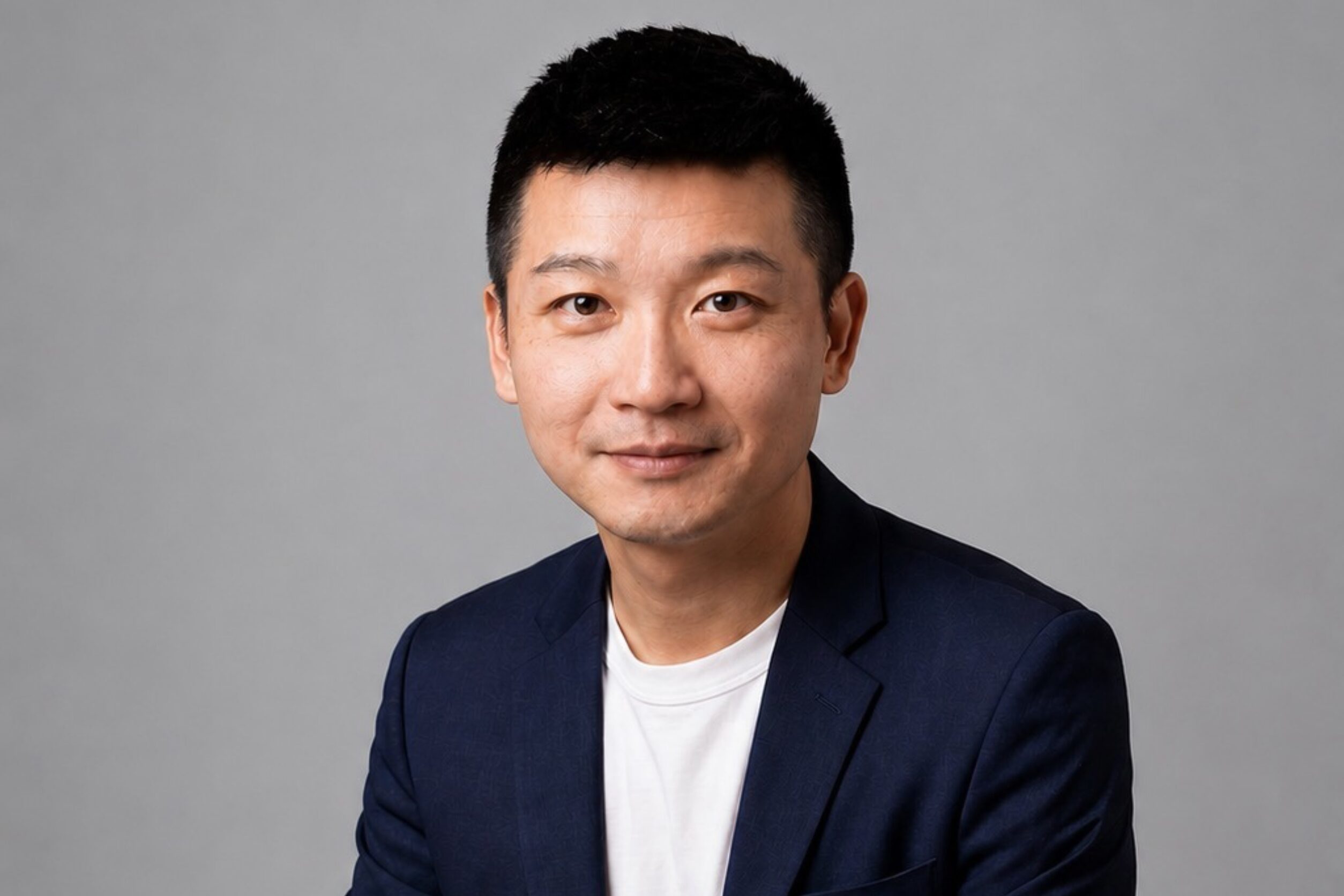
For Adhika Widya Sena, People and Organisation Director at Novo Indonesia, the answer rests on two things that are often discussed separately: whether individuals can make their own work genuinely more productive, and whether the organisation around them is ready for it. The potential, he tells HRM Asia, is not in doubt. What decides the outcome is what happens to the time AI frees up.
“Enterprise-wide productivity emerges when organisations redesign workflows and redirect the capacity created towards higher-value or more strategic work,” he says.

That distinction helps explain why so much AI activity stops at the pilot stage. Organisations that move past it, in Adhika’s experience, share three characteristics. They start with a clear business outcome – at Novo Indonesia, that means improving consumer and patient experience, increasing field force effectiveness, strengthening compliance, reducing process cycle time and improving the quality of decision-making. They also have “leaders who create the appetite to experiment, learn quickly and change how work is done”. And they do the unglamorous preparatory work: data, governance, capability, adoption support and clear accountability sitting with the business.
From an HR perspective, he says organisational readiness is central. “HR needs to partner with leaders to prepare employees and managers for an upgrade in roles, skills and ways of working, while maintaining trust throughout the transition. AI delivers sustainable productivity when it becomes part of the operating model and people are equipped and confident to work with it.”
The capability underneath the technology
Asked where the most consequential skills gaps in the Indonesian workforce lie, Adhika points to what he calls applied digital capability: “the ability to use AI, data and digital tools to solve real business problems, improve decisions and create better outcomes for employees and consumers.”
Crucially, he does not see this as a technology function’s problem. “This is no longer limited to digital or technology teams,” he says. “Employees across functions need stronger technological literacy, analytical thinking, problem-solving and the confidence to experiment responsibly within their roles.”
At Novo Indonesia, that has translated into country-wide AI training sessions, AI-focused behaviour workshops, and digital workplace and global learning offerings open to employees. Adhika describes digitalisation there as an ongoing process of learning, experimentation and practical application – with the emphasis on application. The capabilities being built are meant to be used with the consumer at the centre of the work, he says, helping the organisation better understand consumer and patient needs, simplify access to information and services, and strengthen stakeholder engagement.
More broadly, he sees HR leaders in Indonesia responding with role-targeted development: foundational digital literacy across the wider workforce, applied learning for specific functions, and advanced development for specialist positions. Formal training is increasingly being paired with real business projects, coaching, internal mobility, and partnerships with universities and vocational institutions.
Who owns the workforce value argument
How that investment gets argued for internally is a separate battle, and one HR has been fighting for years. Shifting the workforce from a cost to be managed to a source of value, Adhika says, requires changing both the language and the evidence used in business discussions. “If people costs are only discussed through headcount, payroll and efficiency metrics, the organisation will naturally manage the workforce as an expense.”
The conversation becomes more strategic, he suggests, when leaders connect workforce investment to outcomes the business already cares about – productivity, innovation, quality customer experience, risk management, leadership continuity and organisational resilience. Technology helps by simplifying transactional work and improving decision-making, but he was clear about where the return ultimately comes from.
READ MORE: Finishing the training isn’t the same as changing how you work
“The real exponential value still comes from people: their judgement, empathy, creativity, coaching, collaboration, change leadership and ability to solve complex problems,” he says. “When digital tools remove friction and create capacity, people can focus more of their time on the moments that shape trust, performance, culture and customer impact.”
“This agenda cannot sit with HR alone,” he adds. The CEO and executive committee need to define the workforce ambition; finance has to help build the business case and measure value beyond short-term cost reduction; technology and digital leaders need to redesign processes and systems; business leaders and line managers need to turn it into day-to-day priorities. “HR’s role is to bring these perspectives together and ensure the organisation is not simply reducing work but redesigning how work is done to unlock greater human value.”
From HR transformation to business transformation
Looking to the coming year, Adhika expects the CHRO agenda in Indonesia to become more explicitly about business and organisational transformation, and less about HR transformation alone. AI and digitalisation will remain central, but the live question will be how organisations redesign roles, skills, leadership and employee experience around them. “The CHRO agenda will therefore move from implementing HR technology to shaping the human operating model around technology.”
As integrated platforms, automation, analytics, and self-service absorb transactional activity, he expects HR teams and managers to spend more time on strategic workforce planning, skills development, leadership effectiveness, culture, engagement, and resilience. CHROs in Indonesia will also need to keep a close eye on organisational readiness, with global pressures, shifting market dynamics, capability gaps and changing employee expectations all landing at once.
Much of this, he says, tracks with what is happening elsewhere in the region. “Across South-East Asia, HR leaders are moving from being process owners to becoming architects of workforce value.” The common direction, as he put it, runs from learning to capability, and from capability to measurable business value.
Adhika Widya Sena will join the panel The Next 12 Months: The CHRO Agenda for Indonesia at CHRO Series Indonesia, taking place from 29 September to 1 October at Park Hyatt Jakarta. To register, click here.