
The apprentice and the veteran: How expertise survives automation

A business support veteran of 27 years and a work-study engineer who went from server checks to building AI agents – two NCS employees on what it takes to work with AI and what it cannot replace.
The Philippines to reskill 1.3 million IT-BPM employees under US$34.4 billion AI infrastructure plan

The national masterplan projects more than 500,000 AI-related jobs by 2033, alongside a 30-fold expansion in the country’s AI data centre capacity.
Singapore to share enhanced childcare leave details in early 2027

The government is studying ways to help employers cover employees on leave and is considering an accreditation mark for work-life-friendly workplaces, as Minister Indranee Rajah says caregiving leave should become part of normal HR policy.
Where do senior cyber professionals come from when the junior jobs disappear?

AI is absorbing the junior work that senior cybersecurity professionals once learned on. Fortinet’s Jess Ng on what that means for the talent pipeline and for retention.
Indonesia targets up to 3.5 million jobs in 2027, but businesses warn of hurdles

Indonesia’s ambitious 2027 jobs target faces hurdles as businesses call for investment, industrial growth and reforms to create quality employment.
Workplace wellbeing: The awareness gap has closed. The execution gap persists

Although the data shows that workplace wellbeing has become an accepted business priority, organisations struggle to translate it into measurable outcomes.
What raising a child taught a CEO about leading
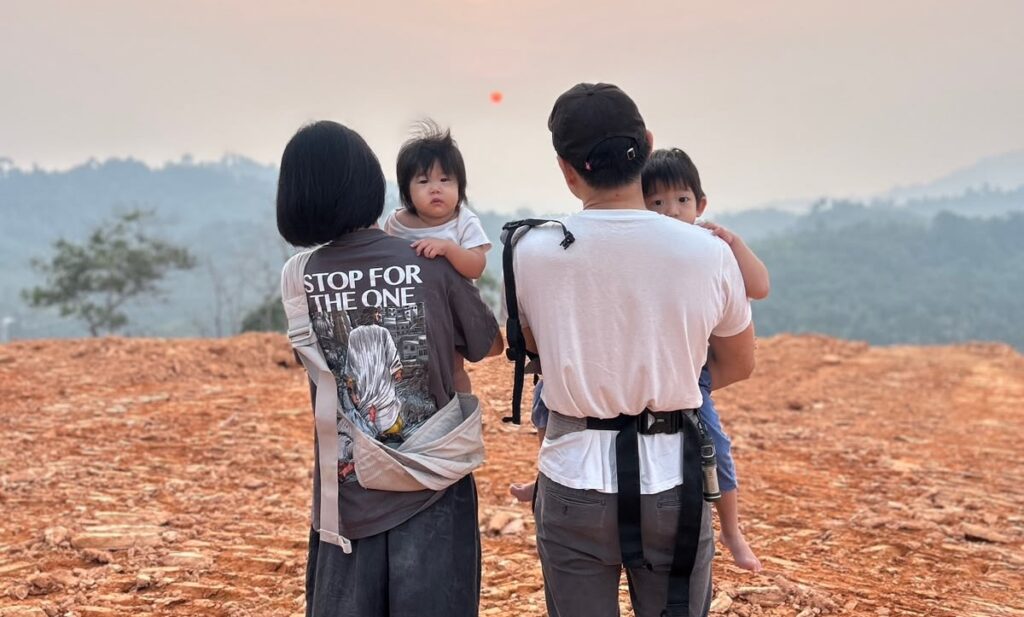
Being physically present with his newborn son did not make Dr Xander Ong a more confident father—taking sole responsibility did. The Centre for Fathering CEO on why that shift from helping to owning shapes stronger leaders, and why parental leave belongs in the conversation about talent.
Employers in Singapore take more selective approach to hiring in Q4 2026

Singapore’s hiring outlook remains subdued as employers take a more selective approach to headcount while grappling with persistent skills gaps.
The 15-year hire: What Abbott’s STEM pipeline tells HR about closing the gender gap
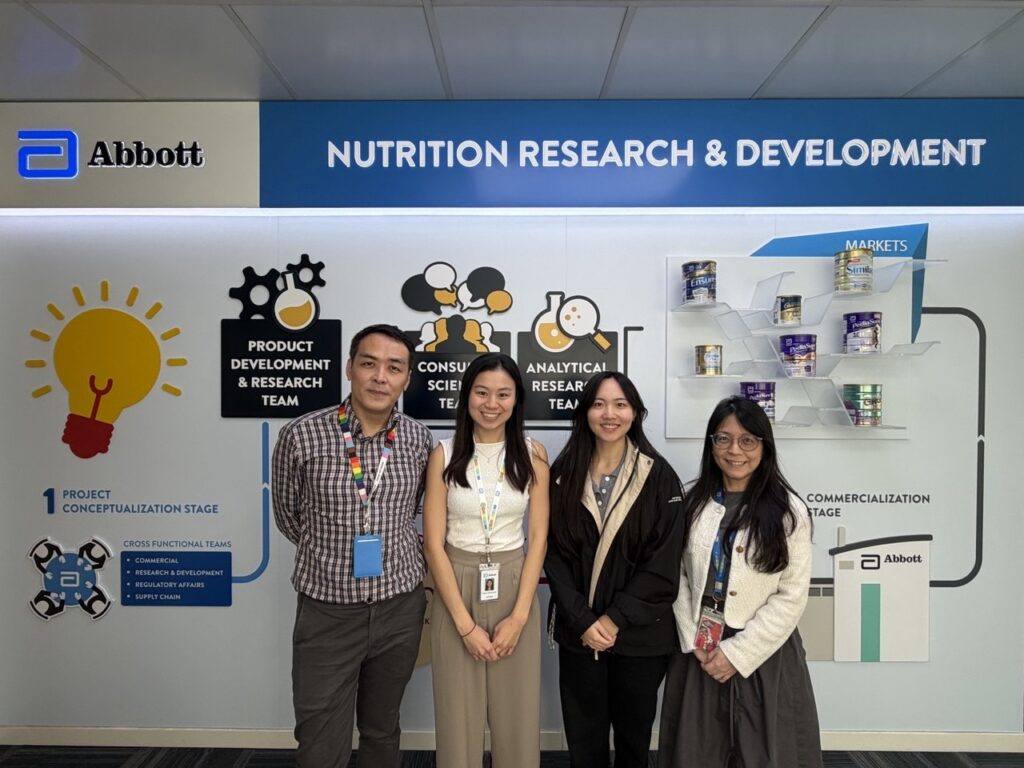
Singapore wants more women in STEM. One organisation’s talent strategy suggests the fix starts a decade before the job interview – and it is a lesson in early-talent thinking that any HR leader can borrow.
The frontline is HR’s biggest AI blind spot

A lot of AI is built around knowledge employees, but 80% of employees are on the frontline. How do you reach them?
More employers in Singapore set to hold wages flat in 2027

Business prospects look steadier for 2027, but rising manpower costs are keeping employers cautious on pay – and the improvement is not reaching every sector.
When AI recommends, who stays accountable?

As AI takes on a growing share of hiring, performance, and promotion decisions, Rita Tsui, Founder of AsiaHRM, argues that the harder governance questions are not about policy at all, but about judgement, accountability, and the behaviour of the people making the call.
Readers’ Choice Awards 2026: Nominations close on 23 September

Nominations close on 23 September. With 38 categories spanning recruitment, learning, wellness, relocation and accommodation, alongside the 17 technology awards, the list is broader than most organisations assume.
Japan eases overtime guidance amid labour shortages, sparking work-life balance concerns

Japan’s latest workplace reform is placing economic growth against employee wellbeing in a renewed debate over working hours.
Can making tea be a career? CHAGEE and ITE build the ladder
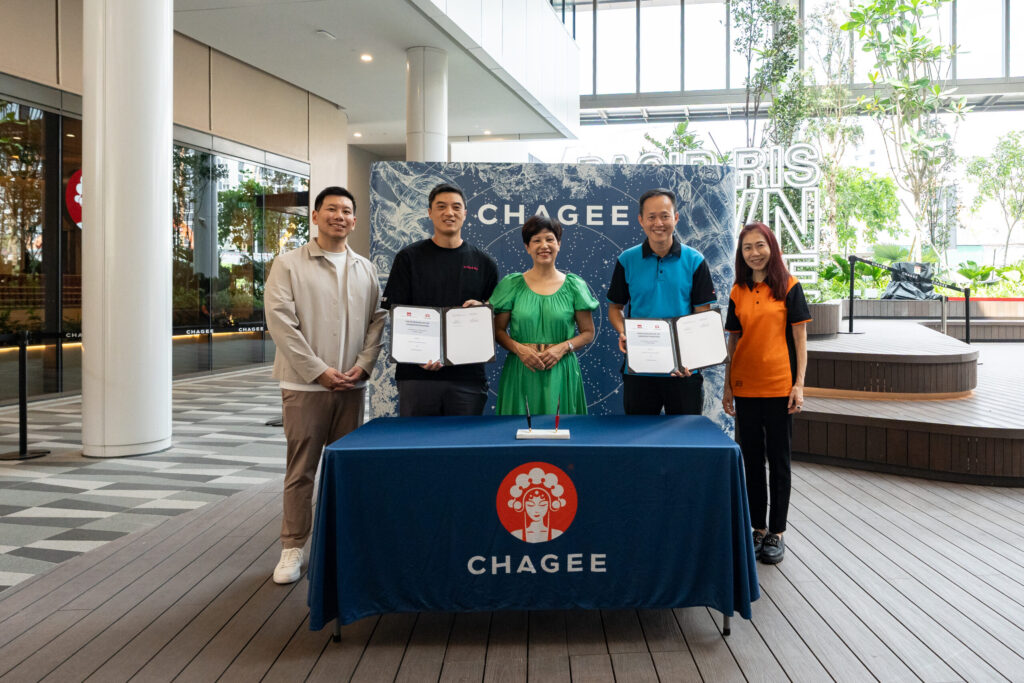
A new CHAGEE-ITE qualification folds tea-beverage skills into a national vocational course and the chain’s own shop-floor training – a bid to turn a high-churn frontline job into a certified profession, and one whose skills, CHAGEE says, a worker keeps wherever they go next.
Three days, two workshops, one question: Who runs the next phase of Vietnam’s growth
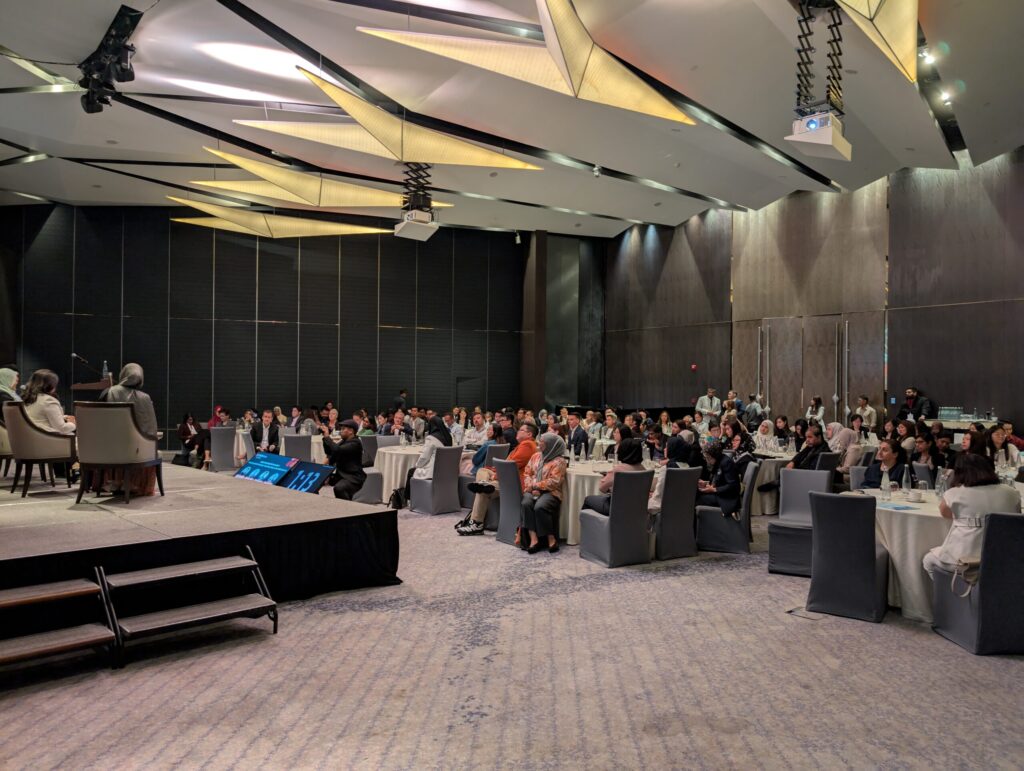
CHRO Series Vietnam runs 9-11 September at Rex Hotel Saigon, with sessions on blue-collar retention, executive localisation, skills-first hiring and the green talent shortage – plus a data protection law that has been live since January.
“You cannot sue an AI”: Why adoption comes down to people, not platforms

Deploying AI is the part most organisations have mastered. Jun Tay, who works for a major bank in Asia, explains what happens after, and why the human shift, not the technology, decides whether adoption sticks.
Indonesia targets October completion for new Manpower Law

Deputy Minister of Manpower Afriansyah Noor says the bill will address outsourcing, wage structure and the scope of labour protection, and that unions will have space to contribute before the deadline.
Remote working is reshaping presenteeism, study finds

New research argues that remote work and always-on digital tools have outgrown the standard definition of presenteeism and proposes eight distinct forms of it.
The workforce risk that doesn’t show up in your engagement survey

Recent data show a shift in the dominant workforce health risk and a more complicated picture of disengagement than the numbers suggest.
Tourism offers jobs, not careers. Mandai Wildlife Group is trying to prove otherwise

Mandai Wildlife Group has put competency-based pay and structured pathways behind frontline roles. Two long-serving employees describe what that has looked like in practice.
Employer groups warn RM3,100 minimum wage could put MSMEs under pressure

The call for a RM3,100 minimum wage has met resistance from employer groups, who warn the move could prove unsustainable for many MSMEs.
Singapore ties childcare leave to the number of children

Childcare Leave and Extended Childcare Leave will be merged into a single scheme scaled to the number of children, with employers reimbursed for the full duration of all child-related leave up to the existing cap.
Should people grow the organisation, or should the organisation grow its people?
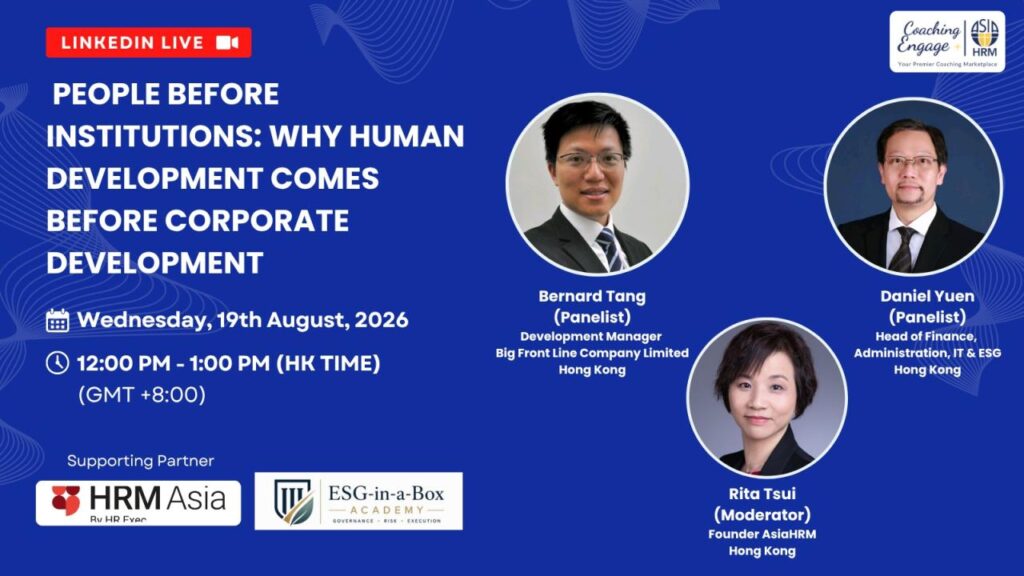
Two Hong Kong practitioners took opposite starting positions on the same budget line – and both conceded that where an organisation sits in its cycle shapes the answer.
Poor sleep could cut nearly nine months from working life after 50

As employers look to retain older employees for longer, new research suggests sleep health could play a role, with severe sleep disturbances linked to a shorter working life after 50.
Employees are navigating AI disruption in the dark

While organisations are diving in full on to adopt AI, employees are a bit slower in taking up the cause, and the result will be telling.
What workplace support for marrow donation looks like in practice

Nearly half of Singaporeans say workplace support shapes whether they would register as a marrow donor. What that support looks like in practice is still being worked out.
Malaysia reviews RM1,700 minimum wage as cost-of-living mount

Malaysia’s review of the RM1,700 minimum wage comes amid calls for wage policy to better reflect the rising cost of living and ensure employees can maintain a decent standard of living.
Ten years of poor health, and the workplace in the middle of it
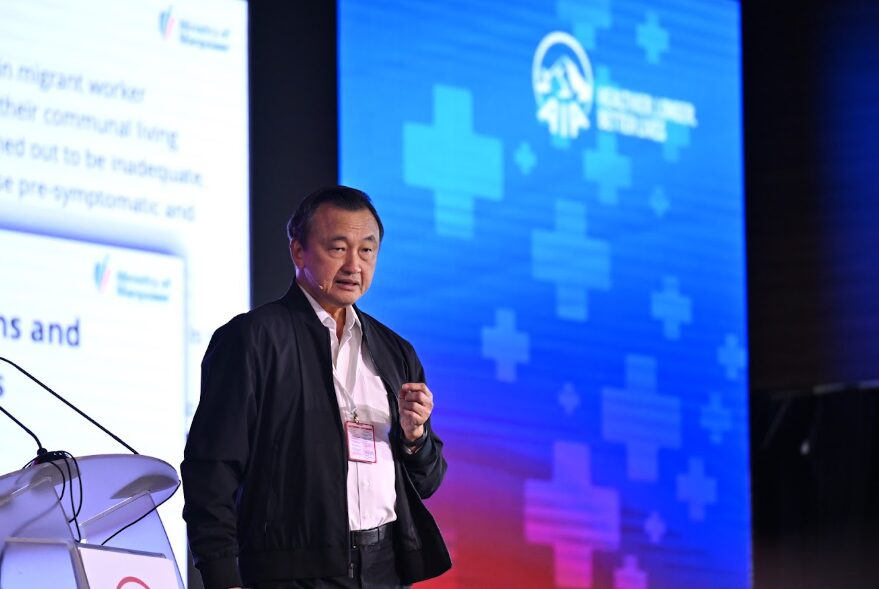
Between a health span ending at 70 and a life expectancy of 80 sits a decade in poor health. At the inaugural AIA Healthcare Summit, the argument was that employers hold more of that decade than they think, and that fragmentation – not funding – is the constraint.
AI adoption isn’t one-size-fits-all. Five strategies to make it work

A recent study suggests that rather than asking how to get people to use AI, employers should ask how groups experience AI differently and tailor their approaches.