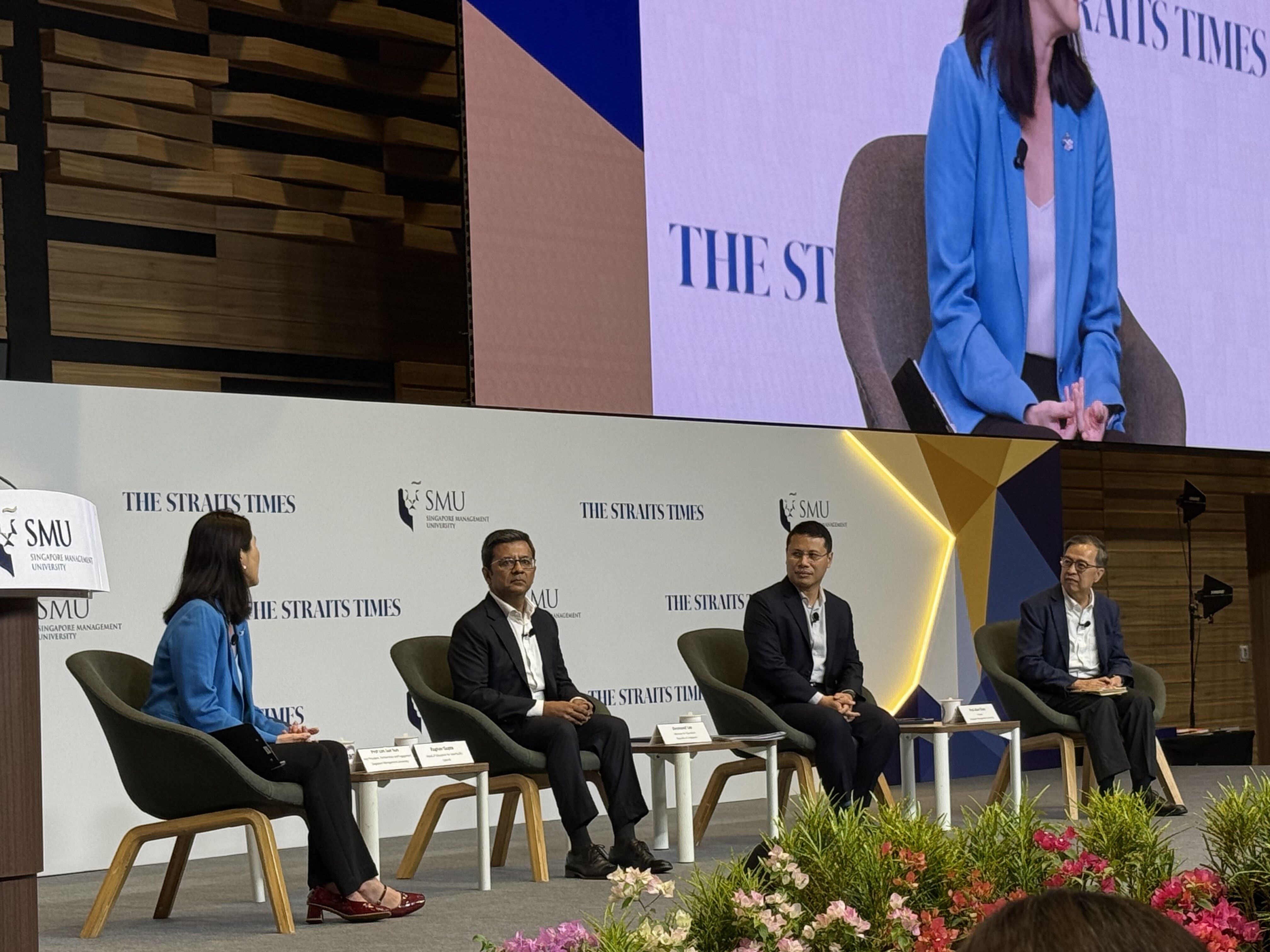
As generative AI (GenAI) evolves from a novelty into a “super assistant,” Singapore is moving aggressively to ensure its workforce remains relevant. At the Straits Times Education Forum 2026, held at the Singapore Management University (SMU) on April 1, leaders from government, academia, and the tech industry articulated a sophisticated vision for the future of human capital. Their core thesis suggests that while AI will inevitably commoditise general productivity, the true premium in the labour market will shift towards deep “vertical” expertise and the uniquely human capacity for high-stakes judgment.
The immediate impact of this shift is already being felt in the sheer acceleration of organisational life. Professor Lim Sun Sun, Vice-President, Partnerships and Engagement and Lee Kong Chian Professor of Communication and Technology, SMU, observed that the integration of AI agents is driving the pace of work that can feel “uncomfortable,” as digital tools allow tasks to continue even when employees are away from their desks.
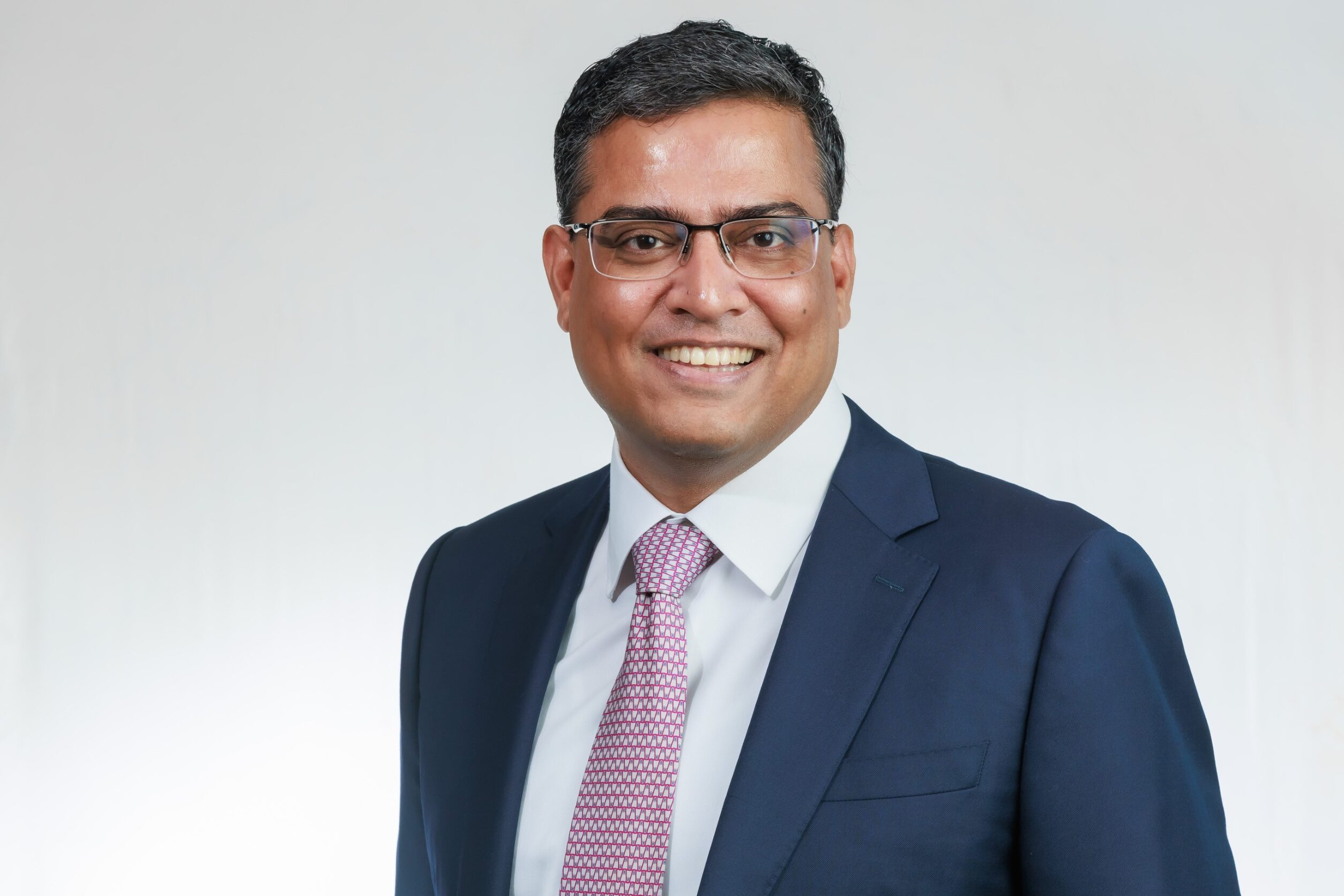
Raghav Gupta, Head of Education for Asia-Pacific at OpenAI, illustrated this evolution by describing how AI has transitioned into a contextual partner capable of managing complex administrative workflows—from processing business cards to drafting nuanced communications—through simple voice commands. However, Gupta noted a significant “diffusion gap,” where personal productivity is soaring while many organisations still struggle to redesign their fundamental business models to capture these gains at a systemic level.
Desmond Lee, Singapore’s Minister for Education, provided a strategic framework for this new era by distinguishing between “horizontal” and “vertical” capabilities. Horizontal capabilities represent the broad, cross-functional tasks such as basic writing, summarisation, and data presentation where AI is already highly proficient. In contrast, vertical capabilities are domain-specific and rooted in deep expertise, requiring the application of knowledge in complex, real-world contexts where accountability and experience are paramount. Lee argued that the most effective users of AI will not be generalists, but those with the deepest foundational knowledge, as they possess the “deep instinct” required to ask better questions and critically audit machine-generated outputs.
READ MORE: Singapore’s workforce outpaces hiring systems as employees redefine stability and skills
To institutionalise this readiness, the Ministry of Education has implemented the “4Learns” framework, a pedagogical blueprint designed to move students from passive users to masters of technology. This approach emphasises learning “about” AI’s mechanics, “how” to use tools responsibly, “with” AI to enhance learning outcomes, and, crucially, “beyond” AI to nurture the human capabilities that machines cannot replicate. By focusing on “learning beyond AI,” the system aims to reinforce the human element—specifically the ability to evaluate and take responsibility for automated outputs in a world of instant transformation.
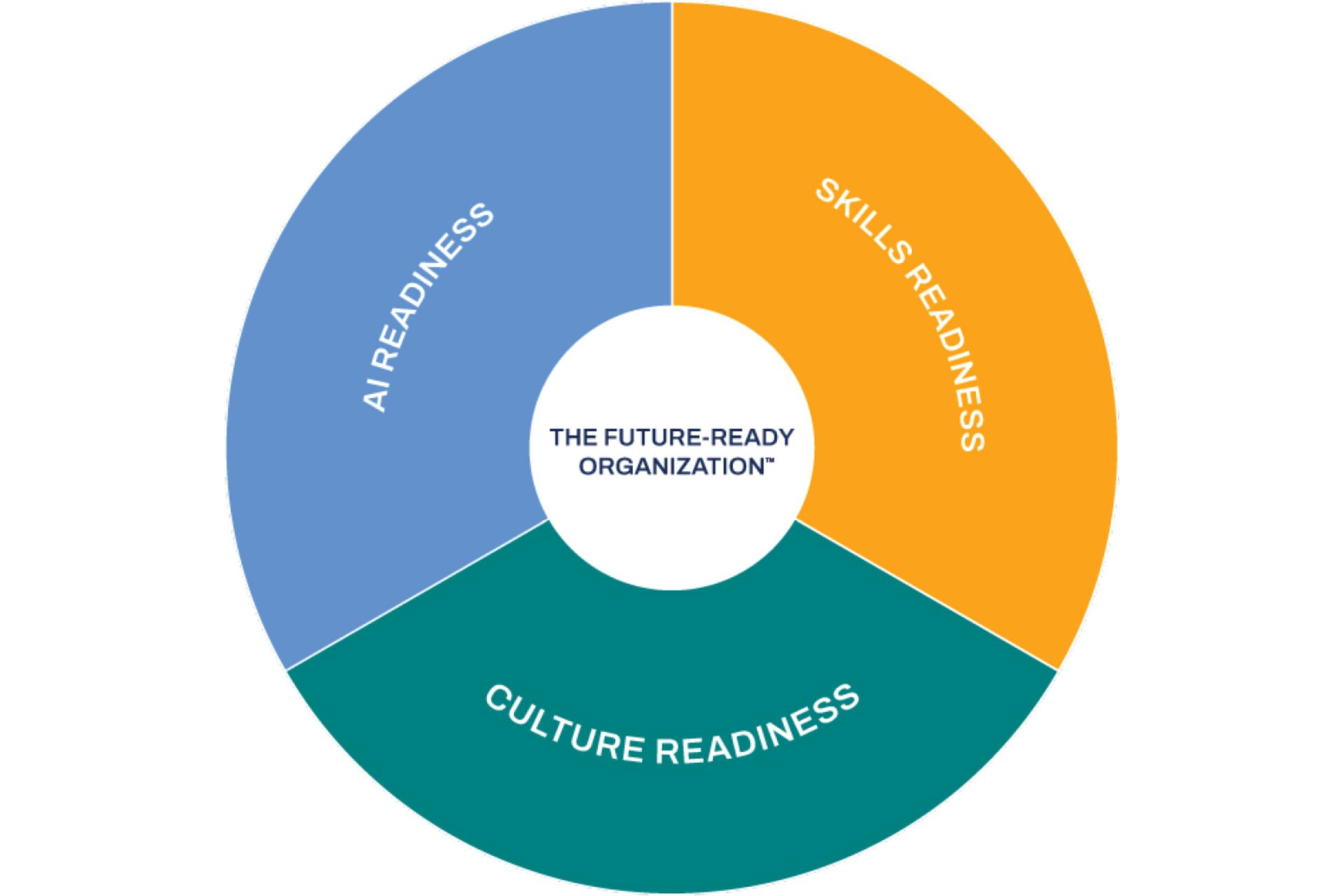
This educational transformation is matched by a structural commitment to lifelong learning for the existing workforce. Lee announced the formation of a new Committee for AI in Higher Education to provide strategic oversight and share best practices across Singapore’s universities and polytechnics. For professionals already in the field, the government is lowering the barriers to upskilling through significant alumni discounts on AI-related courses and the launch of a self-diagnostic tool to help employees map their own “AI readiness.”
Ultimately, the forum suggested that the most valuable skill in an AI-pervasive economy is a shift from problem-solving to “problem-facing.” As OpenAI’s Gupta noted, while AI can solve a problem once it is defined, humans must retain the agency to decide what a society or a business truly needs. SMU Provost Alan Chan reinforced this by noting that human-centric capabilities—such as empathy, cross-cultural understanding, and ethical judgment—remain the only viable path to a harmonious and functional society. Lee concluded with a call for action, suggesting that AI should be viewed not as a shortcut to bypass thinking, but as a catalyst to sharpen the intellectual qualities that make human labour indispensable.