
The broken rung: Why Thailand’s boardrooms are missing half their talent
- Josephine Tan
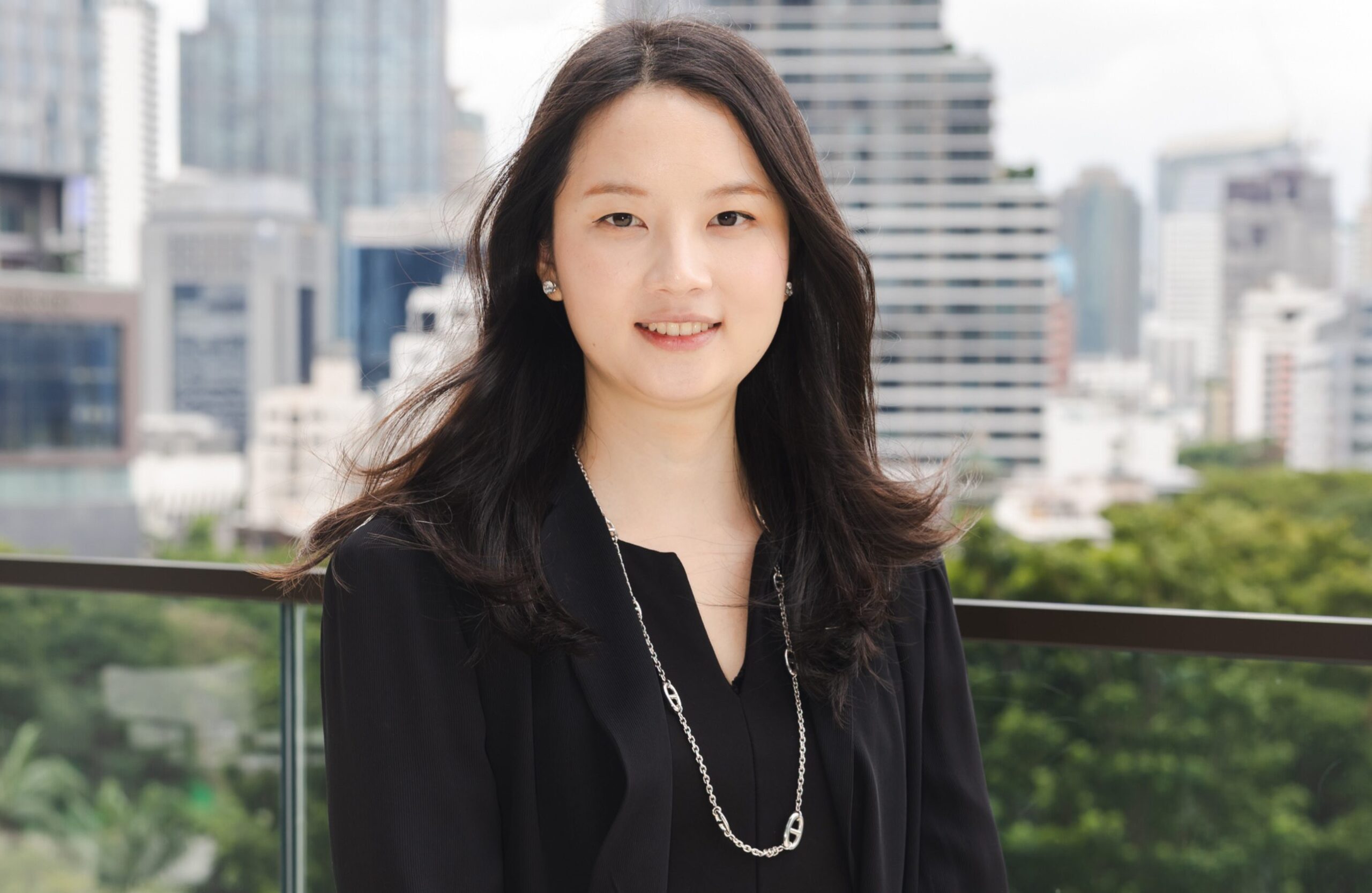
“Cross-industry mentorship breaks many stereotypes, subtle or not. It brings together many successful women who have shown, in their own way, what it means to carve their own careers and lives.” – Leona Manoonpong, Principal at Kearney and Coordinating Lead for IGNITE Thailand
Thailand’s economy is transforming at pace – digitalisation, shifting trade networks, and a push up the value chain are reshaping entire industries. Yet inside the country’s boardrooms, one number has barely moved: women hold just 19% of board seats. According to research by Kearney and Egon Zehnder, this stagnation is not a pipeline problem at the entry level. It is a structural breakdown that occurs somewhere in the middle, when high-performing women hit an invisible wall on their path from management to senior leadership.
For Leona Manoonpong, Principal at Kearney and Coordinating Lead for IGNITE Thailand – the organisation’s leadership platform designed to accelerate professional women – the pattern is deeply personal. She tells HRM Asia, “In the early stages of my career, I did not encounter barriers as a woman. I was able to fully prioritise work, even volunteering quarantine during Covid to deliver an overseas project.”
That changed. As family commitments grew, the ability to put career first became harder to sustain. It is a shift that Manoonpong describes not merely as a personal reckoning, but as a reflection of something structural: “Women are often socially conditioned to subconsciously take on more such responsibilities, which can hinder career progression.” The pressure, she notes, does not always come from the workplace. “While my mother had always hammered in the ‘work as hard as you can when you’re starting out’ mentality, it very quickly pivoted to ‘start a family and work less’ within less than 10 years of my career. Such unspoken expectations can be difficult and stressful for any female professional.”
When the system works against you
Thailand’s traditional corporate hierarchies – built on relationship networks, sponsorship, tenure, and visibility – create conditions where subtle disadvantages compound. Unconscious biases, like women speaking up less when outnumbered, become more pronounced at exactly the levels where women are already underrepresented.
“Many such small unconscious biases snowball, impacting women in their professional journey,” says Manoonpong. The corrective, in her view, is not to wait for the system to change but to build deliberate capabilities that allow women to navigate it on their own terms.
She is direct about what that means in practice: executive presence, negotiation, board-level communication, and the ability to have what she calls “courageous conversations” – skills she is still actively developing herself. “I have been more honest in my own self-reflection, balancing practicality versus idealism as I consider how I, as a woman, can contribute while meeting the demands of the profession,” she continues. “I have been open about initiating candid conversations to explain my situation and the support I need. These discussions have often revealed that I am not the only one who requires such support.”
The limits of internal mentorship
The research behind IGNITE surfaces a telling gap: 22% of professional women in South-East Asia cite limited organisational support and a lack of connections beyond their own organisation as key barriers. Mentorship and coaching remain the most valued forms of development – yet most organisations struggle to provide them consistently, particularly smaller organisations where confidentiality concerns can make women reluctant to open up internally.
This is where IGNITE’s cross-industry model makes its case. By bringing together women from different organisations and sectors into curated cohorts, it creates what Manoonpong calls psychological safety – a space where participants can speak candidly and draw on perspectives beyond the cultural assumptions of any single employer.
READ MORE: Bridge or barrier? Why AI could quietly entrench gender disparities without deliberate intervention
“Cross-industry mentorship breaks many stereotypes, subtle or not. It brings together many successful women who have shown, in their own way, what it means to carve their own careers and lives,” she explains. “To me, mentorship is not just about sharing experiences, but it also brings together role models, allowing me to see what is possible.” The contrast with internal-only programmes is deliberate. Within a single organisation, mentorship can inadvertently reinforce existing norms. A cross-company model, Manoonpong argues, opens up alternatives: “It will be about understanding how things can be done differently and picking one that suits yourself.”
Rethinking how development fits into a high-pressure workday
Time remains the most commonly cited barrier to leadership development among professional women in South-East Asia, with 27% pointing to it as their primary constraint. For HR leaders designing programmes, this is a design problem as much as a cultural one. Manoonpong’s prescription is a blended model: “Learning should combine micro-doses with dedicated time off, and balance formal and informal approaches.” The goal is to reduce the friction between development and day-to-day workflow – making it feel like an integrated part of a professional’s life rather than an added obligation on top of an already demanding schedule.
IGNITE’s structure reflects this. Its five pillars – groups under the acronym RAISE – span recognition, advocacy, insights, support, and empowerment. The empowerment strand, in particular, is designed to cover capability-building topics that organisations typically do not address because they sit outside the scope of job performance: negotiation, career navigation, board readiness.
The programme operates across career stages too – from graduates through a partnership with Sasin School of Management, to senior executives preparing for board roles. The intent is to meet women where they are, rather than waiting until they have already reached a certain level before the investment begins.
IGNITE is not the first initiative to try to close Thailand’s leadership gender gap, and Manoonpong is clear-eyed about the scale of the challenge. But the model it represents – structured, cross-organisational, built on real human connection rather than compliance-driven programming – reflects a maturing understanding of what actually moves the dial. The data tells part of the story: 19% board representation in a rapidly transforming economy is a constraint on competitiveness, not just a fairness concern. But the more important argument may be the one Manoonpong makes from their own experience: that the women who leave the pipeline are not failing. They are navigating a system that was never designed with them in mind.
“As long as we begin to talk about these topics more openly and are willing to hear all sides of the story, I believe it is a meaningful step forward,” she concludes.