
A purpose-driven work culture unlocks people’s potential

Kara Cheung, General Manager, Hong Kong and Macau, Amgen, explains the importance of setting up a purpose-driven work culture.
Employees in South Korea must pay more to support pension scheme

As South Korea’s population ages and more employees leave the workforce, pension reserves are predicted to deplete by 2055.
Employees taking greater responsibility for their wellbeing

A hybrid approach that supports a productive and healthy workforce can enhance the long-term success of organisations.
SMEs in Japan plan to offer higher wages

More organisations in Japan intend to raise wages to keep pace with inflation, including those that had previously done so.
Thinking about an HR tech purchase? Look beyond the technology

In the competitive HR tech marketplace, it is the service commitment of vendors that sets them apart from each other, Steve Boese writes.
Workplace models play a crucial role in success

To ensure the success of an organisation, leadership skills and effectiveness must evolve along with their workforce, a survey finds.
Bill lowering retirement age to 56 passed in the Philippines

Government employees in the Philippines who have worked for 15 years and reached 56 will be entitled to a lifelong old-age pension under this bill.
Boosting pay a priority for employers in Vietnam

88% of the organisations in Vietnam intend to raise salaries this year despite the forecast of a global economic downturn.
Lexus chief Koji Sato to take over as CEO of Toyota
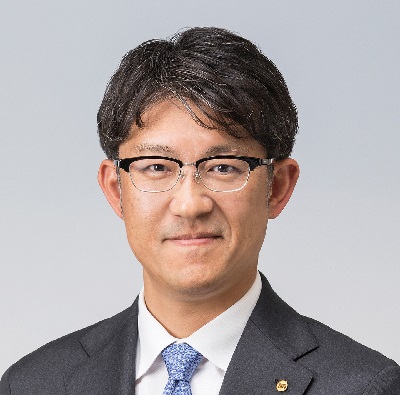
Akio Toyoda, who oversaw the rise of the Japanese car manufacturer to become one of the world’s leading automakers, will be replaced by Sato.
Unilever allows employees to swap public holidays

With the interchangeable holiday policy, employees at Unilever are free to exchange a public holiday for another day that is more significant to them.
Millennials in Hong Kong desire healthy lifestyles

Health and wellness are important to millennials, and they are willing to spend on what is of importance to them.
Unemployment remains low despite drop in jobs in Australia

Vacancies remain at historically high levels in Australia, indicating strong employment and a healthy labour market.
The HR tech market categories to watch this year

Josh Bersin provides his outlook on the areas in the HR technology market that will have the most growth potential in 2023.
Creating a successful approach to flexible work

In this special report, HRM Asia spoke to organisations on the key strategies that will make flexible work successful in 2023.
The role of the CHRO in a post-pandemic era

Steve Wood, Vice President, APJ, Aruba, highlights three ways CHROs can tap into the enterprise network for a stronger HR approach in 2023.
Fostering a culture of sustainability starts with your people

Nathalie Huynh, Country HR Director, Singapore, Malaysia, Brunei, Schneider Electric, highlights why organisations should prioritise sustainability in 2023.
Why the 9-to-5 work schedule may no longer be effective

Organisations should rethink how they manage traditional workhours to get the best out of employees who work from the office.
How to improve employee engagement and retention

Providing employees with career mobility opportunities can help organisations grow and retain their best employees.
Investment in ESG management grows in South Korea

Companies spent more than 5 trillion won (US$4.04 billion) on managing environmental, social and governance (ESG) initiatives in 2022.
How to master success and achieve more in 2023

Global speaker and author Shiv Khera highlights the three key skills that will bring about success in life and in the workplace.
What’s keeping CEOs in APAC up at night?

Business leaders are looking to redefine their priorities to focus on maximising value while driving profits in today’s challenging marketplace.
How to embrace diverse personalities and values in the workplace

Diversity is commonly understood to refer to visible differences, but it encompasses a much broader range of characteristics within the workplace.
Engage and retain frontline employees by improving EX

Frontline employees who feel a sense of belonging are less likely to resign, underscoring the importance of meeting their needs and preferences.
Employees in Singapore seek new employment opportunities in 2023

Employees are also recognising the importance of upgrading their skills and learning new ones to expand their career options.
Nominations for HR Fest Awards 2023 closing soon!

Join HRM Asia in celebrating the outstanding HR leaders and teams that are driving the success of the workforce in the Asia-Pacific region.
Employees in SEA reluctant to speak up about mental health concerns

Organisations can do more to create a psychologically safe work environment that improves employee engagement, performance, and retention.
Firms in Japan expected to offer largest wage increment in 26 years

Firms are likely to offer pay hikes of 2.85%, consisting of a 1.08% increase in base salaries and a 1.78% increase in seniority-based pay.
Promoting workplace diversity and fairness in Singapore

In addition to legislation, employers are encouraged to play a more active role in creating an inclusive and fair work environment for their employees.
PropertyGuru names Disha Goenka Das as CMO

Her responsibilities as CMO include brand strategy, corporate communications, and environmental, social, and governance (ESG) initiatives.
Who are the Top Employers in the Asia-Pacific region for 2023?

Top Employers Institute has announced their 2023 APAC Top Employers, which are organisations that have achieved HR best practice excellence.