

Taiwan sees steepest drop in average monthly wages in seven years

A sluggish economy and inflation lowered monthly wages 0.19% year-on-year, the Directorate General of Budget, Accounting and Statistics reported.
HR Tech Festival Asia 2023: HR transformation in the future of work
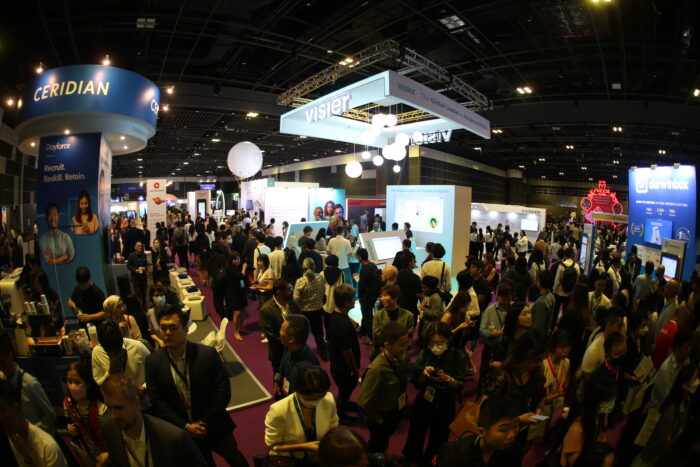
With the evolution of the workplace, HR leaders must recognise and embrace both opportunities and challenges.
HR Tech Festival Asia 2023: What’s happening on Day 2
Day 2 of the HR Tech Festival Asia 2023 is jam-packed with presentations and innovations that will shape the way organisations work in 2023 and beyond.
Celebrating Asia’s top HR leaders and organisations
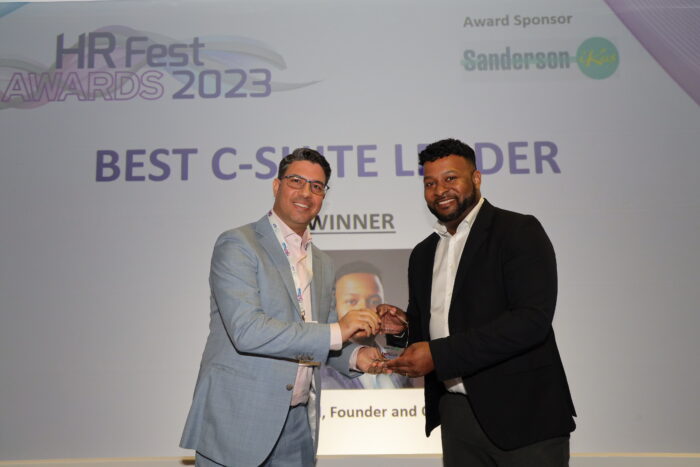
Winners of the HR Tech Festival Asia 2023 were recognised for setting the benchmark of excellence and innovation in the HR industry.
HR Tech Festival Asia 2023: What’s happening on Day 1
HR Tech Festival Asia 2023 kicks off today, setting the stage for discussions on critical workforce challenges and innovative HR tech solutions.
Everywhere Work: Challenges and how employers can adapt

Control over the work schedule is desired by most office employees, but only 43% are able to choose their work location.
HR Tech Festival Asia 2023: Asia’s largest HR reunion starts tomorrow
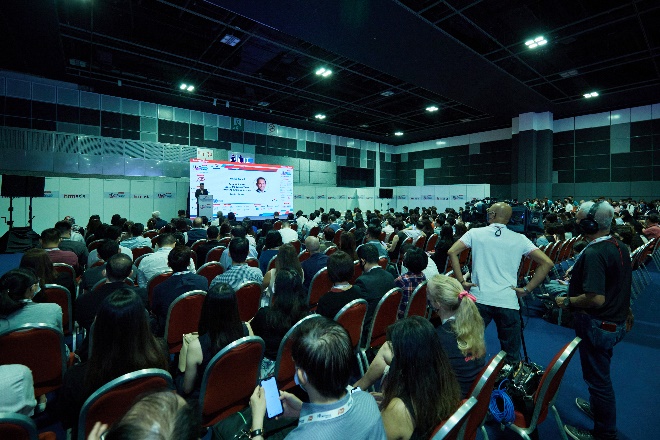
Attracting over 100 global brands and start-ups, HR Tech Festival Asia 2023 connects attendees with the best HR personalities and brands in the world.
Employed women in their 30s rising high in South Korea

Women in their 30s are making up higher numbers in South Korea’s working population, while numbers of men in the same age group are declining.
More organisations in Japan plan to raise wages in 2023
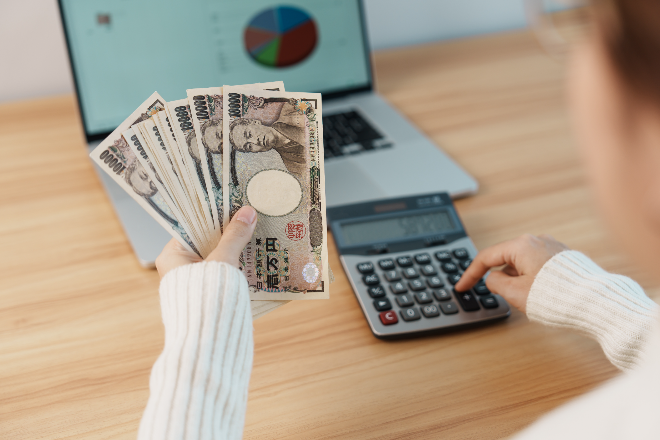
Over 60% of employers plan to raise wages in response to cost of living and talent retention needs, with many committing to at least a 3% increase.
Are employees getting short-changed during salary negotiations?

Job applicants are afraid to ask for higher salaries in jobs that push for altruism and charity, resulting in them losing out on more pay.
Why organisations should prioritise kindness as a leadership strategy

Kindness fosters a healthy workplace culture that supports growth and resilience, as well as empathising with mistakes and learning from them.
Flexible work the new compact for employees in Singapore

Flexible work arrangements and better career opportunities are among NTUC’s goals to empower youths and caregivers.
Workforce satisfaction declining among employees in Singapore

Many organisations risk losing their best talent by failing to build workforce resilience that meets their employees’ needs.
Underemployment hinders Malaysian SMEs’ ability to find skilled employees

A Future of Work Taskforce could help SMEs create a skilled workforce that supports their growth, said the Small and Medium Enterprises Association.
Minimum wage hike inadequate for living costs, say HK labour groups

A recent revision has labour groups clamouring for a more regular review and increment of the minimum wage in Hong Kong.
Why global teams can help companies operate sustainably in Singapore

Charles Ferguson, General Manager, G-P, explains why building global teams and remote work can help organisations manage rising operating costs.
ASEAN Future of Work: Addressing post-pandemic workplace strategies
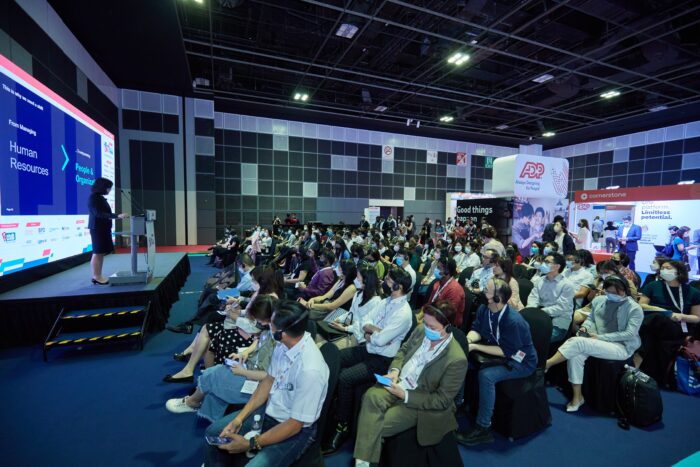
Discover the latest workplace strategies and insights from industry experts at ASEAN Future of Work, a key event during HR Tech Festival Asia 2023.
Ageism hinders employment opportunities in Australia

Older employees are denied the same opportunities as their younger counterparts, despite having the ability to perform as well, if not better.
Lifelong learning key pillar of Singapore’s workforce development

To bridge wage gaps and improve employability, the Singapore government is committed to helping employees constantly reskill and upgrade.
Mental health issues impacting workplace productivity in Singapore

Mental health issues such as anxiety or depression are causing the country to lose about S$16 billion annually in lost productivity.
Japan moves to bridge workplace gender gap

To promote workplace diversity and strengthen the economy, Japan aims to increase the number of female executives in major organisations.
Can AI boost employee productivity in the workplace?

Chatbots are a viable tool to assist entry-level and low-skilled employees with complex tasks, according to a study.
Employees in Singapore can expect slower wage growth this year
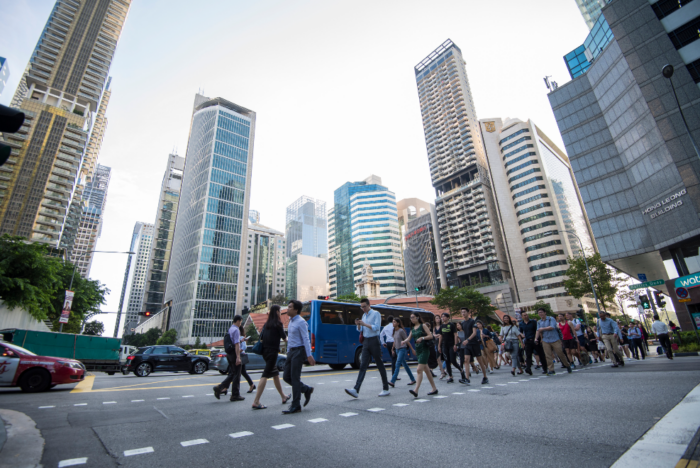
The Monetary Authority of Singapore has predicted slower wage growth, with uneven sectoral growth and skills mismatch contributing to hiring challenges.
Flexible work to be part of Australia’s Civil Service

To create a more diverse and inclusive workforce, the Australian civil service is considering offering more flexible work rights for public employees.
Employees in Singapore expecting a pay rise in 2023

Even though anxiety over job security still prevails, expectations of a salary raise continue to rise amongst employees in Singapore.
Chinese city to pay public employees in digital yuan

Starting May 2023, civil servants in Changshu, China, will receive their wages in digital currency, boosting adoption of digital payments in various industries.
Overconfidence in the workplace continues to widen gender pay gap

Employers need to find a more equal recruitment and promotion system to address inequalities in the workplace arising from men’s overconfidence.
How workplaces can accommodate autistic employees

Organisations can do more to help autistic employees who might not be able to cope with working on site after years of remote working.
Is Japan shifting away from lifetime employment?

A new report shows that creativity can be inculcated in employees lower in power when they are given time to engage in it more than once.
Warm-up time boosts creativity among employees

Creativity can be inculcated in employees lower in the organisational hierarchy when they are given more time to engage in tasks.