
South Korea’s working age population expected to fall by 3.2 million in 2030
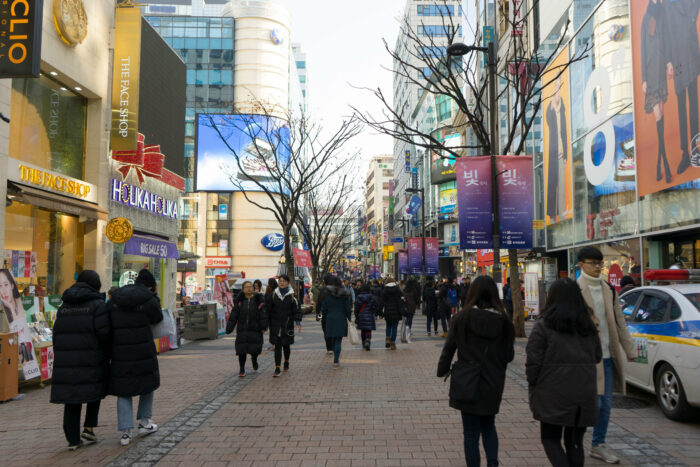
The number of people aged 15 and above who are able and willing to hold a job is forecast to start a downward turn after reaching its peak in 2025.
Most South Korean mothers want to remain in workforce
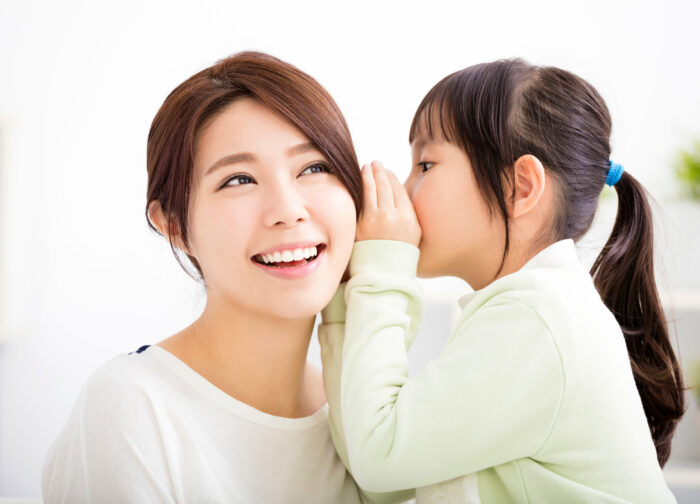
Out of the female workers who worked until giving birth, 77.5% either went back to work or plan to return to work after childbirth.
Workplace safety measures bolstered in South Korea as new law takes effect

Businesses face harsher sentences of a minimum one-year prison sentence or up to 1 billion won in fines in the event of fatal workplace accidents.
Number of discouraged workers in South Korea hits all-time high in 2021

The number of discouraged workers in South Korea spiked to an all-time high in 2021 amid a weak labour market due to the prolonged pandemic.
South Korea to finalise extra budget to help businesses and self-employed

An extra budget of 14 trillion won (US$11.7 billion) is being planned to support small merchants and the self-employed hard-hit by the pandemic.
Clarification wanted on South Korea’s new industrial accident law

Foreign companies are calling on the government to provide “clarity” and “predictability” on the tougher law relating to serious industrial accidents.
South Korea’s jobs growth surges to 7-year high in 2021
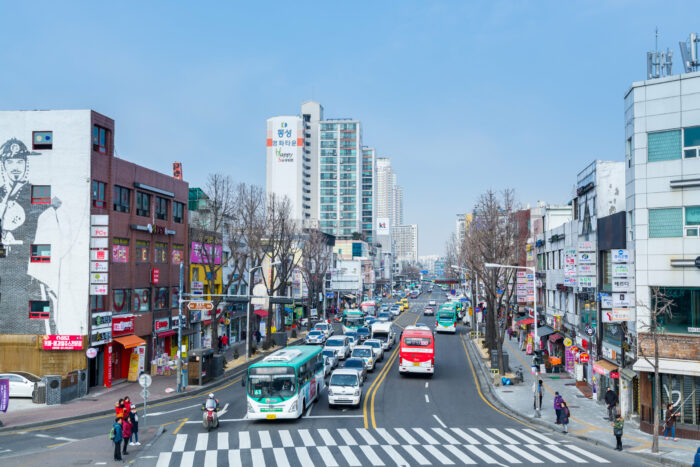
This was the most number of jobs added in seven years as the labour market bounces back to pre-pandemic levels.
South Korea to provide new fiscal support for pandemic-hit firms

The government is planning to grant 40 trillion won (US$33.2 billion) of fresh funds to small firms and the self-employed before the Lunar New Year.
South Korea aims to attract more skilled workers
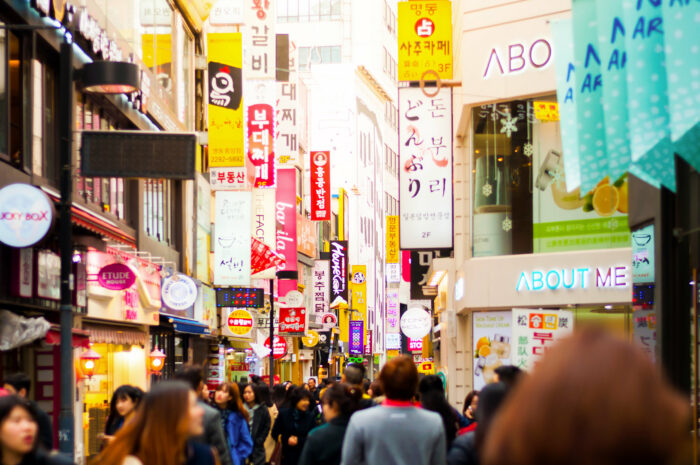
A fast-track visa system for foreigners with a master or PhD degree in science and IT will guarantee legal status during their job search period.
South Korea raises minimum wage by 5.1% in 2022
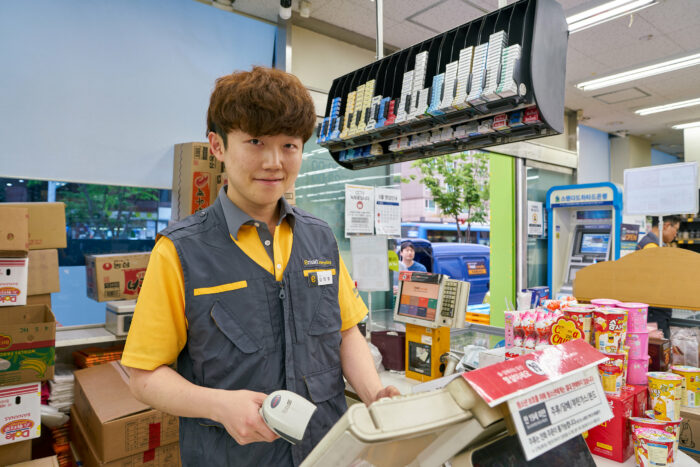
The minimum wage for 2022 has been set at 9,160 won (US$7.7) per hour, the first time it has exceeded 9,000 won (US$7.5).
Seoul has best work-life balance in South Korea
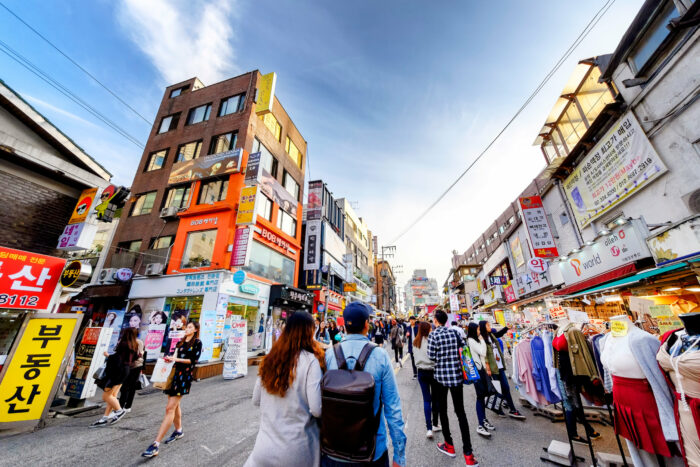
Seoul topped other cities and provinces in terms of work-life balance, a recent survey by the Ministry of Employment and Labour has shown.
South Korea’s number of companies rise 18% over past five years
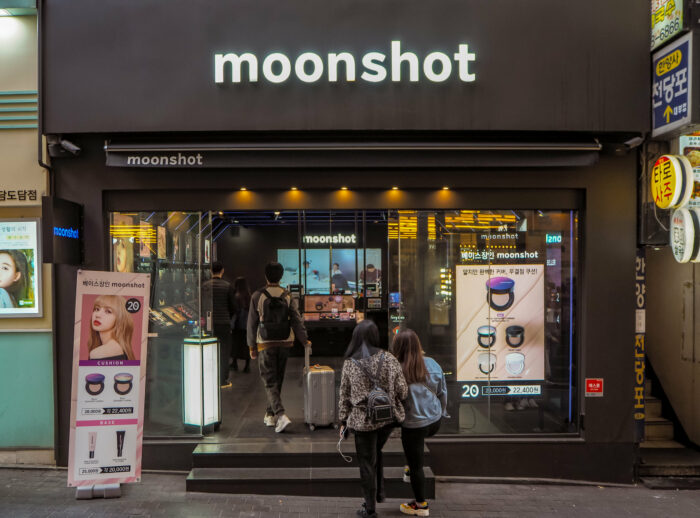
As of end-2020, the country registered a total of 6,013,000 businesses, an increase of 17.8% from five years earlier.
Majority of South Koreans harbour pessimistic job outlooks

At least one in five young South Koreans, aged 15 to 29, were job searching as of October, according to data from Statistics Korea.
Unemployment rate fell to 2.6% in November in South Korea
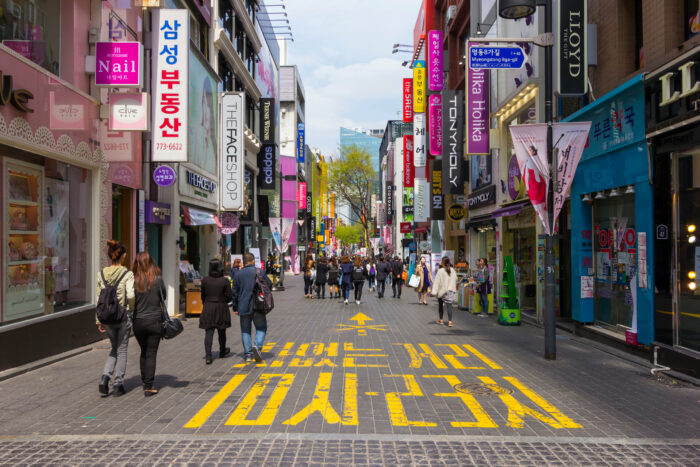
The jobless rate was 2.6% in November, down 0.8 percentage point year-on-year. The rate was 3.1% on a seasonally adjusted basis.
Majority of South Korean businesses opt for WFH even after pandemic

About 75.2% of businesses said they plan to either continue remote-work policies at the current level or partially downscale it when the pandemic ends.
November saw employment continue to rise in South Korea
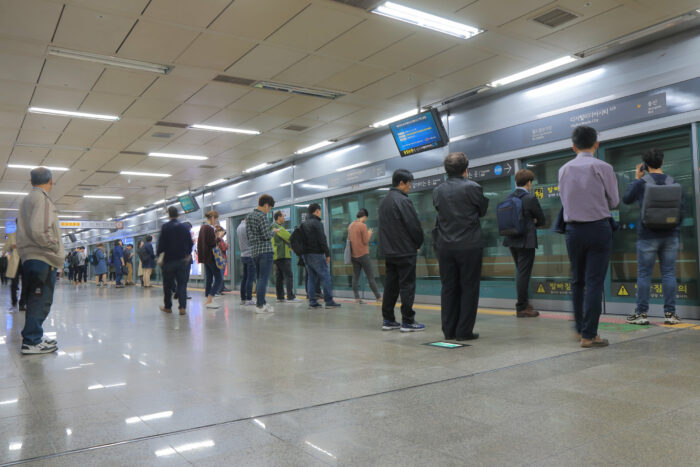
However, jobs addition fell below 600,000 for the first time in three months, which was attributed to the resurgence of the COVID-19 outbreak.
Younger workers in South Korea face greater employment woes
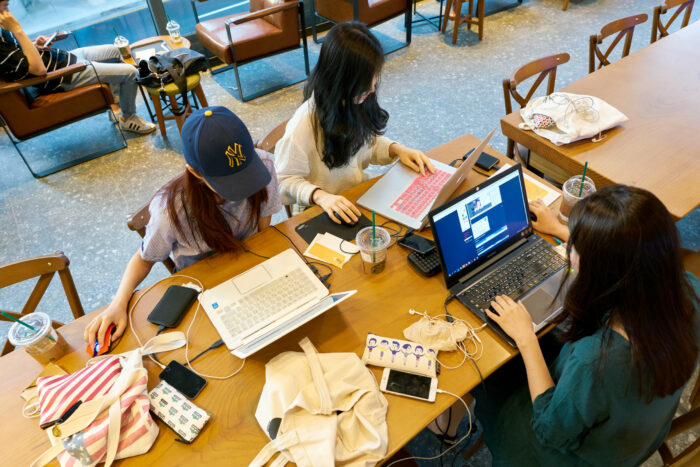
Workers who had graduated from college or high school less than a year ago were found to face more difficulty finding jobs.
Gig jobs see growing popularity in South Korea

There are about 220,000 people working as gig workers for online platforms, which account for 8.5% of the country’s total workers.
South Korea sees rise in job additions in 2020
Total jobs reached 24.72 million last year, up 710,000, or 2.9% from the previous year, marking the largest jump in job additions since 2016.
Number of irregular workers in South Korea grows by 530,000

The number of irregular workers has increased from 8.5 million to 9.04 million in August, rising 6.35% year-on-year.
Number of wage workers in South Korea rises in Q2
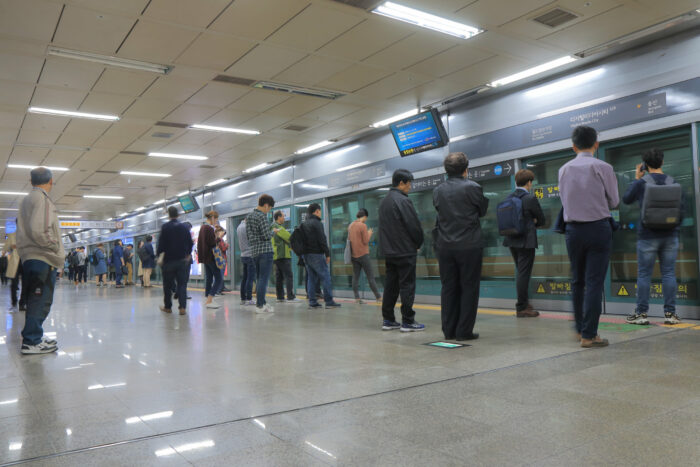
The number of paid employee jobs rose 3.6% in the second quarter amid signs of the economy’s recovery from the pandemic.
South Korea to use excess tax revenue to support small businesses
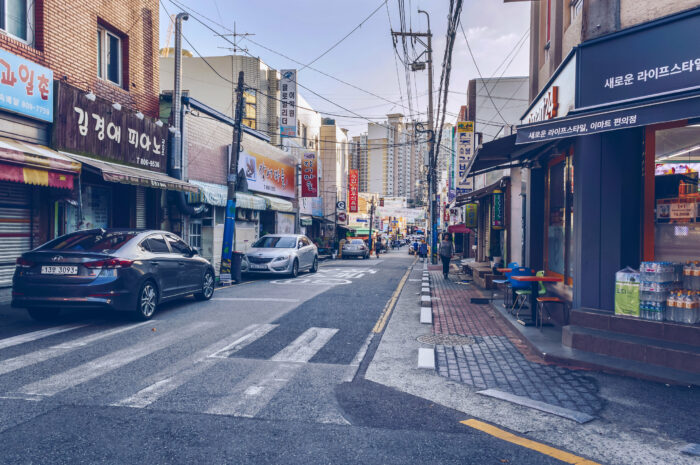
Small businesses will be compensated for their incurred losses because of COVID-19 restrictions, although some businesses are exempted from this.
Concerns raised over South Korea’s new workplace disaster law

Some 29.2% of foreign investment companies with over 300 employees felt most uneasy about the introduction of the workplace disaster law.
Pay gap widens between regular and non-regular workers in South Korea

The proportion of non-regular workers in the country has also been increasing, rising by 5.5 percentage points from 2017 to 2021.
South Korea sees increase in non-regular jobs in 5 major cities

Over the last four years, five major cities outside Seoul have driven the increase in the proportion of non-regular jobs in the country.
South Korea’s gender pay gap highest in OECD

Out of the 38 members of the OECD, South Korea ranks highest in the pay gap between male and female employees in 2020.
South Korea registers job growth for eighth consecutive month
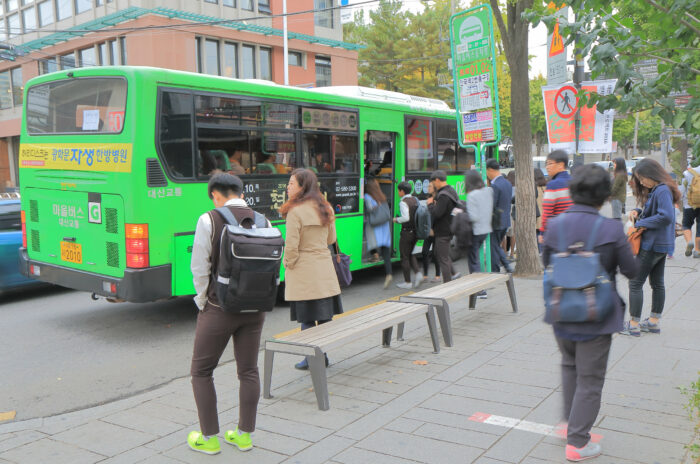
The unemployment rate for young adults, aged between 15 and 29, fell by 2.7 percentage points year-to-year to 5.6%.
Wage gap by work sector widens in South Korea

The sector that saw the largest wage jump include tech firms, while the salaries of workers in the tourism and aviation sectors took a plunge.
Number of South Koreans outside labour force drops
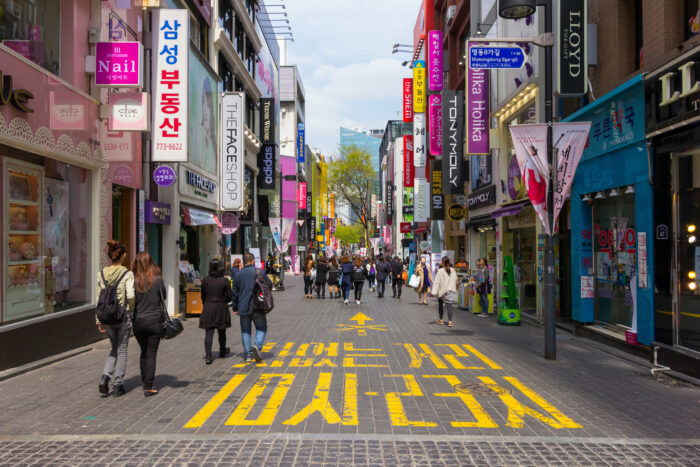
The number of people outside the labour force fell 0.6% in August compared to that of 2020, driven by more people wanting to be employed again.
South Korea’s wage divide between sectors widens

Workers in internet service firms saw their pay rising in the first half of 2021, while those in the travel sector experienced a slump.