

Pregnant workers in Cambodia benefit from government subsidies

The government’s subsidy programme has disbursed US$24 million to pregnant workers since its launch in January 2018.
Malaysian companies urged to lodge concerns on regulatory barriers

The MyMudah platform, launched last July, aims to alleviate the economic impact of COVID-19 on local enterprises and international businesses.
Australia considers increasing childcare subsidies for female workers

To increase women’s participation in the workforce, the Australian government is considering increasing childcare subsidies in its upcoming budget.
Why companies need ‘right-brain leadership’

Josh Bersin explains why the pandemic and its aftermath have highlighted the need for leaders who are empathetic, inclusive and highly flexible.
Singapore to improve employment opportunities for disabled people

Some of the plans to help those with disabilities have already been rolled out in 2020, while more will be rolled out progressively from the second half of 2021.
HR Tech Fest Connect 2021 brings organisations into the future of work

At HR Tech Connect 2021, HR visionaries and experts like Anita Lettink and Josh Bersin will address the key priorities facing HR leaders in 2021.
More women take up key leadership positions in Singapore

More women were appointed to the boards of statutory boards, companies and Institutions of Public Character (IPCs) in 2020.
Employee engagement key to retain talent in 2021

A new Achievers Workforce Institute report aims to help HR and business leaders connect the dots on engagement and retention to reduce turnover.
Kellogg fuels their global workforce with frequent recognition
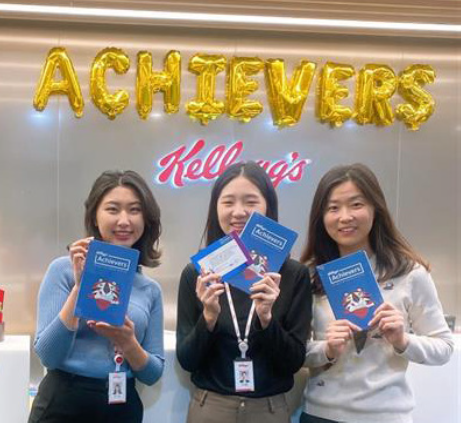
Kellogg picked the Achievers Employee Success Platform to redefine their recognition and rewards programme goals.
Women trade union group in Malaysia calls for 98 days of maternity leave

Wanita Industrial Malaysia (WIM), a trade union coalition representing female workers, has urged the government to mandate 98 days of maternity leave.
More South Korean women in their 30s drop out of the workforce

The labour force participation rate of women peaks between ages 25 and 29, before it plunges in the 30s as women leave work to care for their children.
L&D driving organisational growth in a new world of work
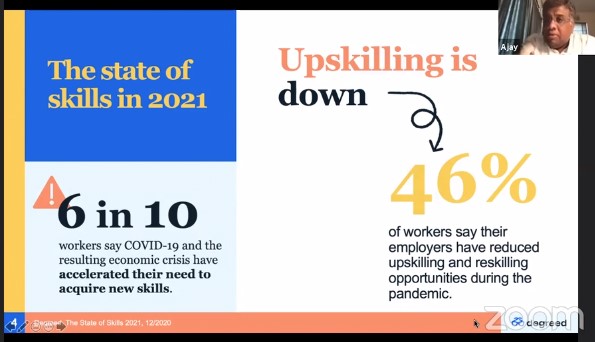
Day 1 of Learning Technologies Asia 2021 highlighted issues such as reskilling and upskilling, as well as how organisations need to rethink employee engagement.
Agile and skills-ready workforce for a changing world

A recent webinar by Workday highlighted how a skilled and engaged workforce is key to building an agile organisation.
World Bank urges Malaysia to increase female labour participation

The development model that worked in the past for Malaysia is no longer enough for it to navigate to the next stage of its development, it added.
Japan’s largest business lobby aims for more women representation

Measures include the implementation of a support programme for women on matters of hiring and promotion to upper management and executive roles.
Malaysian employers group says retirement age should not be raised
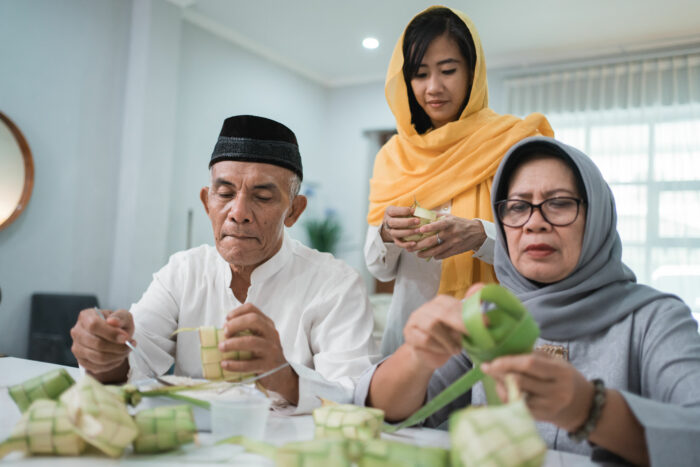
A blanket increase of the retirement age to 65 and beyond could adversely impact the labour market, causing unemployment among younger workers.
SSIA launched the first semiconductor women’s forum
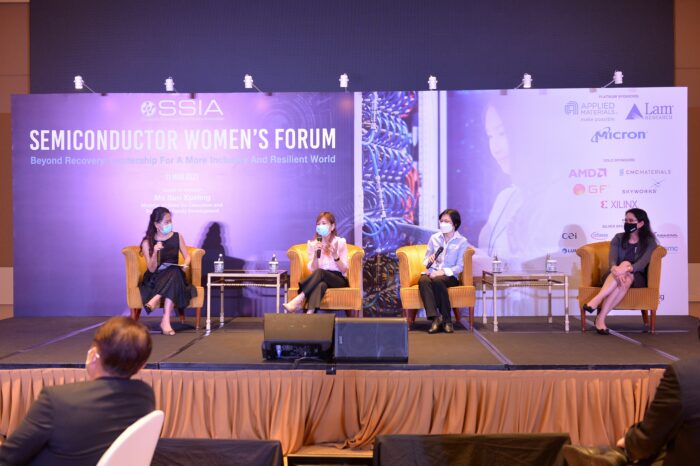
Diversity is key to address the challenges facing the semiconductor industry, the inaugural Semiconductor Women’s Forum highlighted.
Singapore’s employment rate among women remained stable in 2020

Singapore’s Manpower Minister also highlighted that a welcome change in the workplace would be having more women representation in company boards.
Gender equality key to boost Cambodia’s economic output: ADB

Women are more likely to be in vulnerable employment and also more likely to be in the category of unpaid contributing family worker.
Paradigm shift needed to close gender gap in Vietnam’s labour market

The pandemic has not only worsened existing gender inequalities, but also created new ones, said the International Labour Organisation (ILO) in Vietnam.
Gender pay gap in Australia drops marginally

The Workplace Gender Equality Agency (WGEA) has said the national gender pay gap decreased by 0.6 percentage points to 13.4% in the past six months.
Japan adopts new bill for more flexible paternity leave

With the revision, fathers can take leave in two batches, and will receive employment insurance benefits equivalent to 67% of their pre-leave wages.
South Koreans’ average monthly income rose 4.1% in 2019

Data showed that the average monthly income of South Korean workers increased by 4.1% in 2019 year-on-year due to a rise in minimum wage.
Two Cents: Agility defines the future of L&D

Organisations are beginning to redefine the role L&D plays in their organisations and how it relates to organisational success.
Gender wage gap in Taiwan narrows in 2020

Taiwan’s average hourly gender pay gap fell from 17.1% in 2010 to 14% in 2020, which translates to a fall from 63 to 51 extra work days.
6 key facts about the multigenerational workforce in 2021

Rachele Focardi explains why generational diversity and inclusion is quickly becoming the hottest item on the agendas of CEOs and CHROs.
L&D enters a new era of learning and employee development

Leading up to Learning Technologies Asia, RedThread Research shared how the role of L&D is being redefined in a new world of work.
India to add 12 million people to working population yearly

Based on the country’s present demographics, the working population is projected to increase by 12 million annually.
#BetterMe by AXA helps organisations construct more resilient workforces

#BetterMe by AXA is designed to help build a healthier and more productive workforce.
Chinese lobby group calls on shared parental leave

Making it compulsory to use at least a third of shared parental leave will force fathers to be more involved in childcare, says the Shanghai Women’s Federation.