

Australia sees workers on wage subsidies fall

The number of workers who collected wage subsidies decreased by about 2 million over an eight-month period last year.
Pandemic widens employment gap in South Korea

Smaller businesses saw a steep drop in employment numbers while that of larger conglomerates rose last year.
Hong Kong welfare minister rejects temporary unemployment fund
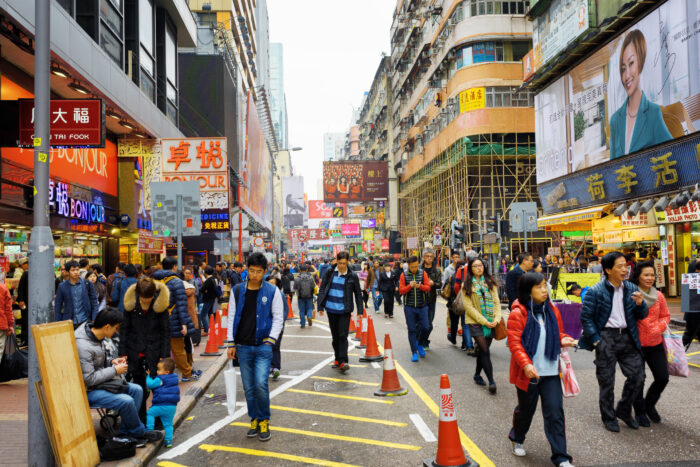
The minister said that it would be tricky to draw the line for when the scheme should stop, and urged that public policy needs to be fair.
Rethinking compensation for a new work environment

Organisations also need to update their indicators for the new normal, and make data-driven decisions to inform their HR strategy.
New SOPs for workplace safety in India to contain spread of virus

The government has issued new SOPs that allow work to resume in offices after disinfection has been done in accordance with new protocols.
Driving organisational growth with L&D as the focal point

Learning Technologies Asia 2021 will examine how organisations can develop their learning strategies to stay ahead, innovate and grow.
Malaysia approved RM12.76 billion in wage subsidies as of end January
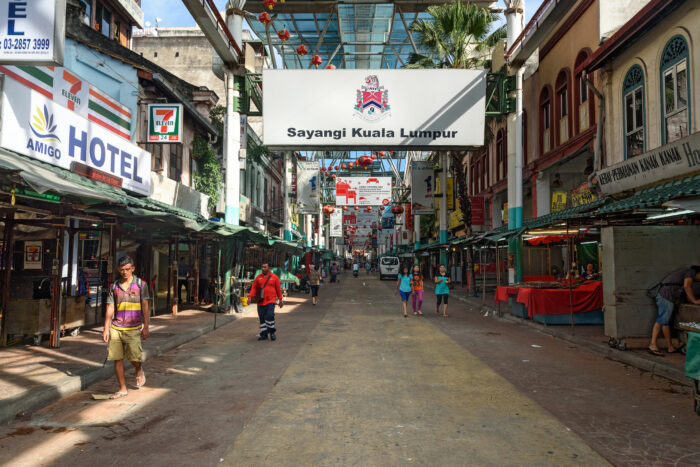
The National Employment Council estimates that over 160,000 new jobs will be created this year through committed investments.
France relaxes rule to allow workers to eat within work premises

The government has relaxed its labour code that explicitly forbids workers “to have their meals inside work premises”.
Singapore pumps in S$5.4 billion to hire 200,000 locals

The government announced a range of Budget 2021 measures aimed at helping workers and businesses to land jobs and sustain operations amid the pandemic.
New Zealand mulls vaccinating workers at their workplaces

The government is considering giving employees the COVID-19 vaccine the same way they get their annual flu jab at work.
Australian MP calls on six months parental leave for fathers

This would encourage fathers to share care of the child, causing less disruption and long-term impact to women’s careers, she says.
Philippine MSMEs cannot afford wage increase amid pandemic

Employers Confederation of the Philippines (ECOP) believes that raising daily wages by P100 (US$2.1) will likely result in more unemployment.
South Korea expects modest recovery in job market

Service industries that require face-to-face interactions are expected to have a slower recovery as compared to other sectors.
India’s new paperless portal for MSME registrations crosses 2-million mark

The government’s paperless portal for MSME registration – Udyam Registration – has processed 2.03 million registrations in the last three months.
Japan’s overtime pay in 2020 sees largest fall in 11 years

The speed of decline was the fastest since 2009, when the global financial crisis led to a drop of overtime wages by 13.5%.
Malaysian government partners industries to create over 160,000 jobs
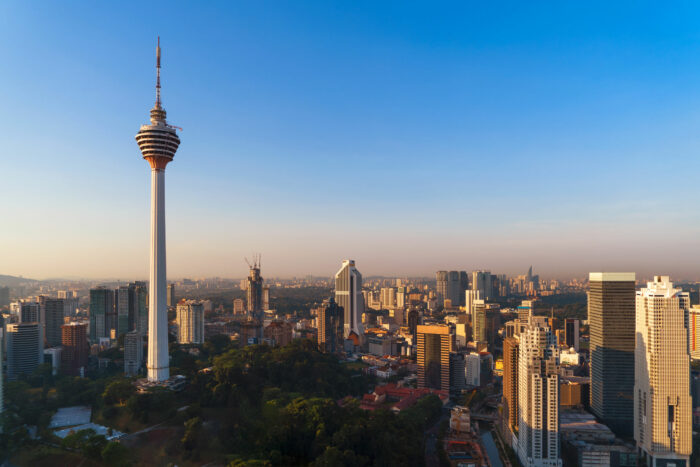
The Prime Minister’s Office (PMO) has said that more than 160,000 jobs are expected to be created in 2021 through investments in human capital.
South Korea sees rise in paternity leave in 2020

There were 27,423 private sectors workers who requested paternity leave last year, more than double that of 2017’s total of 12,042.
Indian employees can opt for four-day work week soon

Labour and employment secretary Apurva Chandra said the new labour codes would provide the flexibility of four working days in a week.
Australia’s payroll jobs rise 1.3% in first half of January

Payroll jobs had the largest increases in the states of Queensland, up by 2.8%, and South Australia, up by 2.4%.
Malaysia’s jobless rate highest since 1993

The Department of Statistics Malaysia (DOSM) has said the country’s unemployment rate increased 4.5% in 2020 – the highest in 27 years.
Unemployment in Hong Kong not just limited to grassroots level
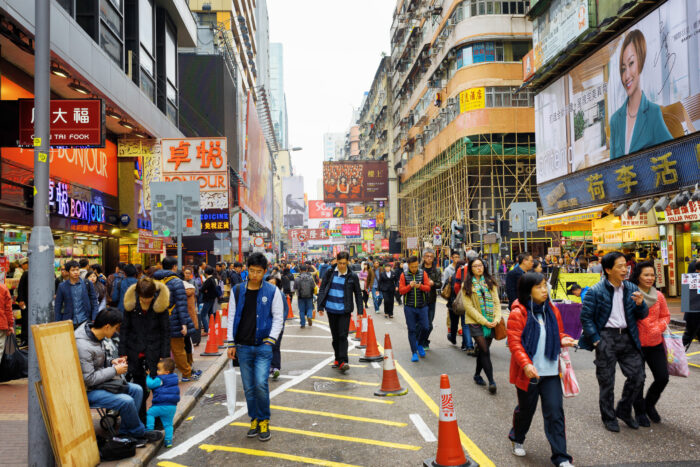
While unemployment is severe among the lower class, middle-level occupations have also been badly hit by unemployment.
Employers in New Zealand get US$252 for self-isolating staff

The government has launched the Short-Term Absence Payment (STAP) – a scheme to help businesses and staff affected by the pandemic.
Hong Kong seeks to relax subsidy criteria for low-income workers

The basic subsidy for low-income families, once relaxed, would benefit around 24,000 more underemployed households.
Philippine House speaker submits US$8.7billon COVID-19 relief bill

Lord Allan Velasco has submitted a pandemic-relief bill of 420 billion peso (US$8.7 billion) to Congress to spur the economy into recovery.
Singapore government looks to hire more private sector talent

The end goal is to have “greater porosity” between the public sector and the outside world, said Minister Chan Chun Sing.
Singapore employers not looking to adjust pay despite new norm of WFH

Most employers are not considering adjusting their staff’s salary even as remote working has become a trend.
MEF wants all economic sectors to resume operations in Malaysia

The continued closure due to movement controls will inevitably lead to bankruptcy and unemployment, cautions the Malaysian Employers’ Federation.
Task force set up in the Philippines to create jobs

Key government agencies have signed a joint memorandum circular to set up the National Employment Recovery Strategy (NERS) Task Force.
HR support key to help workforce navigate uncertain future

Human resource management cannot be considered as a support function in an organisation, but rather a strategic partner, says Brunei minister.
70,000 jobs can be created in Malaysia with 1% increase in GDP

The Malaysian Institute of Economic Research (MIER) said the local economy has the capacity to create 70,000 jobs for every 1% increase in its GDP.