
Work flexibility can address employee burnout

Flexible schedules can reduce burnout, increase employee engagement and loyalty, and promote business success.
Closing the gender gap with pro-female entrepreneurship policies

In addition to helping new enterprises grow, e-commerce could raise women’s participation in the workplace, said the World Bank.
Indonesia to improve job training for PWDs

The Social Affairs Ministry will be improving training for people with disabilities to widen their access to job opportunities or employment.
Majority of Chinese at retirement age want to remain employed

Among the reasons why senior workers wish to re-enter the workforce are self-esteem and financial pressure, according to a survey.
Australia signs off on workplace relations law

The new legislation is intended to support low-paid employees, particularly women, in negotiating better pay packages and working conditions.
Work expectations in hybrid workplaces vary
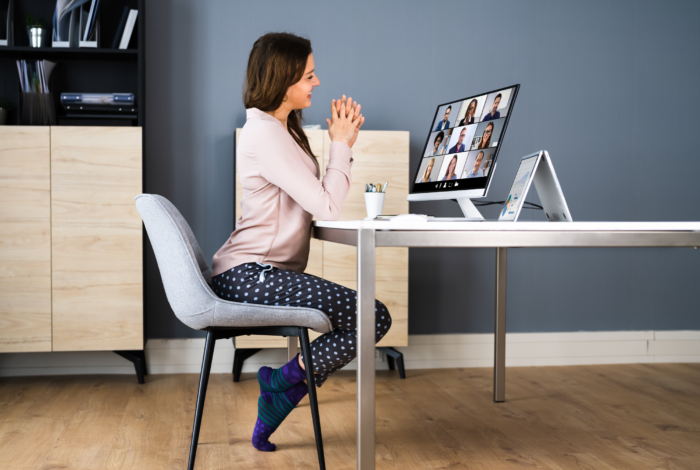
Despite the convenience, employees working remotely are concerned about fatigue and isolation, an IR survey finds.
South Korean young adults taking longer to find jobs

New data has found that nearly 360,000 young adults in South Korea spent more than three years in landing their first job.
More flexibility needed to encourage gig workers to contribute to pensions
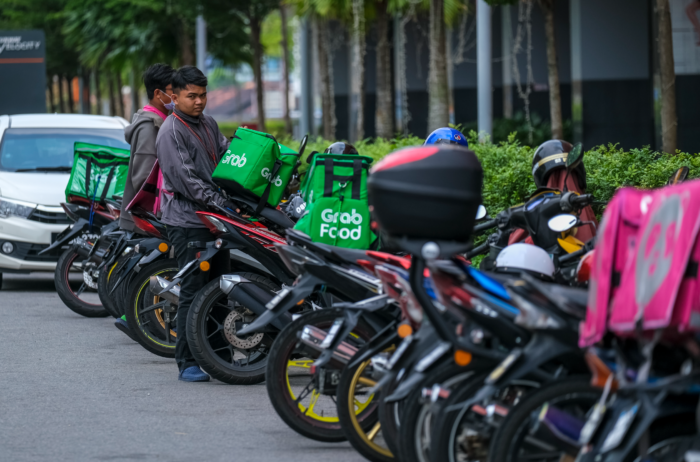
Bringing the informal workforce into formal pension systems has been a question facing pension systems around the world.
Reimagining work: How CHROs are leading from the front
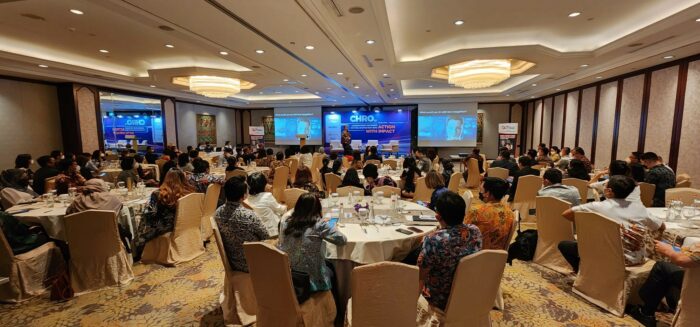
Organised by HRM Asia, the CHRO Series Indonesia is kicking off today at the Shangri-La Hotel in Indonesia.
Thailand urges workers to upgrade their skills

Thai workers must be upskilled as the government reaffirms its commitment to the Eastern Economic Corridor (EEC) project.
Four-day workweek firms see surge in job applications

While companies have witnessed a surge in job applications, it does not necessarily equate to finding the right candidate.
Australia calls for employees’ rights to “disconnect”

To better protect employees’ mental health and wellbeing, the Senator committee is advocating for new protections for flexible work.
Indonesia boosts women’s work participation

Employees’ skills, financial independence, and financial inclusion have so far been improved through the Pre-Employment Card Programme.
Cambodia takes lead in women’s employment in ASEAN

Cambodia has 49 women working for every 100 employed individuals, a higher rate than Singapore, which has 47.
Singapore plans to upgrade workforce reskilling programmes

The government plans to enhance its reskilling programmes to better meet the needs of mature and mid-career workers.
South Korea’s 52-hour workweek under scrutiny

A presidential advisory group has called for flexibility in implementing the 52-hour workweek which was first adopted in 2019.
AI found to be an ineffective tool for recruitment

The use of artificial intelligent hiring tools does not result in a reduction of bias or improvement in diversity, a study has found.
What the explosion of non-routine work means for HR

Josh Bersin describes the rise of non-routine work and how it is impacting HR decisions and the way work is carried out.
Be ready for the future of work by winning the talent war
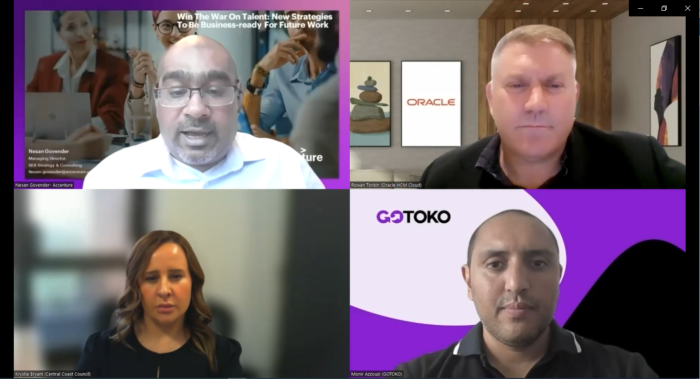
A recent webinar organised by HRM Asia, in partnership with Accenture and Oracle, explored talent management strategies for HR leaders.
Samsung moves to establish and strengthen flexible work culture

The South Korean tech giant has opened six co-working spaces to provide a hybrid work environment for employees.
Indonesia strives to nurture digital talents
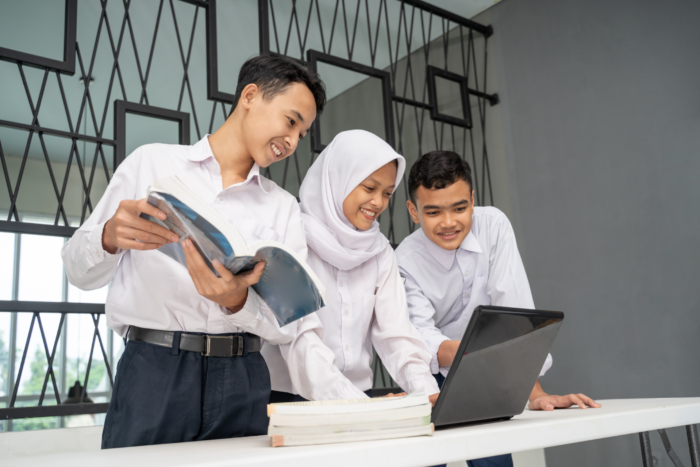
To achieve its goal of 9 million digital talents by 2030, the nation needs to produce 600,000 digital talents a year.
Employees in Australia promised up to six months of paid parental leave

The paid parental leave scheme (PPL) will increase by two weeks every year from 1 July 2024 until it hits the full 26 weeks in July 2026.
Labour union says Hong Kong’s minimum wage hike insufficient
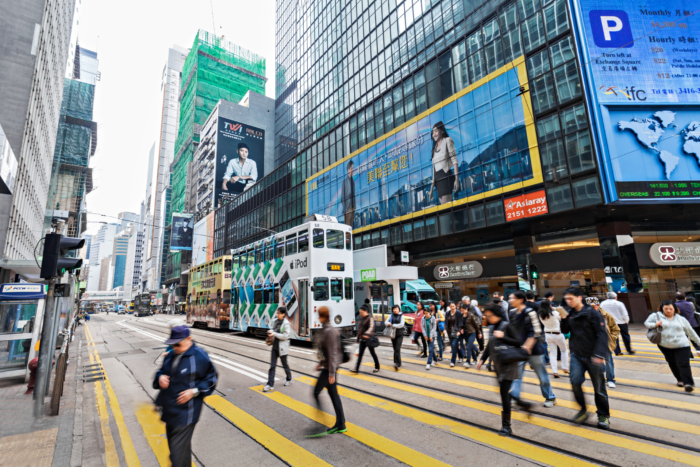
The Minimum Wage Commission reached a consensus last Thursday to raise the minimum wage to HK$40, a 6.7% increase.
Value of hybrid work may overtake pay increase

Recent research has shown that employees would choose a hybrid work arrangement over any pay increase offered by their employer.
Singapore launches roadmap to bolster skills of tech workforce

5G, cloud computing, artificial intelligence and analytics were identified as tech trends that will create high job demand in the near future.
Employees in India value strong organisational leadership

The majority of the Indian workforce expects their employers to be leaders who inspire them to perform to the best of their ability.
South Korea registers 19th consecutive month of job growth

Employment in South Korea reached 28.38 in September, up 707,000 from last year, marking the largest year-on-year growth since 1999.
Staying competitive in the modern workplace

By investing in employee skills development, SkillsFuture Singapore is helping employers to create a productive workforce to grow and succeed.
Gig workers in Singapore to receive more protection

Recommendations to improve the working conditions, as well as physical and financial health of gig workers, are expected to be finalised soon.
Australia urged to address pensions gender gap

Retired Australian women typically have 23.1% less in their pension accounts than men, said the Association of Superannuation Funds of Australia.