

Prioritising human development in South-East Asia’s workplace

Dr Bob Aubrey of the ASEAN Human Development Organisation explains how human development can help organisations build a sustainable workforce.
Industry stakeholders in India agree on allowances cap

After a review of India’s salary structure, a new Wage Code that considers the ratio of allowances against salaries will be implemented.
Adopting a people-centric approach to performance management

Dr Joel Davies, Senior People Scientist at Culture Amp, explains how organisations can adopt a people-centric approach to performance management.
Why a modern HR mindset is key to future-proofing businesses

Accenture’s Gaston Carrion explains why leaders must begin to embrace a modern HR mindset and identifies the five pillars of modern HR.
Why a successful organisation needs satisfied employees

Gerald Pang, Director, Solution Consulting, Employee Experience, APJ, ServiceNow, shares how to create more meaningful employee experiences.
Malaysia urged to delay implementing reduced working hours

The Malaysian Employers Federation (MEF) has urged the government to postpone the reduction in weekly working hours.
How organisations can succeed in a multi-channel work environment

Tim Sackett, President, HRU Technical Resources, shares how organisations can build a cohesive digital culture in a multi-channel work environment.
India plans to ease WFH rules for special economic zones

This is to sort out differences in opinions of remote work between developers and IT companies in special economic zones (SEZs).
Australia union urges focus on wage growth and full employment

The Australia Council of Trade Unions (ACTU) has called for an economic restructure that bring benefits to Australians rather than firms.
Malaysia to introduce shorter working hours

Working hours in the country will be reduced to 45 hours from the current 48, according to amendments to the Employment Act.
Let’s not mistake corporate social responsibility for corporate decency

Amanda Gervay, Senior VP, People & Capability, Asia Pacific, Mastercard, explains why organisations should foster a culture of corporate decency.
Driving a sustainable digital economy with ESG

Mahadhir Aziz, CEO of the Malaysia Digital Economy Corporation (MDEC), addresses questions frequently asked about sustainability reporting.
ESG practices key to long-term sustainability

Investors are avoiding investments in companies that are not participating in sustainable activities, Malaysian firms have been warned.
South Korean firms explore shift to virtual offices

Employees can work in the same virtual office with their colleagues and mingle with other workers from other firms in the shared lounge.
Will a four-day workweek take off in Singapore?

With many employees in Singapore indicating that they want a four-day workweek, some firms have already adopted the practice.
China faces largest retirement wave in next 10 years

The working population born during a baby boom in the 1960s will enter retirement, putting higher pressure on pension funds and social problems.
Companies in Japan allow employees to postpone retirement

About 25.6% of companies are heeding a government directive to allow employees to voluntarily work until they are 70 years old.
Australia’s public service updates remote working guidance

Amid a COVID-19 spike, public agencies are responsible for setting their own working arrangements and updating them.
What’s ahead for HR leaders in 2023 and beyond?
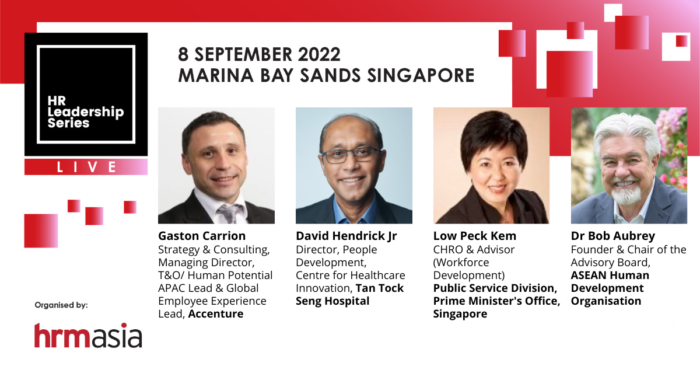
Organised by HRM Asia, the in-person HR Leadership Series: Live will examine the role HR leaders can play in shaping work in 2023.
India adapts rules for WFH arrangement

Workers who are covered include contractual workers, those who are travelling, temporarily incapacitated, and those who are working offsite.
Public service in Singapore embraces flexi-work

Hybrid working arrangements are becoming the norm in the public sector, which is taking the lead in the country’s endeavour to retain flexible work.
Why companies can’t hire their way out of the tech talent crunch

Stephen Koss, EY Asia-Pacific Workforce Advisory Leader, provides tips for creating a multi-faceted approach to hiring and talent sourcing.
Why employers should value remote work

While it may not work for everyone, organisations should not be so quick to dismiss remote work and the potential benefits it can bring.
What is your employee development strategy to retain talent?

Dany Holbrook, Senior People Scientist at Culture Amp, explains how organisations can create an effective employee development strategy.
Malaysia sets sustainability vision with ESG goals

ESG-focused development programmes and projects will be prioritised in the country’s Budget 2023, according to the finance minister.
Going Green can help generate more jobs in ASEAN

A green recovery from the pandemic could create US$172 billion in investment opportunities annually and generate more than 30 million jobs by 2030.
Greater clarity urged for flexi-work terms in Malaysia

Malaysia recently announced that workers could apply for flexible working arrangements with their companies from September 1.
How HR can play a leading role with Gen Z

Yvonne Teo, Vice-President, HR, Asia-Pacific, ADP, discusses how HR can lead a new generation of Gen Z employees in the workplace.
Malaysia studies feasibility of four-day work week

More thought must go into how this working arrangement can work, says the country’s Public Service Department.
Building a global workforce by employing talent anywhere
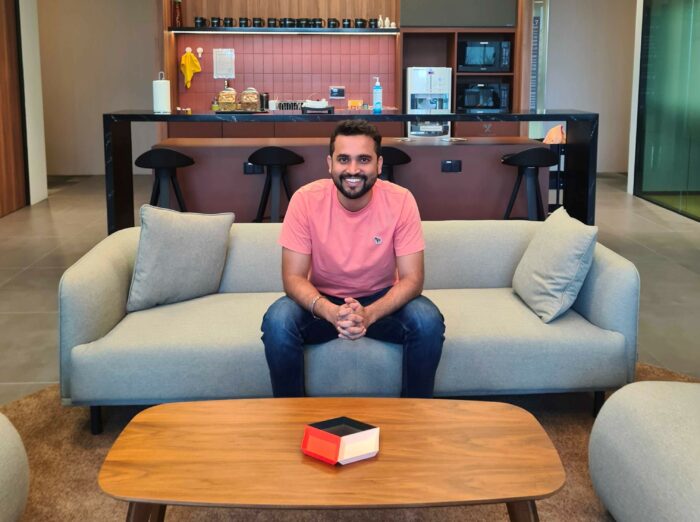
Sagar Khatri, Co-Founder and CEO of Multiplier, highlights how the company is supporting the employment of work teams internationally.