

Employees in Malaysia unwilling to take pay cut for remote work

Employers are also urged to set clearer policies on flexible work to develop more comprehensive workforce strategies.
South Korea told that labour laws need to improve

South Korea’s employment and workplace practices need to be more flexible and in line with global standards, said the Federation of Korean Industries.
Unilever trials four-day workweek in Australian office

For the next 12 months, employees will have the flexibility to choose which day or set of hours is most suitable for them to take off.
South Korea’s labour market urged to adjust to employment uncertainty
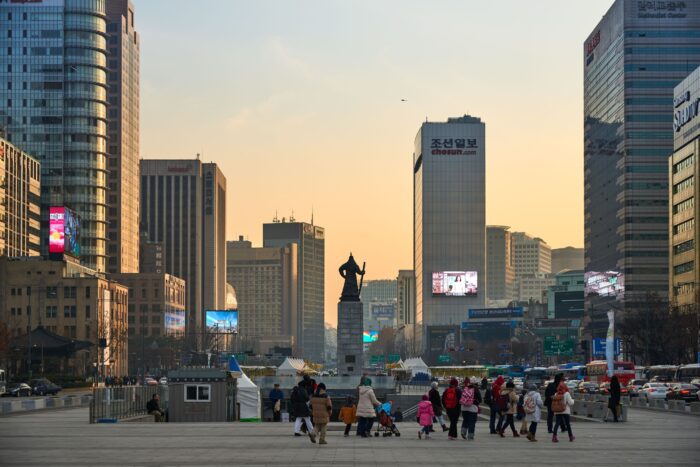
Job training and reskilling are measures that can be taken to create more employment opportunities in 2023, says business group.
Hybrid work increases productivity in New Zealand

About 83.2% of New Zealand employees say the ability to work from anywhere has made them happier and more productive.
Increasing hybrid work transforms firms in Australia

Employee experience and overall business processes are changing as employees embrace remote work post-pandemic.
Work flexibility can address employee burnout

Flexible schedules can reduce burnout, increase employee engagement and loyalty, and promote business success.
Majority of Chinese at retirement age want to remain employed

Among the reasons why senior workers wish to re-enter the workforce are self-esteem and financial pressure, according to a survey.
What the explosion of non-routine work means for HR

Josh Bersin describes the rise of non-routine work and how it is impacting HR decisions and the way work is carried out.
Young workers in China prefer flexible work arrangements

Employees born after 2000 are more willing to work from home and to become “digital workers” with flexible working locations and schedules.
Hybrid work pattern takes hold in Australia

A hybrid work pattern with some days in the office and others at home is becoming the norm, but with big discrepancies depending on occupation.
Return to office and “work from anywhere”, Google tells employees

Providing more flexibility and time off are some of the ways Google is using to lure staff back to the office.
Employers in the Philippines urged to adopt alternative workplace schemes

The telecommuting law in the Philippines has been revised to ensure flexible work arrangements without compromising employees’ productivity.
Middle managers caught between hybrid work policies

Hybrid managers feel less connected to their company culture than their full-time remote or full-time on-site peers.
New Zealand union calls for 4-day workweek

The Council of Trade Unions (CTU) is suggesting a comprehensive pilot of a four-day working week as part of a strategy to develop the economy.
Could hybrid working hold back women’s careers?

Female employees who choose flexible hours or work from home may risk missing out on opportunities through in-person interaction
More firms in Japan rethink employee transfer policies

The prevalence of remote work is making companies in Japan revamp or revise their employee transfer systems.
Four-day workweek set to be permanent in the UK

Most UK firms participating in a pilot expect to keep four-day schedules after the trial ends in November this year.
Is Singapore ready for a 4-day workweek?

Employers and employees should adopt a “flexible mindset” on a four-day workweek, said Gan Siow Huang, Minister of State in the Manpower Ministry.
70:30 hybrid work model proposed in the Philippines

A 70:30 hybrid work ratio (70% onsite and 30% work-from-home) has been recommended to the government to sustain economic recovery.
Four-day workweek trial reviewed in the UK

While offering benefits such as better performance and higher team morale, the jury is still out on the feasibility of a four-day workweek.
Redefining the role of HR leadership in reshaping work
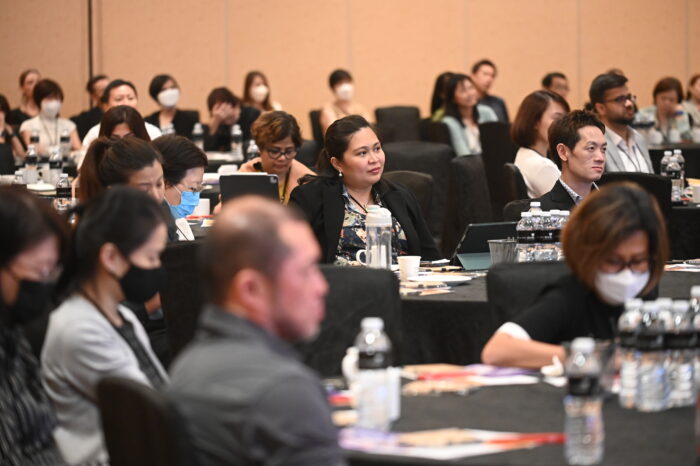
More than 170 HR and business leaders discussed topics like modern HR mindsets, flexible work and employee wellbeing at HR Leadership Series: Live.
Asian leadership can lead organisations to greater heights
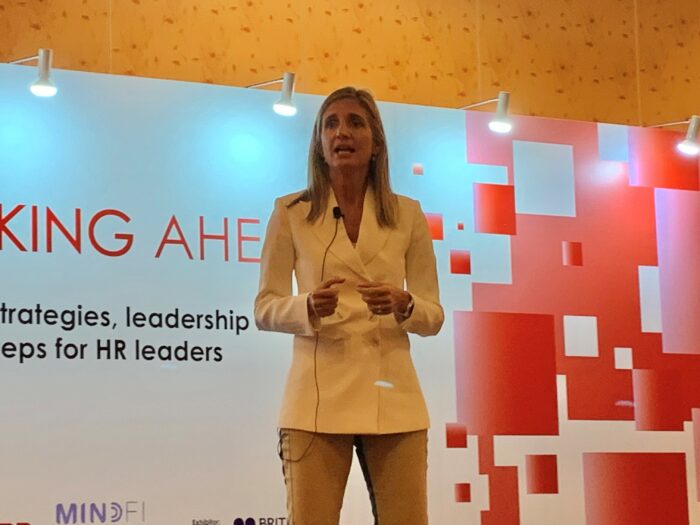
A new report by the Centre for Creative Leadership (CCL) reveals a persistent gap in Asian leadership representation on the global stage.
Malaysia’s Gen Z workforce seeks more than renumeration

As the youngest generation to enter the workforce, Gen Z employees are looking beyond monetary fulfilment at work.
2 Cents: Restructuring of work calls for a personalised approach

As work continues to evolve, a one-size-fits-all approach no longer works and organisations must exercise more flexibility to address employee needs.
Amazon’s WFH strategy lets employees stay performance-focused

Amazon’s three-pronged work-from-home strategy places emphasis on how employees work rather than where they are working from.
Flexible working arrangements set to stay in South Korea

Some 66.6% of South Korean workers believe that flexible work systems are effective in reducing unnecessary overtime work.
Employers’ body calls for “right to manage” workers in the Philippines

The Employers Confederation of the Philippines (ECoP) has called for measures to protect employers’ rights to manage their businesses and workers.
Malaysia postpones enforcement of shorter working hours

Engagement sessions with stakeholders found that employers needed more time for the amendments to come into force.
India pushes for more flexible work and empowerment for women

Flexible workplaces, a WFH ecosystem and flexi-work hours can all boost the participation of women on the labour front, says the Prime Minister.