
New labour laws in India to bring workplace transformation

New labour codes will potentially transform work culture, affecting working hours, salaries, leave and flexible work arrangements.
Gen Z workers in Singapore most likely to switch jobs

While renumeration is still important to retain talent, employees are increasingly looking at other factors, including transparency and flexible work.
Flexible work arrangements could create job opportunities in Malaysia

Employers can tap a huge labour force that includes women and university students not able to work full time, says former minister.
Top business leaders believe ESG is a necessity
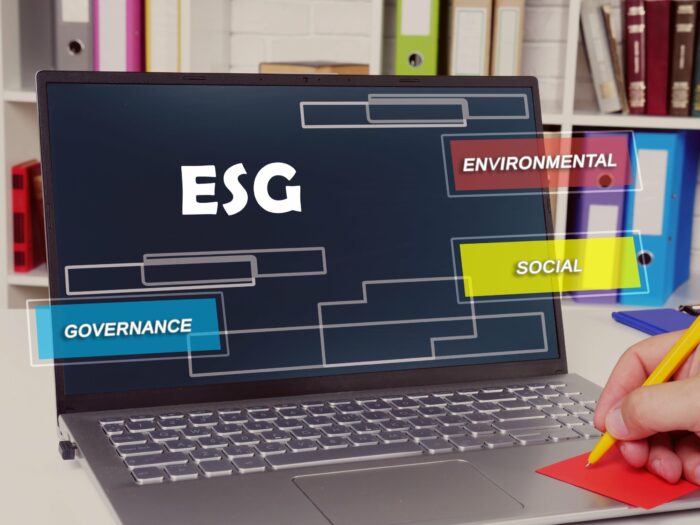
Despite the higher initial costs required, many top executives expect more organsiations to adopt more ESG practices.
Employers in Malaysia want to decide terms of flexi-work

Companies want to decide on the kind of flexible working arrangements that meet their needs and not be dictated to about such arrangements.
Employees in Malaysia offered flexible work options

From September 1, employees can submit written applications that can cover changes in working hours, working days and also the place of work.
Overtime to be calculated on a monthly basis in South Korea

The incoming government will address the country’s 52-hour workweek policy and the seniority-based pay models adopted by most companies.
Malaysian SMEs oppose 4-day workweek
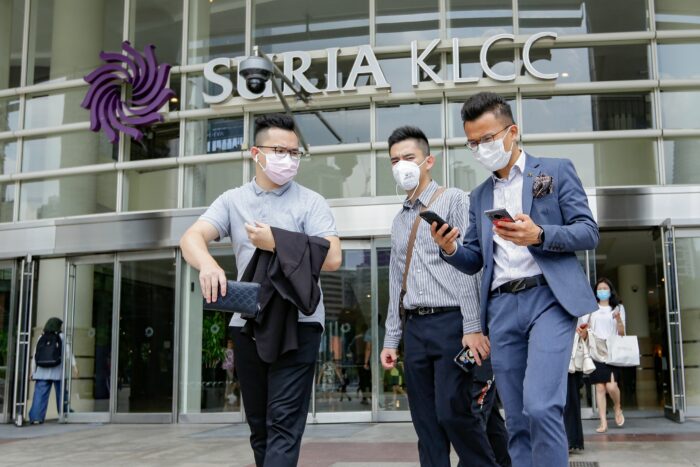
A four-day work week is not practical as Malaysia is currently facing low productivity and labour problems, businesses argue.
Civil servants in the Philippines offered flexible work options

Government agencies can now implement alternative work arrangements at any time for some 1.7 million employees regardless of their status of appointment.
More companies in Thailand embrace hybrid working

While more employees in Asia-Pacific are returning to the office, many companies in Thailand are continuing hybrid work arrangements.
Employees in South Korea can expect to work more years

Due to the shrinking working population in the country, the government is considering extending or abolishing the retirement age.
Firms in Japan can use internship evaluations in recruiting

The move, expected to speed up the recruitment process, comes as the government has designated June 1 as the start of the job hunting season.
What is the talent imperative for organisations today?

A new report by i4cp and Fortune Media highlights how high-performing organisations are attracting, developing, and retaining talent.
Malaysia makes amendments to Employment Act

Taking effect on September 1, these include the extension of maternity leave and readjusting the maximum weekly hours of work.
How HR leadership can continue to drive organisational success
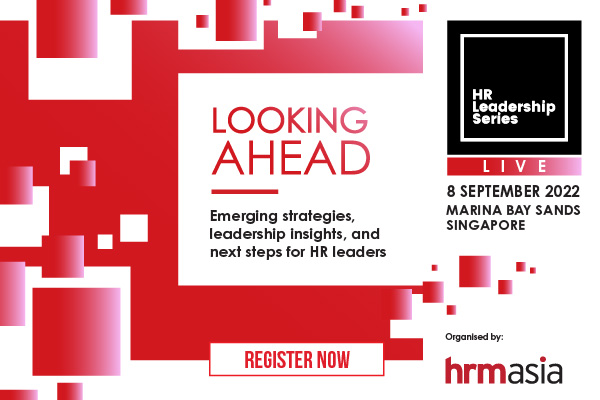
Organised by HRM Asia, the in-person HR Leadership Series 2022 will examine the role HR leaders can play in shaping work in 2023.
More Australian businesses try out four-day workweek

Organisations across a range of industries are gearing up to give Australian workers a four-day working week for six months with no cut to pay.
Calls for flexible work arrangements for frontline workers in Australia

These could include providing options for flexible rosters, shift swapping, job shares, compressed work weeks, split shifts and multi-skilling.
Role of remote work yet to be defined: Apple CEO

The key to a successful hybrid working arrangement is taking advantage of the strengths of both in-person and virtual engagement, says Tim Cook.
Transition to flexible work begins in the Philippines

Starting from June 15, new flexible work arrangements (FWA) in the public sector will cover 1.7 million employees.
Sustainable practices required for businesses to remain competitive

Growing awareness about the climate crisis has also changed how people define value in business, and what values a company upholds.
More South Korean firms embrace remote working arrangement
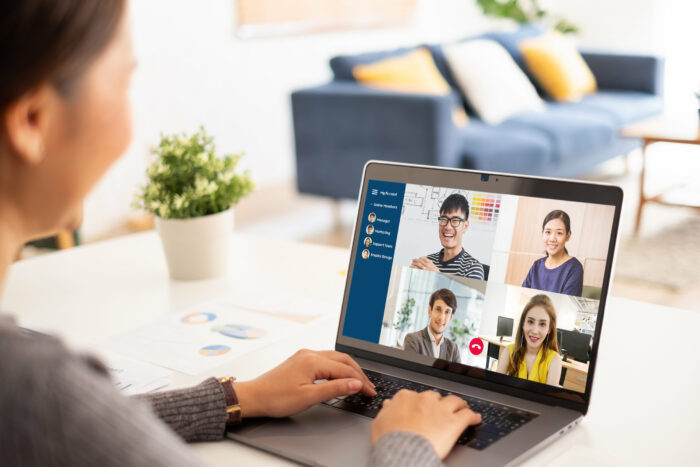
Others are adopting hybrid working arrangements, allowing workers to commute to coworking spaces nearby instead of company headquarters.
Four-day workweek trialled in Australia and New Zealand

The four-day workweek has been advocated by some organisations, as a platform that can boost a better work-life balance.
Creating a new way of working with Adaptable HR

Shaswat Kumar, SVP of Global Customer Success and Delivery, Darwinbox, chronicles how HR has evolved into the concept of Adaptable HR.
MSMEs in India urged to digitalise in post-COVID world

MSMEs are at the heart of India’s ambition to become a significant player and contribute to the global supply chain, said the Union Minister for IT.
Malaysia pushes for companies to adopt ESG standards

A social accountability scheme will advance the sustainability efforts of companies and will be in line with the UN’s Sustainable Development Goals 2030.
Flexible working shaping the future of work in ASEAN
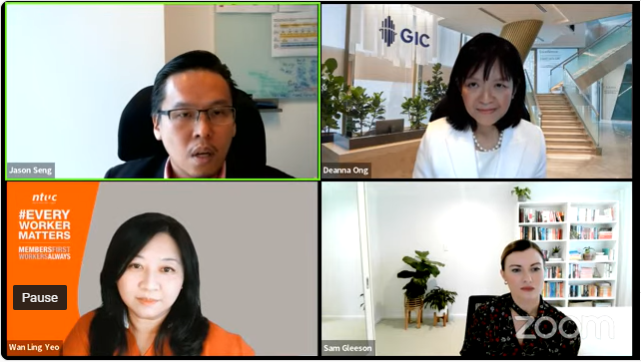
The ASEAN Future of Work conference examined the major shifts affecting the future of work in South-East Asia, including flexible work.
Addressing employee needs critical for sustained organisational growth
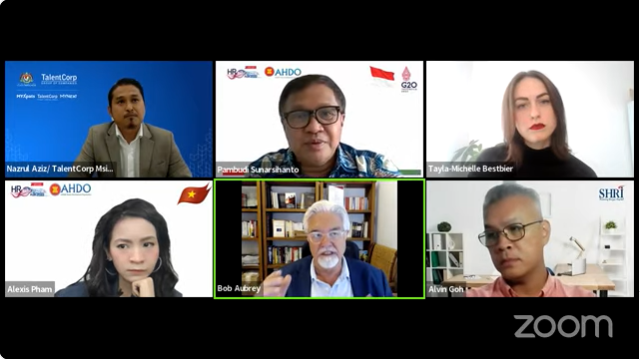
Moving to the virtual platform, HR Tech Festival Asia 2022 highlights why an organisation’s people are key to long-term success.
HR Tech Festival Asia 2022: What’s happening on Day 2
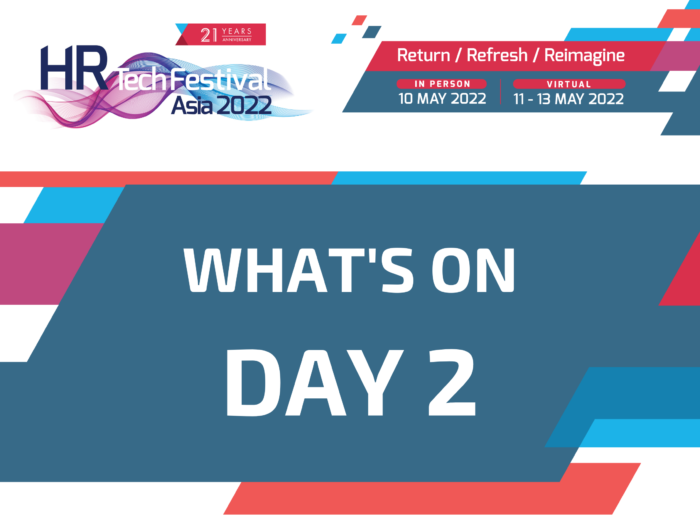
From May 11-13, HR Tech Festival Asia 2022 will be presented virtually, offering a lineup of global and regional HR leaders.
Asia’s HR community rethinks workforce and workplace strategies
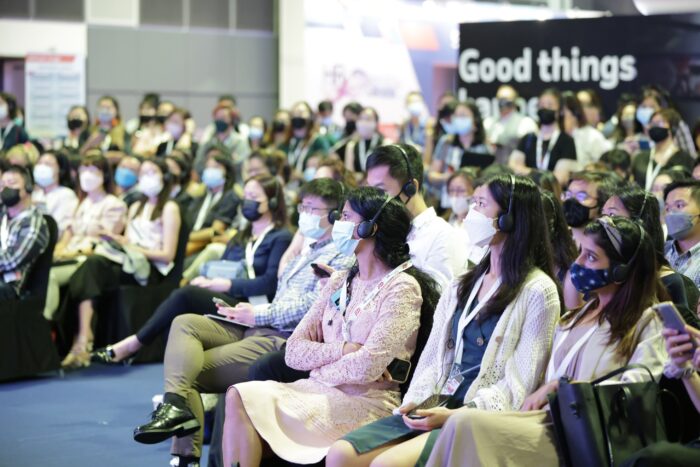
The in-person HR Tech Festival Live saw Asia’s HR community come together to discuss the role of HR in today’s world of work.
Singapore employers can decide on flexible work arrangements

Employers retain the right to decide on flexible work arrangements (FWAs) based on their operational needs.