
Change fatigue and AI: How leaders can keep teams thinking
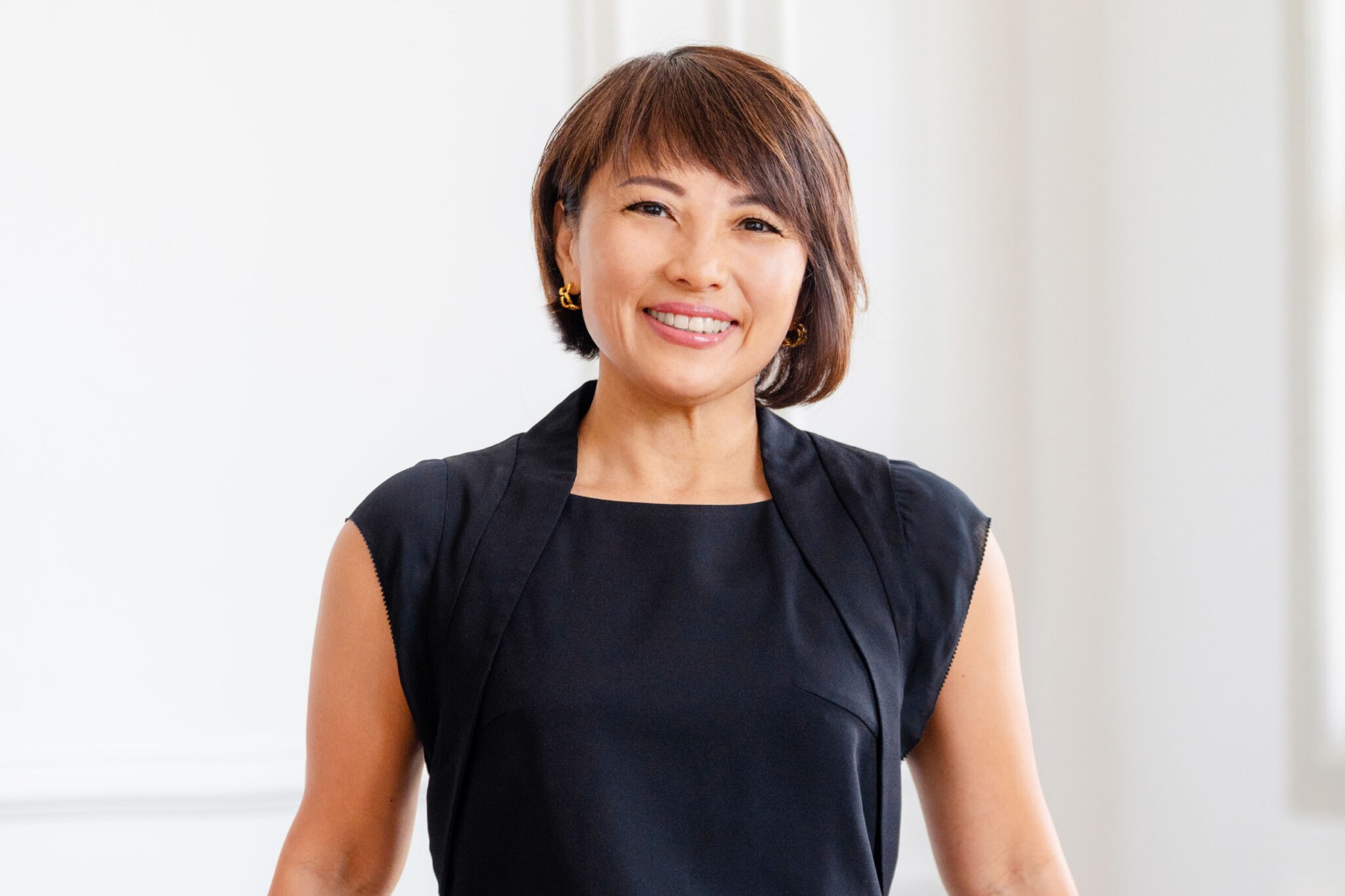
- Josephine Tan
- Topics: Features, Home Page - Features, Leadership, Restructuring
After years of restructuring, return-to-office mandates and now the steady push of AI into everyday work, many employees have grown weary of hearing that more change is on the way. Organisations, meanwhile, have little choice but to keep adapting.
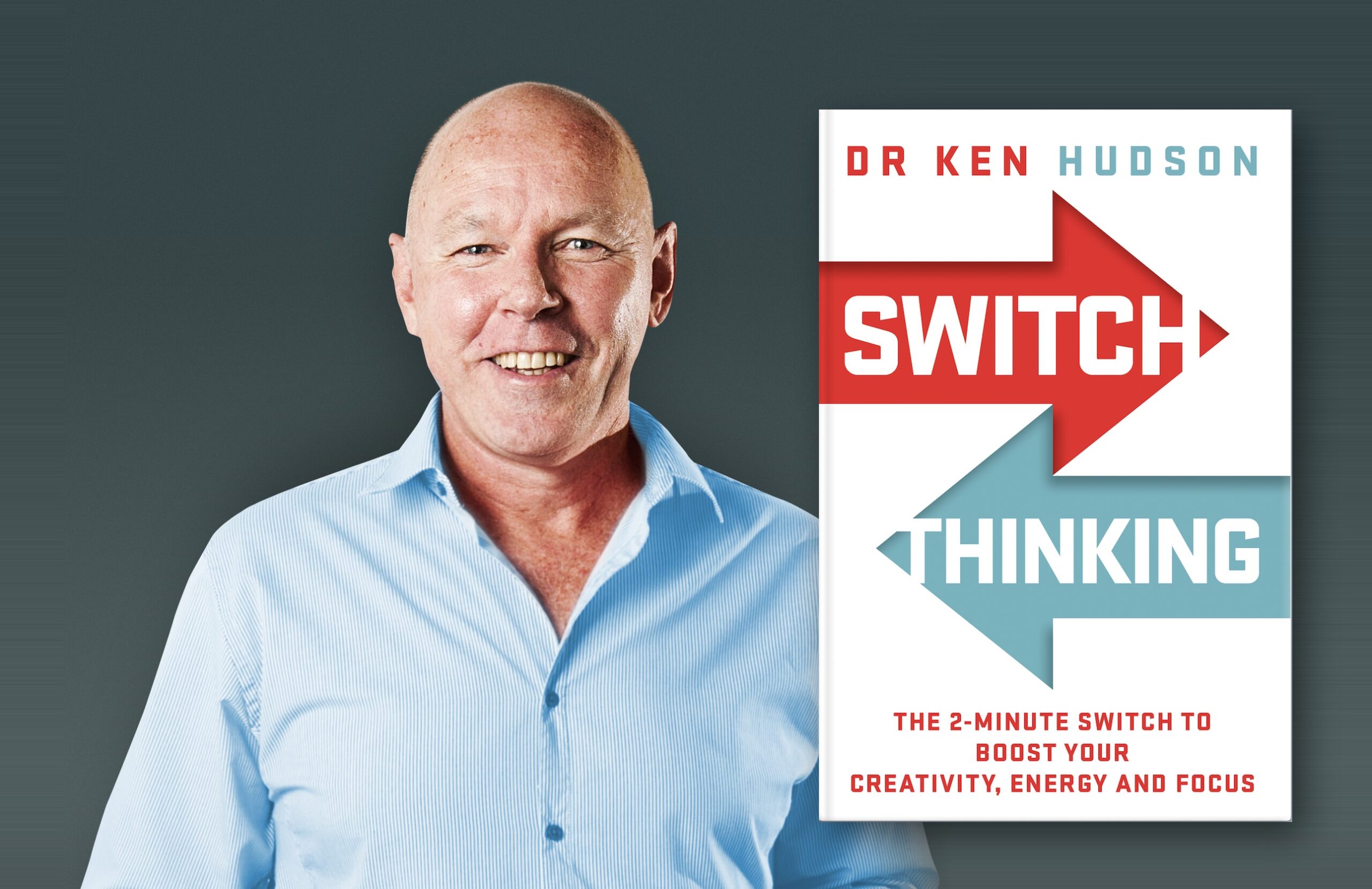
For Dr Ken Hudson, Author of Switch Thinking and holds a PhD in organisational creativity, part of the problem lies in how change is usually handed down.
“In organisations, change is often top down, permanent, never-ending and sometimes it is used as a way to reduce costs and people. And if you challenge the change, you can be identified as change resistant,” he tells HRM Asia.
On top of that are the changes people are working through on their own, he adds, from whether AI will take their job to what their next career move should be. “No wonder change is increasingly becoming hard work. Yet this is the dilemma: we know we need to change because the world is changing, but surely there is a better way?”
A lighter word for change
His suggestion is to stop framing it as change at all and to think in terms of switching instead.
People already switch all the time without noticing, Dr Hudson points out. They switch lanes on the road, switch the topic of a conversation, or switch their concentration on and off. The idea of applying this to thinking came to him at a conference in Singapore. The delegate seated beside him spoke to him in English, then turned and chatted with her colleagues in Mandarin.
“I am not bilingual, so I was in awe of her ability to switch languages seamlessly,” he recalls. “Learning to switch the language you use is a skill that can be practised and developed. I wondered, could you also learn to switch your thinking?”
That might mean moving from critical thinking to creative thinking, or to systems thinking, lateral thinking or imagination. He groups these into two broad modes. “Box Mode” is structured, linear, critical and efficient. Most people use it at work, but it is also where “you can get trapped in your own thinking box”. “Ball Mode” is looser, playful and imaginative, though without some grounding in Box Mode it “can result in numerous ideas that float away without ever being realised.”
“The key point is that these are modes of thinking, not types of people,” he says. “You can switch between the two modes depending on the situation, need or challenge.”
The switches themselves are often small. A team discussing employee retention might start with the usual questions, move to one it has never asked before, and then try a question that scares it. A leader looking for ideas that would improve the employee experience by 1% might instead ask what would make a 100% difference.
Dr Hudson keeps each switch to two minutes. He explains that the time limit creates urgency and stops people from filtering their ideas, and that the short burst means teams can do it every day.
“I have found that this is a more effective way to introduce change to a team without, paradoxically, using the word change,” he says. “You create a small win and this encourages an individual or team to try it again. Before you know it, you are building a more open and receptive change culture, one switch at a time.”
Keeping the thinking human
These habits matter more as AI takes on a bigger share of the work. A recent IBM Institute for Business Value study surveyed 1,500 CHROs and 8,800 employees. It found that 60% of employees worry AI is eroding their skills, and critical thinking was the skill they cited most often.
Dr Hudson sees the risk as real. “Just like going to the gym, if you stop exercising, your muscles will atrophy. I believe that thinking is the same,” he says. When people stop exercising that muscle, their own thinking weakens and they come to depend almost entirely on a machine. “What happens, for example, in a job interview when you must think for yourself?”
AI can process, analyse and sort information, he says, but the final judgement should stay with people. Moving between structured and imaginative thinking is part of that judgement, and he does not believe it should be handed over to AI entirely. The same language can shape how people use the tools themselves. A user can tell a generative AI (GenAI) assistant that its answer feels like Box Mode and ask it to switch to Ball Mode for more creative ideas.
“You own your own thinking. Do not give it up,” he says. “If anything, make it better so AI becomes your thinking partner, but you still lead.”
That still leaves the question of confidence. The same IBM study found that 41% of CHROs believe employees lack the confidence to challenge AI outputs.
Dr Hudson suggests leaders start by sorting a team’s work into three groups. The first is what people do well that cannot be outsourced. The second is what AI can already do better than people, or soon will. The first is what people can do better with AI. Empathy, relationships, final decisions on goals and priorities, and a team’s purpose and values belong firmly in the first group. Analysing large volumes of information and spotting trends sits in the second.
The third group is the one he finds most interesting. “In these activities, there is a kind of dance between humans and AI. Sometimes AI can lead, and other times humans can lead. But the final decision, responsibility and accountability are always human.”
He points to his own writing as an example. After drafting a piece, he asked ChatGPT for three suggestions to improve it. He accepted one outright, accepted another in part and rewrote a section, and ignored the third.
“Because I am ultimately responsible for what goes out in my name, I had the final say,” he says. He acknowledges that pushing back on AI takes some confidence and courage, but says treating it as a tool makes that easier. “Much like I use my sat-nav in my car, it maps out a suggested way to get to a destination, but I make the final decision on what route I take based on my experience, intuition and any changing traffic conditions.”
When hierarchy gets in the way
In many workplaces across Asia-Pacific, hierarchy also shapes who speaks up and when. Dr Hudson says a leader’s personality or a team’s culture can go a long way, but a shared language and a semi-structured process can help further.
He walks through how this might work. A team tackling customer complaints might begin with the usual framing of how to handle complaints better. It then switches the question to how a complaining customer could become an advocate. Each person spends two minutes coming up with six ideas, three of their own and three from AI. They then pair up, share what they have, and try to connect at least one of their ideas with their partner’s. Each small group brings its best ideas back to the wider team.
“Notice how this process encourages individual and group discussion and everyone is heard,” he says. “The extroverts or senior people do not dominate, as their ideas are treated in this process the same as everyone else’s.”
Innovation as everyday work
Dr Hudson applies the same thinking to innovation, which he splits into two kinds. The first is large and potentially disruptive, such as a new business model or a product launch into a new category. It usually needs a dedicated team, a budget and longer-term methods such as design thinking, and it carries higher risk along with the chance of higher returns.
The second is what he calls everyday innovation. Examples include a new staff recognition programme, a fresh approach to attracting graduates, or meeting rooms redesigned for collaboration. This kind of work carries less risk, moves faster, and builds creative confidence with each small win.
READ MORE: Every problem they solved had a precedent. That is the warning sign
“Both types of innovation are important and complement each other,” he says. “Small, bite-sized innovation can make a big impact over time, and disruptive innovation is often needed to ensure that the organisation stays ahead of the competition and what the customer expects.”
For leaders wondering where to begin, he suggests starting with the word “switch” in everyday conversation. A team might switch a question around, switch its perspective from the business to the customer for a few minutes, or switch from what is not working to what is working well.
“Using the word switch tells your brain what to do, creates movement, and signals to everyone that you want to explore, play and imagine new possibilities,” he concludes. “It is a powerful leadership skill for the new AI age.”