
Empowering people in the age of AI: Three essential skills for 2025
- HRM Asia Newsroom
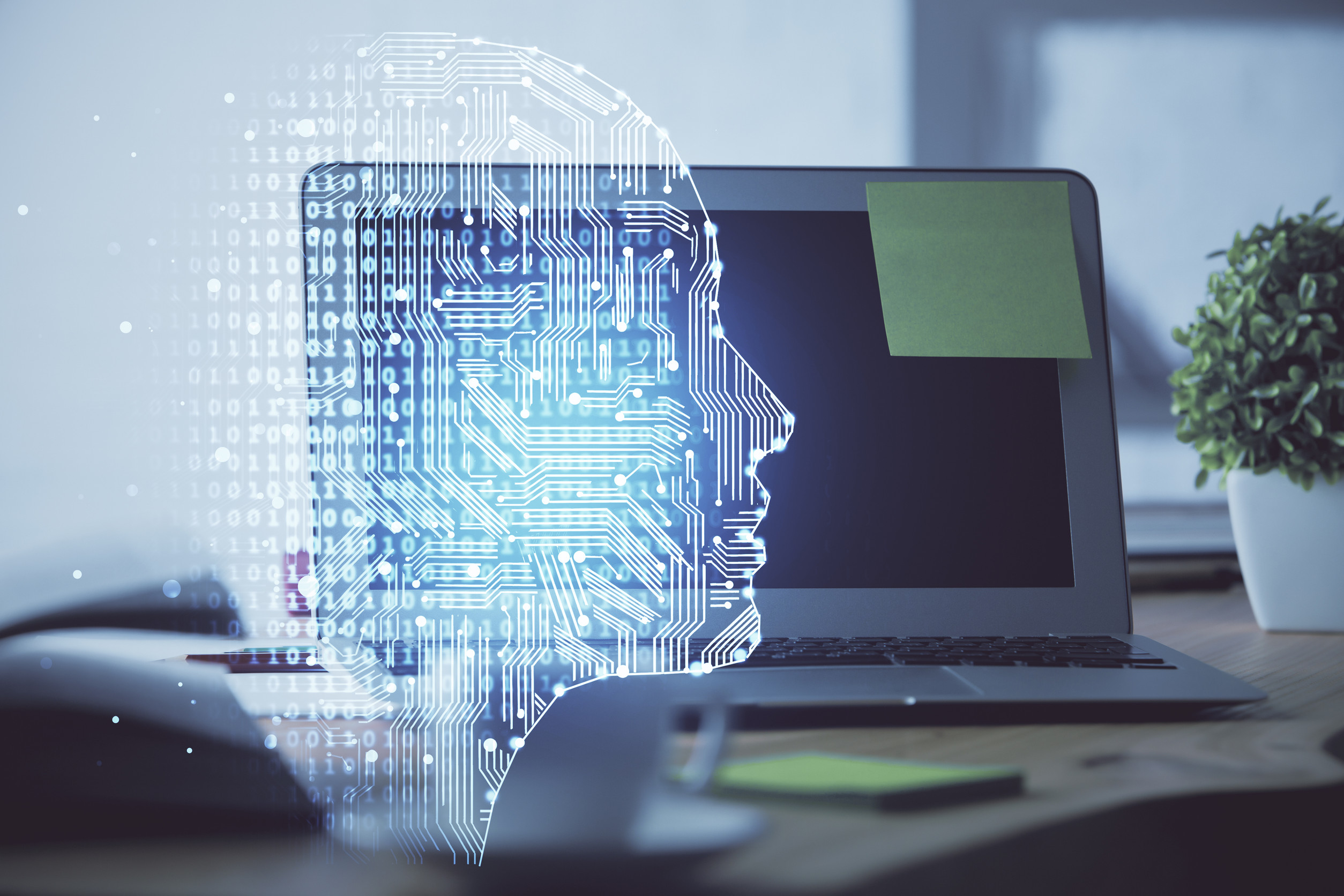
In 2024, the widespread adoption of generative AI (GenAI) was nearly impossible to ignore. From boardrooms to team brainstorms to industry conferences, the message was clear: AI is reshaping the future of work.
As we settle into 2025, nearly every conversation I have had with my team, our clients and our people has explored what comes next and what skills we will need to succeed. If AI is the new table stakes, what else do employees need to help futureproof their careers and thrive?
Three skills for 2025, thanks to AI
Here are three skills that will likely be key this year:
Enhanced collaboration
AI’s impact is only as strong as the people behind it. Successful integration demands not just tech adoption but also strong human collaboration. In 2025, your workforce could effectively double with the addition of AI agents, making it essential to move beyond surface-level technology use to fostering stronger team dynamics.
As employees begin to work with AI agents on more complex challenges, they would not want to navigate this journey alone. That is why this year, enhancing collaboration among teams and individuals will be just as critical as seamlessly integrating digital employees into workforce strategies.
The more we create shared experiences to explore AI, the more likely people will continue leveraging it in their day-to-day work. Organisations should be intentional about offering ongoing, interactive opportunities to help their people connect around this ever-evolving technology.
Since March 2024, our organisation has hosted AI prompting parties to give our people and teams hands-on experience with GenAI tools. Through over 500 of these “parties” of varying sizes hosted across multiple functions, participants have had opportunities to share useful prompts, iterate on new prompts, practice prompting techniques and connect with one another. They share tips and tricks, successes and lessons, all while fostering a culture of continuous learning and innovation.
As organisations consider how to use AI in new ways, it is just as important to challenge employees to collaborate in new ways.
Problem-solving and critical thinking
At a time where technical AI skills are front and centre, we cannot lose sight of the human skills that drive success. Nearly nine out of 10 (88%) CHROs say they have a plan in place for upskilling their workforce to successfully implement AI and GenAI. While AI supports human ingenuity and enhances efficiency, there is still no substitute for human decision-making and judgement. Integrating AI into any workforce requires equipping employees with the necessary problem-solving and critical-thinking skills.
Successful teams will combine the innovation of AI and the creativity and judgement of people. This belief is echoed in how our people are prioritising their own learning: While AI-related learning dominated searches in our learning platform over the last year, leadership and inclusion also ranked among the top five. These human-centred skills are critical to using technology effectively, empowering people to better interpret AI outputs, address complex issues and make well-rounded decisions that AI alone cannot provide.
In 2025 and beyond, these skills will be key to sparking innovation, fostering adaptability and bringing out the best in both people and technology.
Navigating AI risk and governance
Trust is the foundation of successful AI adoption. It is what allows people, clients and communities to see AI as a tool for progress rather than a source of uncertainty—and trust is earned.
In 2024, responsible AI practices were top-of-mind for executives, but gaps in consistency remained. In 2025, that approach would not be enough. Leaders will need to treat AI governance as a central part of their operations, not just something addressed in isolated parts of the business. Building trust will require organisations to embed responsible AI practices into every step of upskilling and adoption, with clear and transparent governance to manage risks and create lasting value from AI investments.
Employees need to feel confident evaluating AI outputs—spotting inconsistencies, questioning data sources and addressing any potential bias. These skills are essential and will only become more important as AI becomes intrinsic to operations, with employees and clients relying on it daily. From the start of our My AI upskilling initiative, responsible AI and responsible use of GenAI tools have been central to our training and will continue to be. Diligence around responsible AI is not a one-time effort; it should be an ongoing commitment that we uphold as AI continues to evolve.
AI is not a shortcut—it is an enabler. When we pair technology with human experience, we can increase value and unlock new opportunities for everyone. With these three skills for 2025 top of mind, employees with the right tools and guardrails will have what they need to challenge the status quo. A new year calls for new skills—there is no better time to rethink how existing work is done, what previously unsolvable problems can be addressed and what new products and services are possible with AI.
About the Author: Yolanda Seals-Coffield is PwC US Chief People and Inclusion Officer. This article was first published on HR Executive.