
Four ways CHROs must redefine HR’s value as AI redefines work
- HRM Asia Newsroom
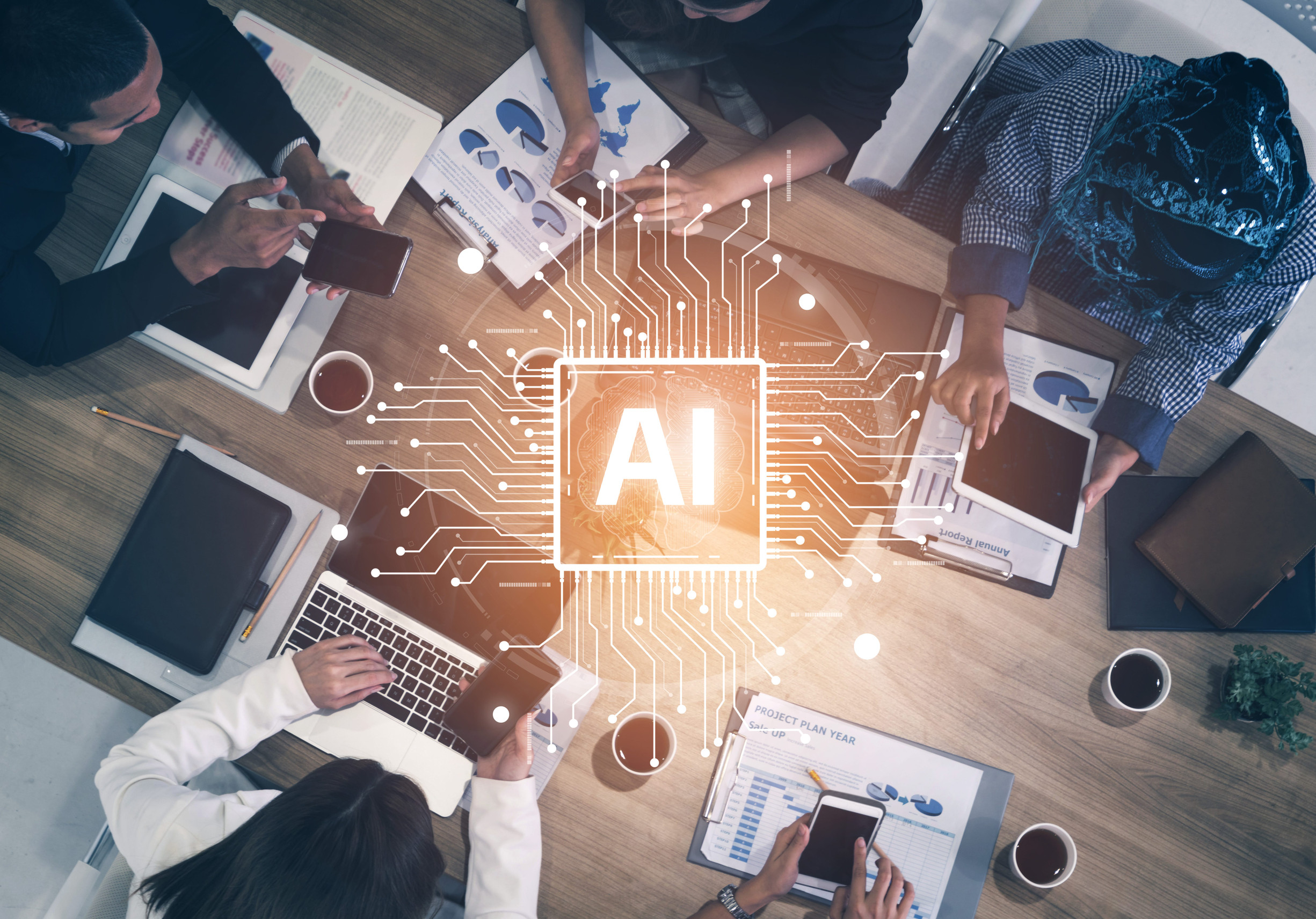
A 2025 Gartner survey of 110 CHROs found that approximately 50% aim to use AI to reshape work by 2026. As AI automates many traditional administrative tasks, HR must find new ways to create strategic value. Increasingly, that value will come not just from managing the workforce, but from designing and evolving the work itself.
What is changing now is not simply the speed of work, but decisions around the work itself. HR leaders are no longer only deciding how many people to hire or where to deploy them. They are deciding which outcomes require human judgment, which can be standardised, and which should be delegated entirely to AI. They are redesigning roles and entire workflows and inventing new kinds of work as well.
These choices will impact skill needs, career paths, employee wellbeing, talent pipelines, employees’ professional and personal identities, and more. Organisations need HR to help determine what work humans should do, as well as to continue to enhance its traditional role in supplying and supporting the workforce.
HR is well-positioned to deliver this new kind of value due to its enterprise-wide view of roles and ways of working, impartiality and expertise in human elements of change and transformation. Doing so, though, will require a true transformation of the function and its value proposition, not just the kinds of efficiency and service-delivery improvements that recent HR transformations have promoted.
By focusing on work design and evolution, HR can directly influence two of the most important differentiators in the AI era: the workforce and how work gets done. To achieve this, CHROs must redefine HR’s role in four key ways:
Build a flexible talent supply
HR will still deliver value by ensuring the organisation has the talent it needs to do the work it has defined. What changes is how that value is delivered. HR will have to regularly adjust the supply of talent as the competitive landscape changes, finding and training talent faster and deploying more quickly.
Instead of relying on slow, linear talent processes, HR should manage “talent products” that can be combined and adapted to meet changing needs. These might include reskilling programmes, internal mobility platforms and external talent pipelines.
CHROs can begin making the necessary shift by helping their teams think in terms of value streams. They should identify a key HR outcome needed today and map the value stream associated with it: the end-to-end activities and associated HR roles that drive the outcome.
Guide human-and-machine work decisions
As AI becomes embedded in workflows, organisations must decide how to divide work between humans and machines. These decisions are complex and consequential. AI is creating more trade-offs and risks around how work gets distributed and even what work is most important. There is no current best practice for positioning human versus technology talent, but these decisions increasingly shape career paths, employee trust, skill needs, and eventually, organisations’ long-term competitive positioning in the market.
HR must step into a governance role, helping leaders understand the implications of these decisions. CHROs must guide and govern human-machine work decisions, with accountability for ensuring decisions are intentional, transparent and aligned with long-term workforce and business priorities. This accountability gives CHROs the standing to influence how work evolves at the highest levels of the organisation. CHROs can start by prompting discussion about the impact of AI investments on talent and, eventually, other parts of the organisation’s operating model, either in a central AI steering committee or in conversations with business leaders.
Co-lead the redesign of work
AI often underdelivers when layered onto existing roles and workflows. Employees either face friction trying to use new tools in old workflows, or they underutilise the time AI frees up. This challenge will only continue to increase as human work increasingly focuses on creative and critical thinking. It will require a new design and governance to create a safe-to-fail culture, ensure employee wellbeing and make diverse connections this kind of work needs to flourish.
Based on an analysis of a July 2025 Gartner survey of 1,973 managers, business units that redesign how work gets done, rather than just deploying AI and encouraging employees to use it, are twice as likely to exceed revenue goals. Building on its growing expertise in organisation design, change management, and human-machine interaction, HR must co-lead the enterprise-wide transformation of work.
READ MORE: Samsung’s AI overhaul starts in the boardroom – then reaches every employee
CHROs can take a first step by co-leading workflow diagnostics with the executive team and asking HRBPs to run similar diagnostics within their business units. The goal of a workflow diagnostic is to identify handoff bottlenecks, pain points, and gaps within workflows that AI has exacerbated or could improve. By focusing on critical workflows where AI has already been applied or is positioned to make the most impact, HR moves beyond supporting AI transformation to driving it.
Use AI to optimise workforce support
As HR deploys AI, especially AI agents, HR service delivery will increasingly happen through platforms that remove low-value administrative work from employees’ and managers’ workloads or make it more efficient. Platforms will also increase personalisation of HR services and prompt performance-driving activities for managers, employees and leaders.
According to a November 2024 survey of 456 CEOs, 56% said they would use AI to de-layer most middle-management roles within the next five years. In this context, optimised service delivery becomes even more important to ensure managers spend time delivering the right support to employees they might not see or interact with as frequently.
CHROs can start delivering optimised workforce support by evaluating AI technologies that strengthen HR self-service, testing the highest-priority use cases in focused pilots and building service delivery that can run with limited human involvement without drifting from the intended employee experience. When emerging technology is fitted to real workforce needs and business objectives, adoption becomes much easier to sustain. With business partners invested in that adoption, CHROs can redefine HR’s value by shedding obsolete work and concentrating their time and attention on what directly drives performance.
About the Author: Blakeley Hartfelder is a Senior Director Analyst in the Gartner HR practice. This article was first published on HR Executive.