As Indonesia’s telecommunications sector accelerates its shift into the digital economy, Indosat Ooredoo Hutchison is redefining not only its business model, but also the role of HR at the heart of transformation.
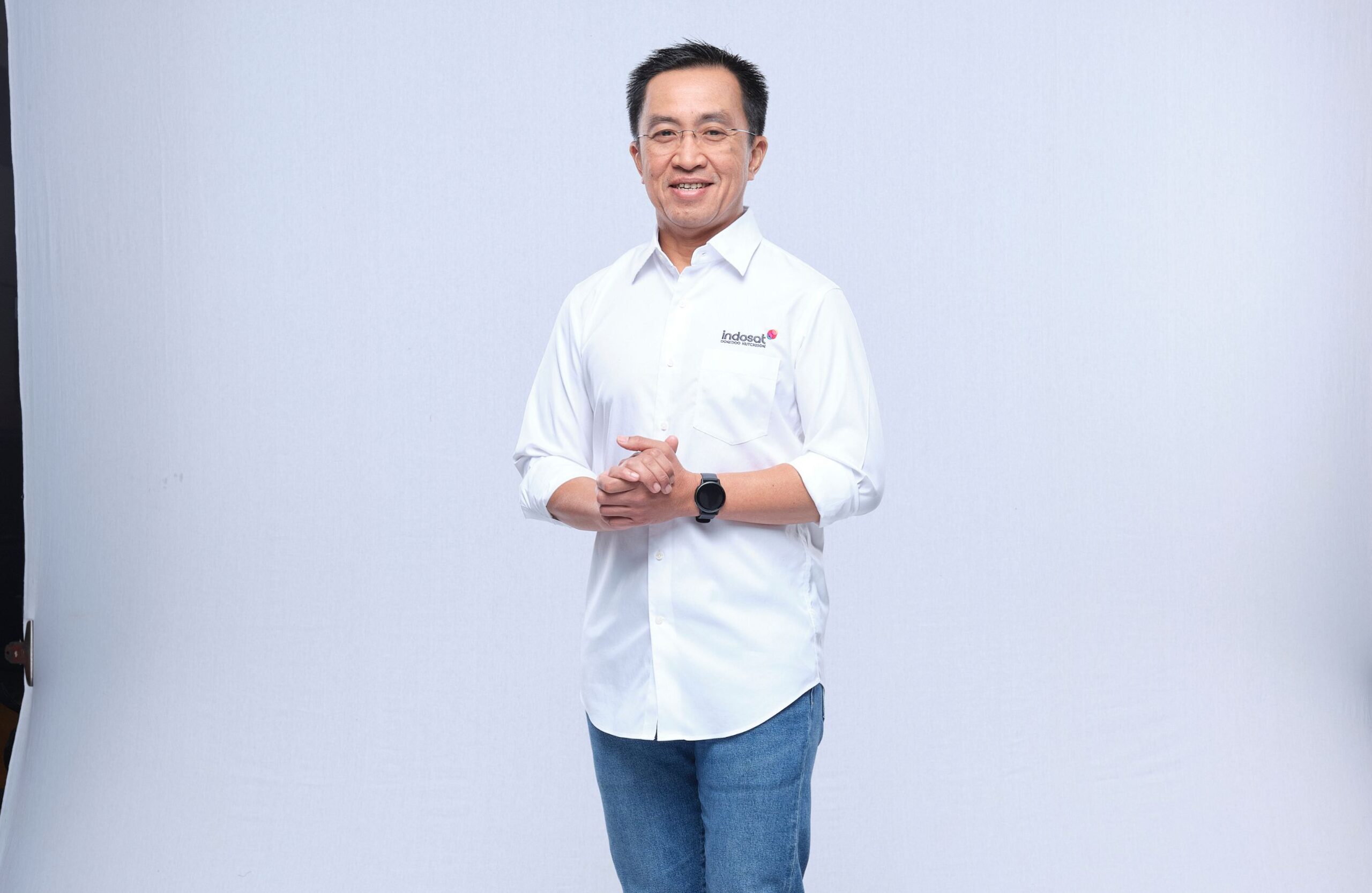
For Irsyad Sahroni, Director and Chief Human Officer, the organisation’s evolution from a traditional telco into a technology-driven organisation begins with a fundamental reset in how people are viewed and developed. Rather than positioning HR as a back-office support function, Indosat placed HR at the centre of its transformation agenda from the very start.
“To truly transform the organisation, the starting point is not changing how we run the business, but changing how we think about people,” Sahroni tells HRM Asia. “Transformation begins with a mindset, and that places people at the centre of the journey.”
HR was deliberately chosen as the first function to undergo transformation, serving as a testing ground for new ways of working before scaling them across the enterprise. By reshaping mindsets, redefining work practices and embedding behaviours centred on agility, collaboration and data-driven decision-making, the HR team became an internal role model for the wider organisation. Today, HR operates as a strategic partner that actively shapes change through leadership, policy and governance.
This people-first approach is particularly critical as Indosat democratises access to AI across its workforce. With more than 3,000 employees, the organisation’s biggest challenge is not resistance to technology, but the risk of widening capability gaps as AI tools and models evolve rapidly.
“The risk is not resistance, but capability gaps—where employees feel they are falling behind,” Sahroni notes. Indosat’s ambition is to make AI a baseline capability for every employee, rather than a specialist skill confined to technical teams.
To achieve this, the organisation has prioritised hands-on adoption over classroom-style training. Through the SATU Innovation Hub, employees are encouraged to experiment directly with AI by developing structured business cases and executing projects with measurable outcomes within months. The initiative is designed to build confidence, normalise experimentation and cultivate a “fail-fast, learn-fast” mindset that reduces fear and accelerates learning.
READ MORE: Building an inclusive and engaged workforce by putting people first
Looking ahead, Sahroni believes Indosat’s long-term competitiveness will depend less on isolated technical skills and more on building an organisation capable of moving at speed. Over the next three to five years, the most critical capability will be an agile way of working, supported by empowered squads, fast decision cycles and strong cross-functional collaboration.
This operating model, he said, is essential not only to sustain innovation, but also to attract tech talent seeking autonomy, ownership and meaningful impact. At the same time, Indosat continues to strengthen its foundations in large-scale AI solutions and high-quality data platforms.
These priorities are now embedded in the organisation’s evolving Employee Value Proposition (EVP). Beyond competitive rewards, Indosat is positioning itself as a platform for purpose-driven innovation, offering employees the chance to co-create what Sahroni describes as a “global AI-native lighthouse.”
“Talent joining Indosat is not only about building technology,” he concluded. “They are helping shape a reference model for how an AI-native organisation can be built at a national scale, with real-world impact.”