
Singapore’s workforce is being pulled in two directions at once. On one side, an ageing population is quietly shrinking the active labour pool – more than one in five citizens is now aged 65 or above, a share set to reach one in four by 2030, and the country officially joins the ranks of “super-aged” societies this year. On the other, AI is compressing the time organisations have to adapt, with nine in 10 organisations globally already reporting that it is transforming how work gets done. Together, these forces are making one thing clear: the old model of workforce management – stable roles, predictable headcount, linear careers – is no longer equal to the moment.
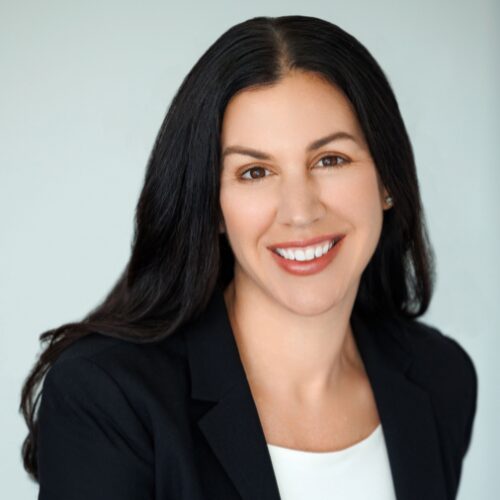
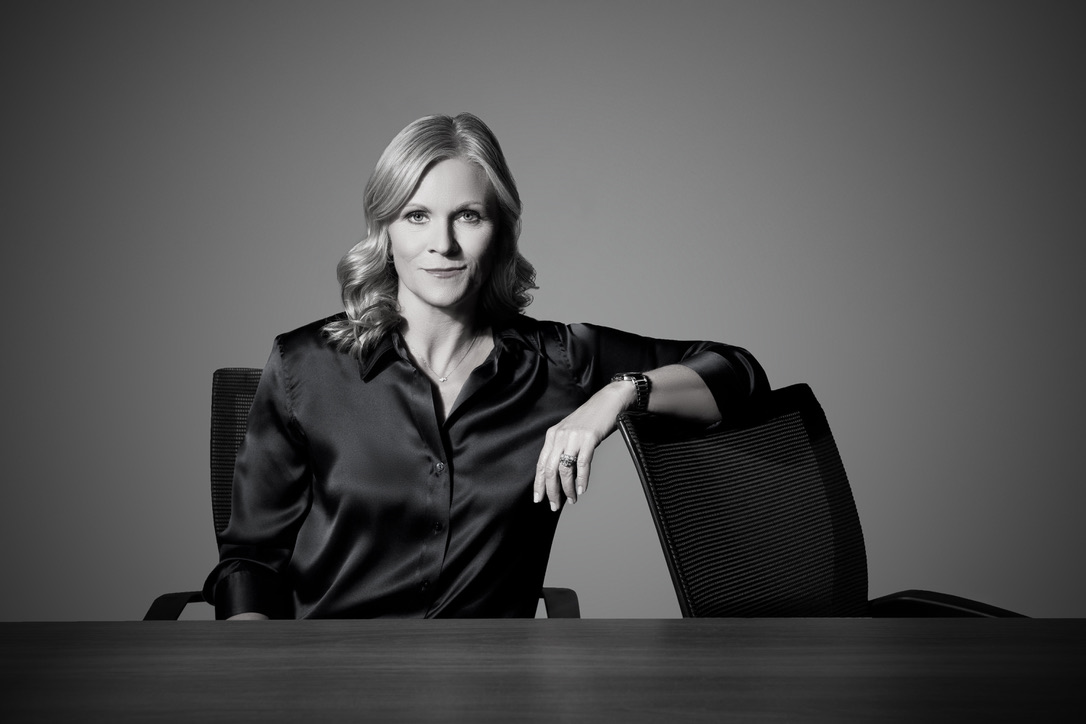
Rebecca Adams has been watching these shifts converge for some time. As Chief People Officer and Chief of Staff to the CEO at Cohesity, she has developed a clear point of view: the organisations that will navigate this moment are those willing to abandon the old logic of how work gets done. “High performance used to be defined by stability, fixed roles, predictable headcount, and clear hierarchies,” Adams tells HRM Asia. “Today, it’s defined by speed, adaptability, and clarity of outcomes.”
The practical implication is a move away from role-first thinking towards skills and outcomes-first design. At Cohesity, that means hiring for capability and learning velocity rather than tenure. “A growth mindset and critical thinking are imperative,” Adams says. “Roles evolve quickly, and we need people who can evolve with the business.” It is an approach increasingly reflected across the industry – data from the PwC Global AI Jobs Barometer reveals that formal requirements for AI-exposed roles have already dropped from 66% to 59% in the past year alone, as employers prioritise demonstrated adaptability over credentials.
Trust by design, not by default
As fractional and distributed work gains traction in Singapore – with the government’s own careers platforms now actively profiling fractional roles as a mainstream option – the question of how to maintain accountability without resorting to surveillance has become pressing. Adams is direct about the misconception she encounters most: “One of the biggest mistakes is thinking that distributed work requires less accountability. In reality, it requires more discipline.”
At Cohesity, the response has been to make expectations, communication norms, and shared responsibility explicit, while deliberately defaulting to trust rather than monitoring. Team-level patterns inform manager conversations; individual surveillance does not. “Trust is deeply human,” Adams says. “It’s built through consistency, fairness, and follow-through. In a distributed environment, trust also has to be reinforced by design, with clear expectations, transparent communication, and metrics that prioritise outcomes over visibility.”
The silver tsunami is not a crisis – if you redesign for it
The anxiety around Singapore’s ageing workforce is understandable, but Adams thinks it is rooted in a flawed promise. “It’s only a crisis if one assumes careers are linear and finite,” she says. “When you design for multistage careers, the so-called ‘silver tsunami’ becomes a strategic advantage.”
Experienced employees bring something that cannot be quickly acquired – judgment, contextual perspective, and the kind of stability that becomes more valuable as business complexity increases. The challenge for people leaders is to redesign work structures so seasoned professionals can continue contributing in ways aligned to their current life stage, rather than forcing a binary choice between full-time employment and full exit. Fractional arrangements, phased transitions, and advisory roles are among the models gaining traction as organisations begin to treat experience as an asset to be redeployed rather than phased out.
READ MORE: Made for all, hired from all: The philosophy driving UNIQLO’s HR strategy
The intergenerational dividend is a further argument for this approach. Early-career employees who learn alongside seasoned colleagues gain access to tacit knowledge that no onboarding programme can replicate. At Cohesity, mentoring and internal mobility are the primary mechanisms for making this happen. “When organisations combine internal mobility with continuous learning,” Adams says, “they create circular ecosystems where employees can reskill, re-enter, and re-engage over time. In that model, experience compounds value.”
Keeping culture coherent
Underpinning all of this is a more fundamental challenge: how does an organisation stay coherent – in identity and institutional memory – as its structure, headcount, and working arrangements shift constantly? For Adams, the answer begins with a clear-eyed rejection of culture as decoration. “Culture only works if employees feel it in everyday decisions and situations,” she says.
At Cohesity, values and behaviours are made operational, embedded into leadership expectations, performance conversations, and recognition practices rather than left as aspirational statements. Equally important is ensuring that knowledge lives in systems, not just in individuals. Strong onboarding, searchable internal knowledge bases, and consistent listening mechanisms are the infrastructure through which institutional memory – the context behind decisions, the lessons learned, the narratives that shape how the organisation operates – is preserved and transferred as teams change. “When values, behaviours, and knowledge are intentionally reinforced,” Adams concludes, “the organisation stays cohesive, even as the ways we work continue to evolve.”