The tool users and the outcome-getters: Hiring’s new diving line
- Josephine Tan

The premium is no longer theoretical. PwC’s 2026 Global AI Jobs Barometer puts the average global wage premium for AI-skilled employees at 62%. In Singapore, its analysis of 1.6 million job postings found premiums running from 36% to as high as 107% in the public sector, and 82% of that demand sat in everyday “AI user” roles, not specialist technical ones.
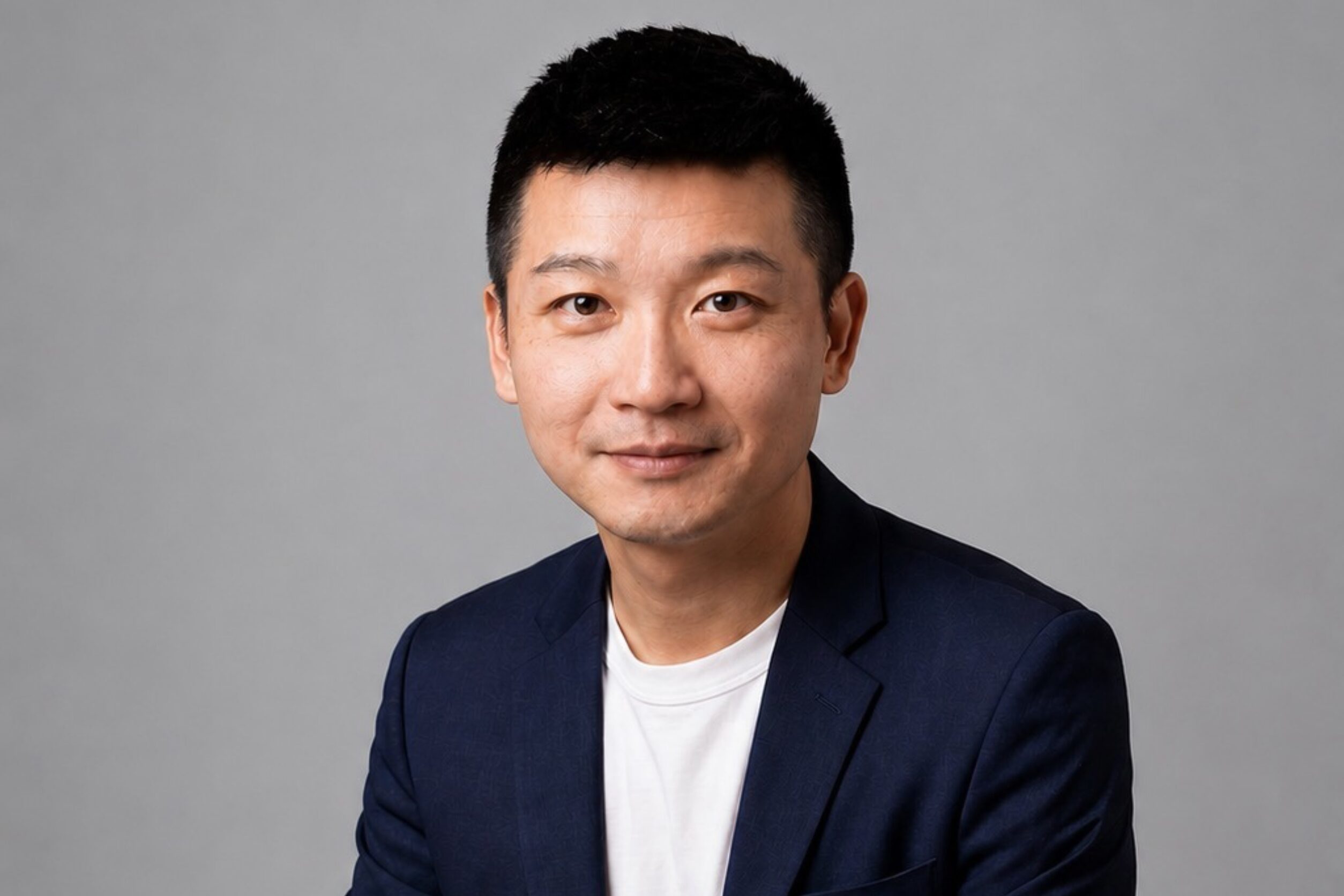
So the money is real. The problem, according to Kazunori Fukuda, Managing Director of Sansan, is that most organisations cannot yet tell who deserves it. Fukuda oversees the organisation’s business in Singapore and Thailand, and his read on this comes from the inside: Sansan runs an AI-first policy organisation-wide, with adoption above 99%, and he has spent the past two years managing what that does to a workforce day to day. In an interview with HRM Asia, he set out where he thinks hiring, pay and graduate development are all quietly breaking.
His starting point is blunt. Most of the evidence candidates offer is close to worthless.
“Most ‘AI portfolios’ I see are really just a list of tools someone has clicked through, and that tells a recruiter almost nothing,” he says. A portfolio that means something shows the whole chain of judgment behind a piece of work: the problem being solved, what went into the AI, how the answer was checked or fixed, and what changed because of it. Hours saved. An error caught. A decision made faster. “If a candidate cannot walk you through that last step, they are describing a tool, not a capability,” he says.
Ask a better question
The fix, in Fukuda’s telling, is a better interview question. Drop “do you use ChatGPT.” Ask instead for one real workflow, narrated end to end, then ask what the person would have done differently if the AI’s first answer had been wrong. That is the moment the pretenders show. Someone who understands the work can tell you where it might have gone wrong; someone operating an interface cannot.
Sansan looks for two things when it hires, he says: the judgment to know whether an output is right, and the clarity to instruct the AI properly in the first place. Neither shows up on a tools list. Fukuda ties this to a wider move in hiring, pointing to SHRM-backed research that finds 73% of employers now weigh demonstrated skills above credentials. The habit most candidates have not caught up to, he adds, is checking their own outputs against a business result.
Pay for the skill without breaking the band
The same habit, or its absence, is where the pay question gets awkward.
Fukuda’s advice to HR leaders is to hold the line on salary bands. Do not inflate a whole job title because a handful of people in it happen to be AI-fluent. Sansan took a different route: it built AI use into the performance review itself. Two people in the same role can come out of a review differently, depending on what their AI use actually delivered.
He argues this protects internal equity while still rewarding the skill, because everyone is measured against one framework. It also fixes a timing problem. A one-off “AI premium” bolted onto a salary is hard to defend a year later, once half the team can do the same thing. A competency reassessed every cycle simply moves with the workforce.
On the numbers, Fukuda is careful. Singapore is a signal, he says, not a template. Its labour market runs ahead of its neighbours, so it shows the direction of travel, but the figures will not map neatly onto Vietnam or Indonesia, where infrastructure and adoption are still catching up.
Getting to 99%
Fukuda is quick to puncture the idea that adoption is a procurement exercise.
“The real work was rebuilding how people’s roles were defined,” he says. The licences were the easy part. Sansan named 2025 its “AI-First” year and put a dedicated onboarding team behind it, whose only job was building practical fluency across the business. It also set up a cross-functional “AIX Office” that pulled non-engineers into work once treated as strictly technical.
READ MORE: Culture co-creation: The key to building a truly global organisation
What made it stick was repetition, not the launch. Organisation-wide study sessions and case-sharing forums, running on a schedule. A standing slot at all-hands where employees present real outcomes they got from AI. Reviews that reward those outcomes, not the mere fact of using a tool. “People do not adopt a new way of working until they see, repeatedly, why it matters to them personally, not just to the organisation’s efficiency numbers,” Fukuda says.
The vanishing first job
The part that worries him most is structural, and it lands hardest on graduates.
The repetitive, low-stakes tasks that juniors once cut their teeth on are exactly the tasks AI now does. Fukuda cites the same PwC Barometer: AI-exposed entry-level roles are seven times more likely to demand senior-level skills such as judgment and leadership, and those roles have grown 35% since 2018 even as other entry-level jobs fell 10%. The old apprenticeship, where a graduate built instinct by grinding through low-stakes work, is disappearing with the work.
His answer is to rebuild that apprenticeship on purpose. Put graduates in front of real judgment calls early, correcting AI output on live problems under close supervision, instead of parking them on busywork until someone decides they are ready. Sansan has watched a version of this with its senior employee: when AI took over data entry, the best performers did not deskill, they moved up to harder questions faster, so long as a manager was there to coach the calls AI cannot make. Build that mentoring into the first year, Fukuda argues, or graduates arrive fluent in AI and short on the business sense it is supposed to sit on top of.
Across all three questions — how organisations hire, how they pay, how they bring graduates through — Fukuda keeps landing on the same distinction. Using AI is not what is being measured. Being able to show what it changed is.