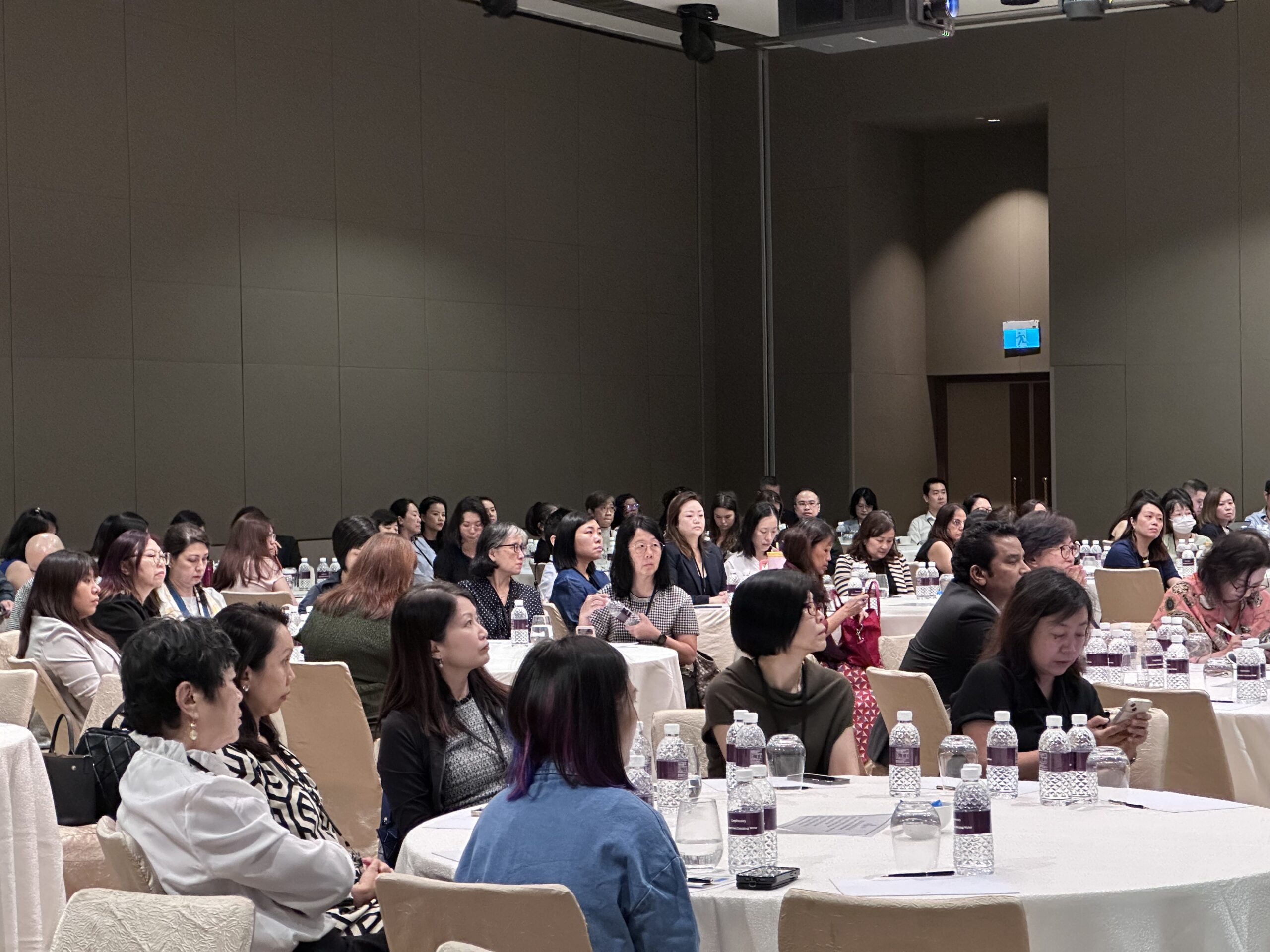


“Who has an idea? Any questions? Any comments?” This is a common scenario where a leader invites team members to speak up in a meeting. Instead, there is silence. Team members avoid eye contact by looking down or away.
As a leader, have you faced this awkward moment of uncomfortable silence where your team hesitates to speak up? A sense of unease fills the air—a looming fear of speaking openly. Team members may think, “What if I say the wrong thing? What if my question seems foolish? What if I share a problem or ask for help—will I be reprimanded, humiliated, or seen as incompetent?”
These “what ifs” and past negative experiences create a fear of asking questions, sharing ideas, reporting problems, and seeking help in a team. When team members feel psychologically unsafe, it diminishes the team’s ability to step out of its comfort zone and embrace change, innovation, and continuous improvement. Without psychological safety, an organisation loses its competitive edge, as human-centric skills such as listening, learning, empathy, curiosity, and collaboration are critical in the age of AI and emerging technologies.
Leaders may encourage discussion, but team members may misunderstand or misinterpret their intentions. To create the conditions for psychological safety in the meetings, it is not just talk but how we talk as leaders. How leaders communicate influences how their teams think, feel, and act. Leaders must take ownership of their conversations to foster psychological safety and ensure their intentions are clear and impactful.
Kevin Eyre, Creator of SoundWave, developed a socio-metric model of human social interaction that examines the quality of verbal conversations. According to Eyre, there are three verbal styles known as Ask, Suggest, and Tell, each with three verbal strategies, making a total of nine strategies.
- Ask: Inquire, Probe, Diagnose
- Suggest: Articulate, Advise, Advocate
- Tell: Critique, Correct, Challenge
Among the three verbal styles, the Tell verbal style and the voice strategies of Critique, Correct and Challenge can unintentionally create a psychologically unsafe environment. For instance, if a team member presents an idea and the leader critiques it by focusing only on its flaws, corrects the team member for not following guidelines, or challenges the proposal without listening, it discourages open communication.
READ MORE: Shift the needle of improving mental health through leadership behaviour
When leaders frequently use Critique, Correct, and Challenge without using other voice strategies, team members may feel judged, unheard, or even threatened. Over time, this creates a team environment where employees hesitate to contribute, fearing reprimand or dismissal. This results in disengagement, reduced collaboration, and poor decision-making, leading to groupthink and suboptimal solutions.
To build psychological safety, leaders should begin with the Ask style, using inquiry and probing voice to understand team members’ perspectives before using Critique, Correct, or Challenge voice strategies.
Leaders can also use the verbal style of Suggest and the voice of Articulate by summarising what the team member has said, demonstrating active listening. When team members feel heard and understood, leaders can then Probe further for clarity, Diagnose for solutions and provide Advice based on expertise. Finally, Critique, Correct and Challenge can be used constructively to educate, refine ideas, and offer alternative perspectives.
By mastering the Ask, Suggest, and Tell styles and applying the nine verbal strategies thoughtfully, leaders can cultivate a psychologically safe environment. This empowers team members to speak up, contribute meaningfully, and drive the organisation towards success.
About the Author:

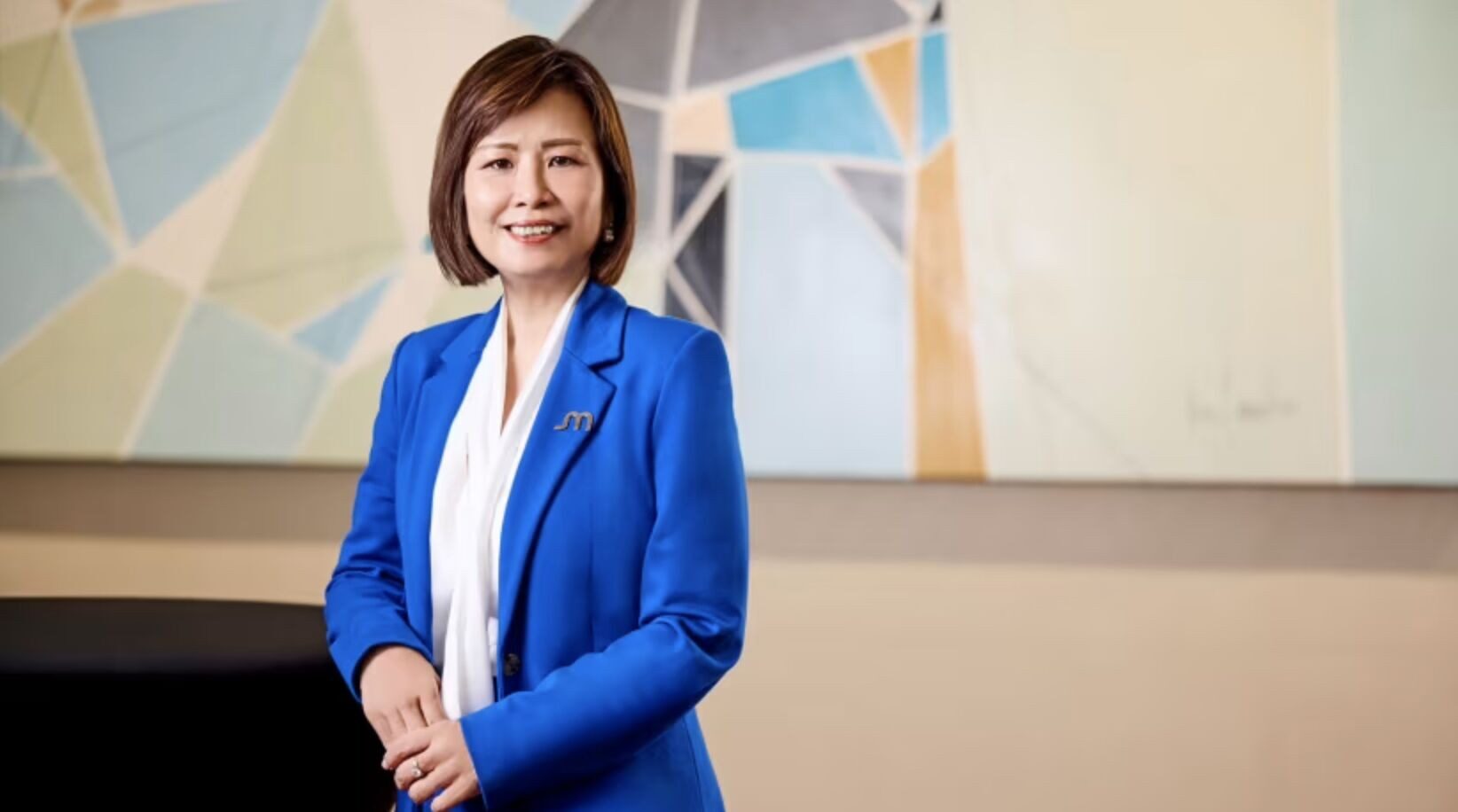
Jasmine Liew is the Managing Director at Breakthrough Catalyst. She is Singapore’s first Fearless Organisation Psychological Safety Practitioner and a SoundWave Practitioner, empowering leaders to own their conversations for purposeful, actionable, and impactful communication. As a Doctor of Business Administration candidate at the University of Canberra, her research focuses on the role of psychological safety in leading organisational changes effectively.