
When disruption is the operating environment, ‘bouncing back’ isn’t the whole job
- Josephine Tan
For most of the past decade, organisational resilience carried a fairly settled meaning: the capacity to absorb a shock and return to normal. The definition assumed that shocks were discrete – a system outage, a security incident, a disaster with a clear beginning and end. That assumption is becoming harder to sustain.
According to the International SOS Risk Outlook 2026, 57% of leaders say new risks are emerging faster than they can manage them, and 74% report that the window for making critical decisions is shrinking. Only 35% are confident in their ability to mobilise teams quickly in response.
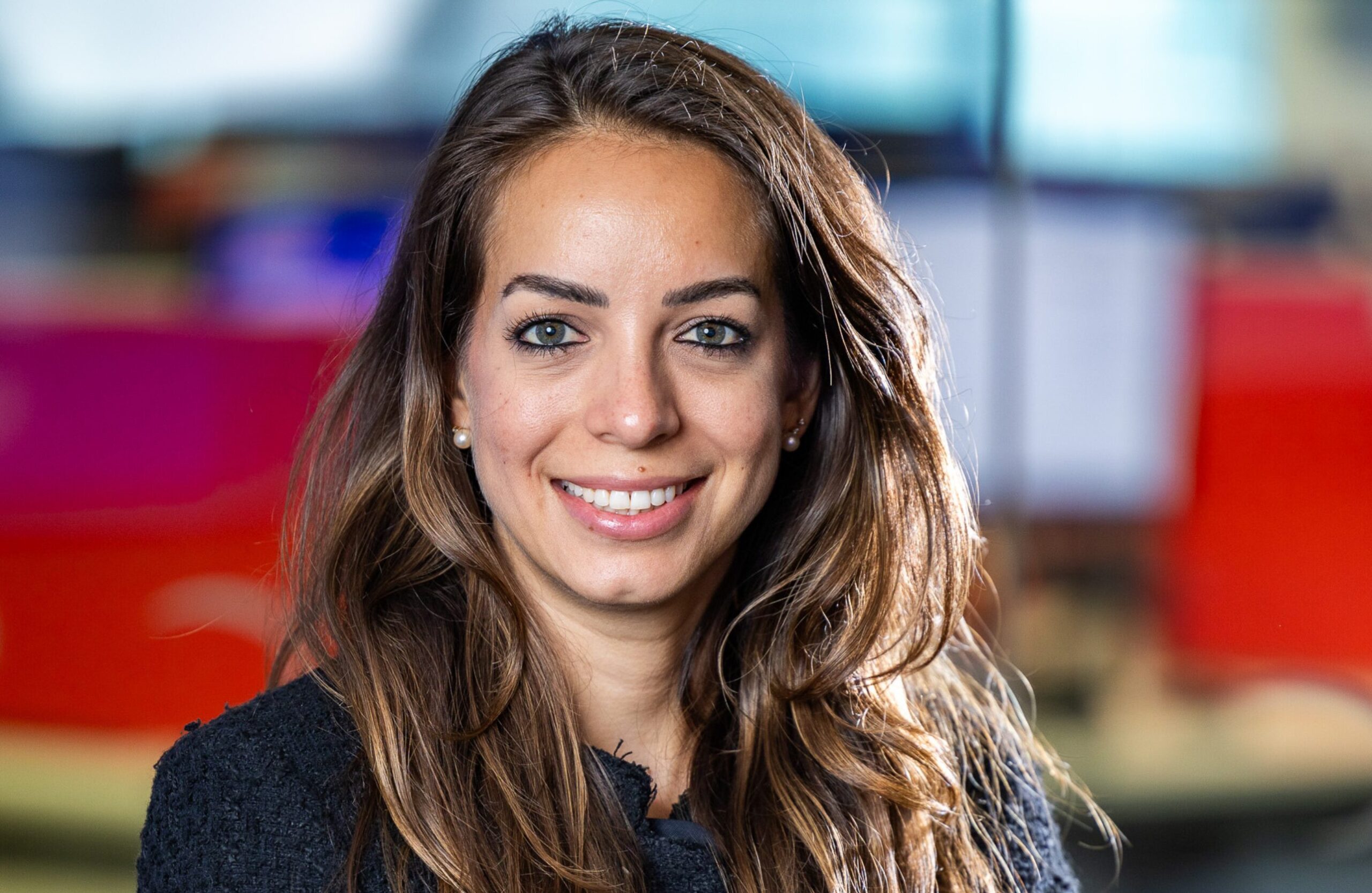
For Dr Athenais Sivaloganthan, Health Advisor for Health and Wellbeing at International SOS, those numbers describe a change in what resilience now has to mean. Geopolitical tension, economic volatility, rapid technological change and a relentless news cycle have, in her assessment, turned disruption into the operating environment rather than the exception – with employees exposed to prolonged uncertainty even when events do not directly affect their role or location.
“Resilience can no longer be defined simply by how quickly an organisation bounces back after a crisis,” she tells HRM Asia. “It is increasingly about sustaining adaptive capacity during ongoing disruption.”
That reframing carries a practical consequence for how continuity plans hold up under pressure. An organisation may have robust plans on paper, Dr Sivaloganthan notes, “but if its people are exhausted, distracted or struggling to cope, those plans become significantly harder to execute.” On her account, the human capabilities that operations depend on – judgment, attention, communication, decision-making, the ability to perform safely under pressure – are themselves part of the infrastructure that needs protecting.
She is careful to draw a line around what psychological resilience does not mean. It is not, she says, an expectation that individuals absorb unlimited stress or simply push through. The emphasis instead falls on the conditions that let people adapt and recover: credible communication, realistic priorities, manageable workloads, psychologically safe teams and genuine opportunities for rest.
The risk that has no obvious answer
If the case for treating psychological strain as an operational concern seems straightforward, the question is why it has taken so long to land. Dr Sivaloganthan attributes much of the lag to visibility.
A security incident, cyberattack or operational disruption tends to have a clear owner, defined escalation pathways and immediate, visible consequences. Psychological strain behaves differently. It “often develops gradually,” she says, surfacing as sleep disruption, reduced concentration, impaired decision-making, interpersonal conflict, absenteeism or presenteeism – signals that are easy to miss and easy to attribute to something else.
Workplace mental health has also, for many years, been framed as an individual or clinical matter, with support offered once someone was already unwell instead of psychosocial risk being identified earlier. Stigma and low disclosure keep the underlying burden further out of view.
What tends to force the issue, in her experience, is the point at which human impact becomes operational impact. She pointed to recent events in the Middle East, during which organisations sought support not only for security and continuity decisions but for the strain employees were carrying day to day – heightened anxiety, information overload, difficulty concentrating, competing work and family demands, and disrupted sleep.
She situates this within a broader regulatory direction of travel, citing the World Health Organisation (WHO) guidance and the ISO 45003 standard, which position psychosocial risk within occupational health and safety management. The test she proposes is deliberately plain: “if a foreseeable risk can impair health, judgment or the ability to work safely, it belongs to the organisation’s risk management framework.”
Genuine shift vs. symbolic gesture
As psychological wellbeing is absorbed into the language of duty of care and business continuity, it runs a risk of becoming another compliance exercise. Asked what separates organisations that make a real change from those making a gesture, Dr Sivaloganthan returned to the difference between a standalone initiative and an embedded one.
Organisations that handle it well, she says, build psychological wellbeing into how they prepare for, respond to and recover from disruption, rather than bolting on a wellbeing programme once a crisis has hit. That starts with recognising that employees experience uncertainty differently, and providing accessible support that equips people with practical skills to manage stress and changing circumstances. Leadership sets the tone through consistent communication and by making it acceptable to seek help.
“When psychological wellbeing is embedded into organisational culture rather than treated as a standalone initiative,” she says, “it becomes a genuine driver of workforce resilience rather than a compliance or box-ticking exercise.”
From individual burden to organisational capability
Pressed on the single change she would most like to see, Dr Sivaloganthan pointed to a default assumption she believes is due for retirement: that wellbeing is primarily an individual responsibility, supported only once someone is already struggling. Viewed through an occupational health lens, she argues, it should be treated as a preventive organisational capability and a core component of resilience – something that helps people stay focused, make decisions and adapt when conditions are volatile, while allowing the organisation to hold its performance and meet its duty of care.
Her closing distinction reframes what a resilient organisation actually looks like.
“The most resilient organisations are not those whose people endure the most pressure,” she says. “They are those that anticipate strain, minimise avoidable harm and create conditions that help people adapt and recover.”