

Fixing the workplace, not just the symptoms: Inside HSBC Singapore’s structural shift to employee wellbeing
- Josephine Tan
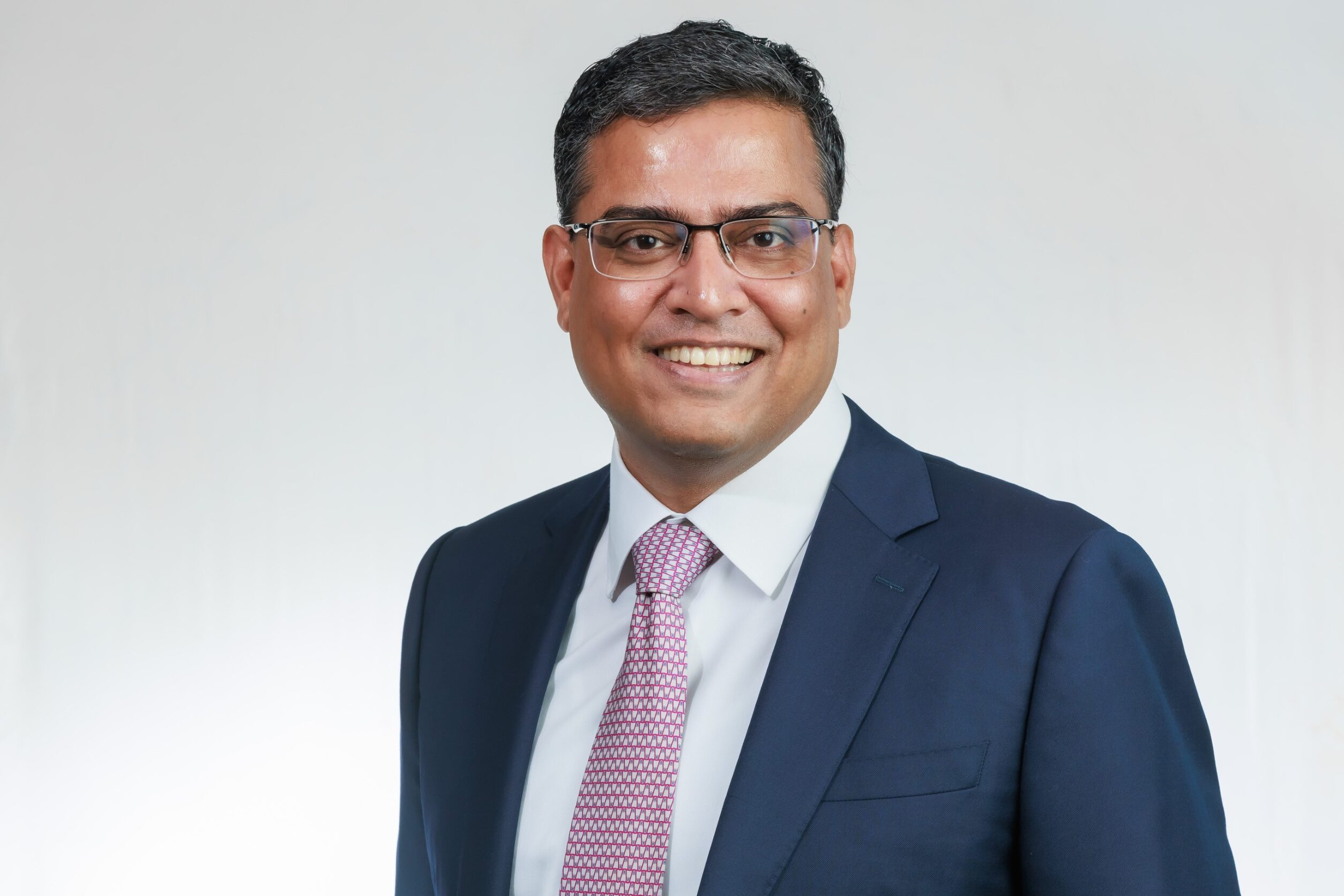
Most wellbeing programmes are built to help people cope with a stressful workplace, not to fix what is making it stressful in the first place. It is a fair critique – and one Mukul Anand, Managing Director and Head of People at HSBC Singapore, does not sidestep when asked how the bank avoids becoming exactly that.
“We recognise that wellbeing initiatives must address root causes, not simply help people cope with stress,” he tells HRM Asia. “We take a holistic view of wellbeing, spanning mental, physical, social and financial health, across both personal and professional life.”
“Our greatest influence on colleagues’ wellbeing is the workplace itself, so we focus on how work is designed and led,” he continues. That shows up in HSBC’s Leadership Priorities, which set expectations for managers to provide consistent support, set clear priorities, simplify how work gets done, and create space for people to speak up and ask for help. It shows up in the benefits that sit underneath the day-to-day culture: enhanced medical coverage and increased Group Term Life insurance introduced in Singapore in 2024, new Critical Illness coverage, and targeted support for fertility, menopause and gender affirmation for transgender colleagues.
Some of the more telling moves are the smaller, less headline-friendly ones. HSBC became the first bank in Singapore to roll out the Hidden Disabilities Sunflower initiative across all its offices and branches – a simple lanyard-based system that lets colleagues and customers with non-visible conditions signal, without having to explain themselves, that they might need a little more patience or support.
“This reflects a deliberate shift from wellbeing as a standalone programme to wellbeing as part of how we lead and build the workplace, informed by colleague feedback and continuous improvement,” Anand says.
The numbers suggest colleagues are feeling it. HSBC Singapore’s Employee Engagement Index climbed six points to 71% in 2023, nine in 10 managers say their teams have the right work-life balance, and four in five employees say the organisation cares about their mental health – figures that line up with the bank’s first-place finish in CCLA Investment Management’s Global 100+ Mental Health Benchmark.
Making it safe to actually say something’s wrong
“Inclusion is an ongoing effort and the work is far from done,” Anand says. “From where I sit, the genuine work ahead is about continuing to build an environment where support is consistently felt, and where colleagues can thrive across different roles, backgrounds and life circumstances.”
Programmes and policies only go so far if people do not feel safe using them, and Anand is candid that psychological safety is still a work in progress. “A critical part of that is strengthening psychological safety and trust in our culture of speaking up,” he says. “That means creating an environment where people can speak openly and share issues early, without fear of negative consequences.”
In practice, that means open forums for feedback, manager training on having honest conversations, and Employee Resource Groups that surface issues before they become entrenched. For situations where an informal conversation is not appropriate, HSBC provides colleagues with formal routes too – raising concerns discreetly with HR or through HSBC Confidential – with independent investigation and follow-up action where warranted.
Underpinning all of it is the Employee Assistance Programme, a confidential, round-the-clock counselling service run by an independent external provider and available to colleagues and their dependents. It sits alongside HSBC’s broader Wellness Corner App, which bundles free 24/7 counselling, mental health training, a global masterclass series, outpatient reimbursement for mental health services, and – following a recent Mental Wellness Awareness initiative – a dedicated counsellor for all employees. The wellbeing calendar runs year-round, anchored by Healthier You in April and an upcoming Wellness Month in September.
Leave that people actually feel able to take
HSBC Singapore’s family leave policies are among the most generous in the local market: 26 weeks of maternity leave, paternity leave extended in April from 8 to 10 weeks, and paid shared parental leave increased from 6 to 10 weeks. Every employee, regardless of whether they have children, also gets six days of Family Care Leave per year, which extends to colleagues caring for elderly parents or other dependents.
Anand’s view is that the numbers on a policy document are the easy part. “The policies themselves are important, but what matters is also whether colleagues feel comfortable using them,” he says, “Policy only matters if it translates into lived experience.”
READ MORE: People first, then profits: The case for wellbeing as strategy
That is the thinking behind Nurture Singapore, an Employee Resource Group for working parents and caregivers launched in 2024 to build community and share practical support. HSBC has also leaned on real examples rather than just messaging to normalise the use of the leave on offer. Anand points to Lina Chan, Head of International Wealth and Personal Banking Operations at HSBC Singapore, who has spoken openly about taking a sabbatical to support her daughter’s learning needs.
“Culture is shaped from the top, so we encourage leaders to role-model taking leave and to support colleagues in using the benefits available to them,” Anand says. “Ultimately, culture is what brings policy to life.”
Who’s actually accountable for it
The harder question – for HSBC and for the industry more broadly – is what changes when wellbeing stops being an HR line item and starts being treated as a genuine business priority. Anand’s answer is that it has to be measured the same way anything else that matters to a business gets measured.
“If wellbeing is genuinely a business priority, it has to be treated as part of how an organisation measures success, alongside performance, talent and culture, not as a separate HR topic,” he says.
At HSBC Singapore, that measurement runs through Snapshot, the bank’s annual employee sentiment survey, which tracks satisfaction, engagement and wellbeing and feeds both quantitative and qualitative insight back into how the organisation adjusts its approach.
Anand’s broader message to the industry is less about programme design and more about honesty. “I would advocate for organisations to be more deliberate and transparent about how they measure and act on wellbeing and inclusion, because inclusion goes beyond representation,” he says. “It is about whether people feel valued, supported and able to thrive.”
It is also, in his telling, never really finished. “Accountability is not just about having the right statements or programmes,” he concludes. “It is about having the discipline to listen, measure, learn and improve continuously, led from the top.”