
Don’t just automate—elevate: How HR can stay on the right side of history
- Josephine Tan
By the time AI became a daily headline, HR leaders had already sensed a deeper shift underway. No longer confined to automation and administration, HR is now at the centre of how organisations redesign work, skills, and culture for the future.
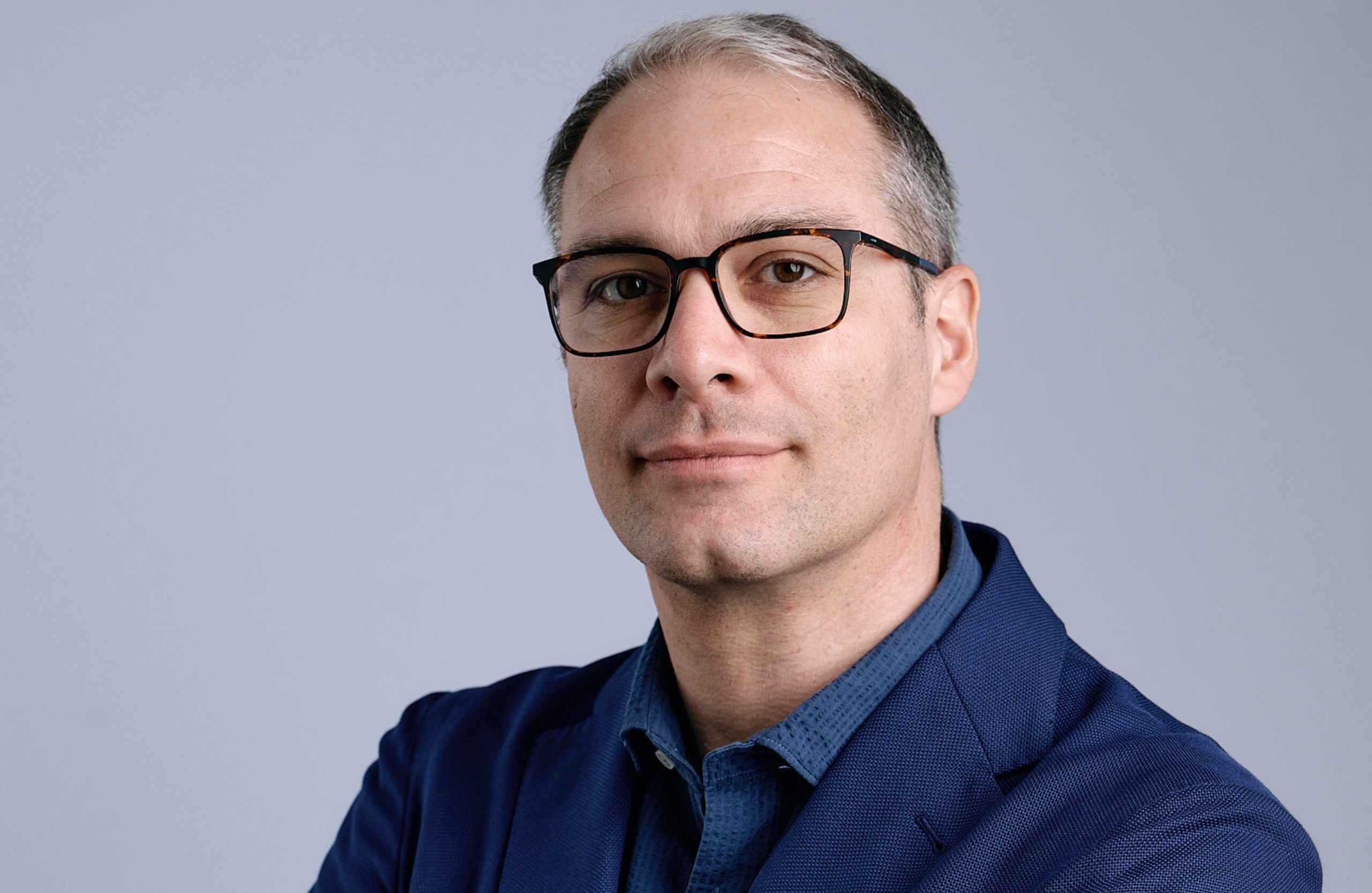
That reality framed the latest Asia HR Leaders Live Series, organised by AsiaHRM and supported by HRM Asia, where Rita Tsui, Founder of AsiaHRM, sat down with Norbert Modla, Vice-President, HR and Communications, Greater Asia and ANZ at Becton Dickinson (BD). The session, titled AI in HR – Where are we really today?, offered a candid look at what is working, what remains challenging, and what HR leaders must prioritise as adoption accelerates.
A three-stage framework for AI adoption
Modla opened with a practical model that has guided BD’s own AI journey: a three-stage framework that treats adoption not as a linear roadmap, but as a “three-legged stool” that must stay balanced.
The first stage focuses on tasks—helping people do the same jobs more efficiently using AI tools. Examples include drafting job descriptions, summarising performance reviews, personalising communications, and analysing large volumes of data. “This is a great place to start,” Modla said, “because it doesn’t require organisational redesign, but builds confidence and capability quickly.”
Stage two moves beyond tasks to rethinking processes. Here, organisations redesign workflows by embedding AI agents into recruitment screening, onboarding, performance calibration, or employee listening. The potential rewards are higher, but so are the risks. “This is much harder to execute,” Modla cautioned, “and the benefits take longer to show.”
The third and increasingly critical stage centres on culture, governance, and ethics. This includes setting boundaries on what AI can and cannot decide, building employee trust, reskilling HR teams, and ensuring strong data protection and legal oversight. “If you miss one leg of the stool,” Modla warned, “the whole thing falls over.”
Scaling remains the biggest challenge
While experimentation is widespread, scaling remains elusive. Citing recent research and peer discussion, Modla observed that many organisations have yet to realise the full promises of AI.
Success stories tend to come from clearly defined use cases—content generation, recruitment screening, HR copilots, and learning design. Larger, end-to-end transformations such as internal talent marketplaces or skills-based organisations remain harder to deliver.
“People still go back to Excel,” Modla admitted. “Human habits, data quality, and process complexity all slow adoption.”
But perhaps the most striking insight came from Modla’s vision of how HR roles themselves will evolve.
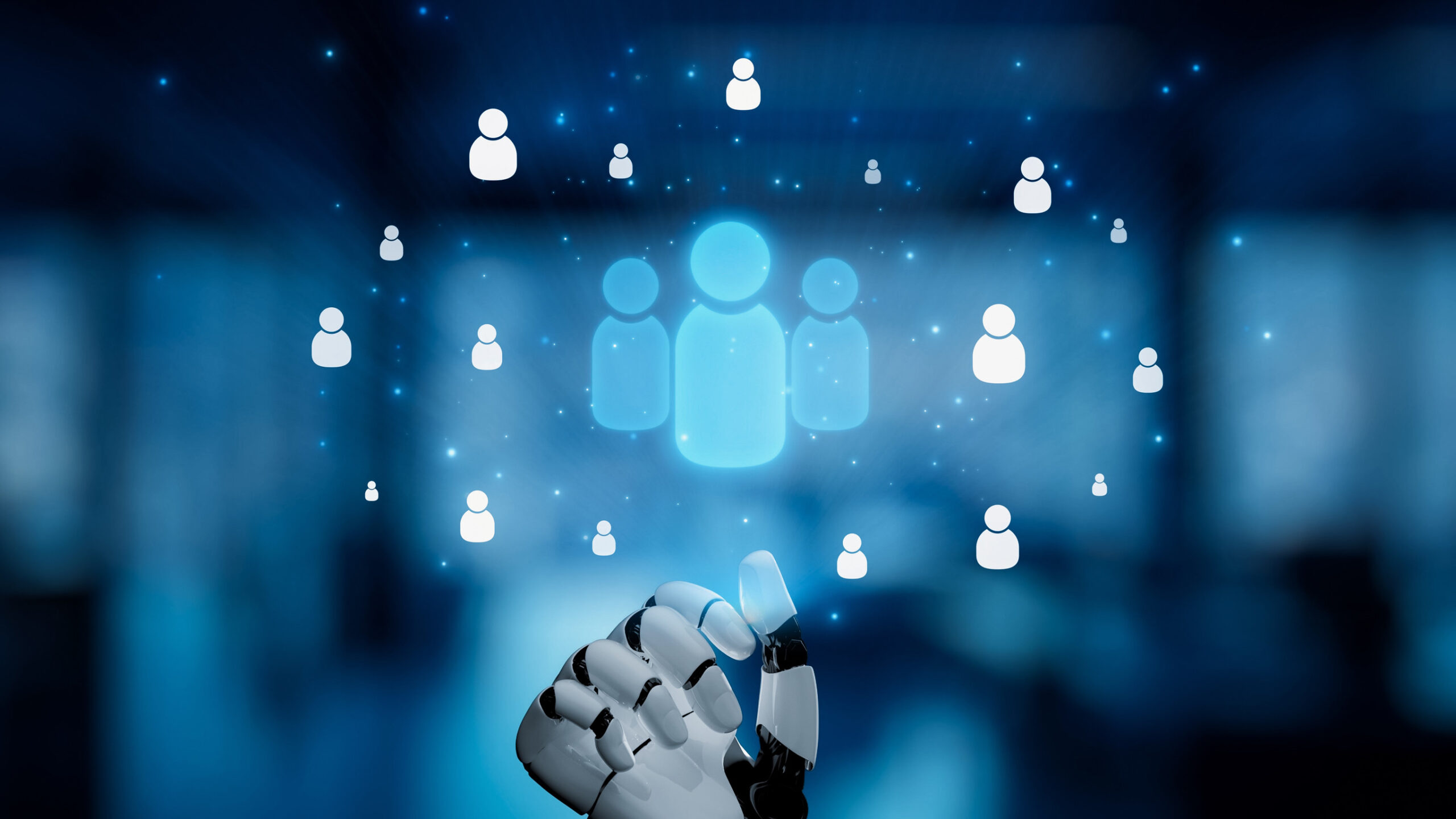
In the near future, HR leaders may manage not only people, but also AI agents. These digital workers could coordinate performance cycles, chase feedback, run employee surveys, and analyse engagement trends—tasks once handled by a junior HR employee.
READ MORE: Culture, not code: Why human habits are the root of Asia’s AI transformation
“Think of AI as a super-smart trainee who knows nothing about your organisation,” Modla explained. “You must train it, supervise it, and make sure it behaves the way you want.”
This creates entirely new roles: HR product owners for agents, domain experts who design prompts, monitor outputs, and ensure quality and compliance. Importantly, these are not purely technical jobs—they require deep HR knowledge combined with digital fluency.
At the same time, some roles will inevitably change or disappear. “That’s the reality of every industrial revolution,” Modla said. “But new roles will emerge just as quickly.”
Skills that will matter most
When asked which skills HR professionals must develop, Modla emphasised augmentation over replacement.
Domain expertise remains foundational. Without understanding coaching, performance management, or learning design, no HR professional can effectively deploy AI in those areas. Digital and AI literacy is equally essential—not to become programmers, but to understand prompting, agent design, and system limitations.
Yet the most durable skills will be deeply human: creativity, empathy, trust-building, innovation, and curious problem-solving. “The machine won’t identify the right problem to solve,” Modla said. “That’s still our job.”
And if innovation is one side of the equation, governance is the other. From data protection and legal compliance to fairness in selection and bias mitigation, AI introduces new risks that HR cannot ignore. Modla described complex approval processes involving legal, compliance, and technology teams, as well as the danger of uncontrolled “agent sprawl” across large organisations.
“There is no free lunch,” he noted. “AI costs money, energy, and governance attention. You need platforms, supervision, and clear ownership.”
One of Modla’s most powerful warnings was against reducing AI to a pure efficiency play. “Employees are not going to work fewer hours because of AI,” he said. “Other tasks will simply fill the time.”
Instead, HR must position AI as a tool to improve work quality and employee experience—automating unpopular tasks, making learning more engaging, personalising development plans, and enabling better coaching conversations.
“If HR only delivers headcount reduction,” Modla argued, “we risk being on the wrong side of history.”
Where are we really today?
The answer, according to Modla, is cautiously optimistic.
AI clearly works. It improves quality, increases efficiency, and opens new possibilities for HR. But the journey is uneven, messy, and still evolving. Success depends less on technology and more on balance—between tasks and transformation, innovation and governance, efficiency, and human value.
As AsiaHRM’s Tsui concluded, the future of HR will belong not to those who fear AI, but to those who use it wisely—to elevate people, strengthen culture, and create better work.
The conversation will continue in the next instalment of the Asia HR Leaders Live Series on Wednesday, January 28, when Kevin Chua, CHRO of UWC South East Asia and Board Director and Chair, Board HR Committee for Singapore Christian Home, joins the programme to examine leadership in an era of multifaceted disruption. In this 45-minute LinkedIn Live session, Chua will unpack how AI, cybersecurity, and geopolitical risks are reshaping the leadership agenda and share practical frameworks for developing leaders who can navigate complexity, build resilience, and thrive amid constant change.