


Somewhere between quarterly targets and the next software rollout, training quietly slips down the priority list. Not out of malice. Not even out of indifference. It is simply perceived as…slides.
I have observed this in small- and medium-sized enterprises (SMEs), mid-sized firms, and even in shiny corporates with glass walls and slogans proclaiming “people first.” Same refrain, different rooms.
Over the past year, I have been in conversation with leaders across Malaysia. Everyone agrees that training matters. Everyone. And yet, when the dust settles, attendance thins, follow-through fizzles, and the promised gains feel oddly theoretical. Millions are spent. Results? Mixed, at best.
I have been unpacking this with Dr Naveen Aziz, whose work across Asia-Pacific health and public systems gives him a rare, systems-level perspective. Our exchanges have been frank, sometimes uncomfortable, and often illuminating. What follows is not a sales pitch. It is an attempt to name what is really happening.
Why training gets delayed (or quietly deprioritised)
Start with pressure. Real pressure. Deadlines do not negotiate, KPIs do not blink, and when the choice is between hitting numbers this month or “investing in capability,” capability usually loses the coin toss.
Then there is the financial story. Training is still filed under “cost” in many organisations—something that dents output before it delivers value. The long-term gains rarely win against the spreadsheet.
Another concern surfaces often, usually in a lowered voice: if we train employees, they will leave. It is understandable. Upskilling does increase market value. Yet stagnation, we have noticed, drives people out even faster. Nobody likes feeling stuck.
Design issues do not help. Too many programmes are selected without proper needs analysis, without real input from the people doing the work, and with little alignment to actual bottlenecks. Add to that a preference for hiring “ready-made” talent—faster, cleaner, supposedly safer—and development gets sidelined.
Change itself spooks people. Familiar routines feel…safe. Managers sense resistance and label it apathy. Often, it is anxiety. And finally, there is the compliance trap: training done to tick HRD or regulatory boxes. Necessary, yes. Transformative? Rarely.
As Dr Aziz once told me, “These are not personal failures. They are structural habits.”
Why outcomes wobble, even when training happens
Let us be fair. Sometimes the room is full, the slides are sharp, the trainer knows their material—and still nothing sticks.
Relevance is the first casualty. One-size-fits-all content does not survive contact with real work. If examples do not mirror the job, attention drifts. Quickly.
Then there is the follow-up problem—or the lack of it. Without coaching, practice, or space to apply new skills, people revert. It is human. Blame the brain, not the employee.
There is also what I half-jokingly call the “expert paradox.” Some trainers carry deep theory but little hands-on experience in a specific industry. When practical questions arise…awkward pause. Credibility matters more than we admit.
Dr Aziz summed it up neatly, “Training works when the environment keeps teaching after the workshop ends.”
Shared pressure, shared responsibility
Here is the part that often gets missed. Managers and employees operate under the same weather system: misaligned priorities, unclear signals, constant urgency. Even well-designed programmes struggle in that climate.
What we have seen work consistently is alignment. Training that is supported by day-to-day practices. Managers who understand what was taught and reinforce it. Teams given permission to try, stumble, and adjust.
Simple. Not easy.
The often-overlooked support already available
This might surprise some readers. Malaysia actually has a strong public scaffolding for learning.
The RiSE4WRD 2.0 initiative by HRD Corp, for instance, supports the manufacturing sector by fully funding AI and automation training to accelerate the adoption of Industry 4.0. TVET programmes are being retooled with industry input and incentives. National Training Week now offers tens of thousands of free courses annually. The HRD levy allows organisations to reclaim up to 100% of approved training costs.
READ MORE: Malaysia incentivises hiring senior employees amid ageing population concerns
As Dr Aziz noted in one of our conversations, “The support is there. Impact depends on how thoughtfully it is used.”
What tends to work (in the real world)
Patterns emerge if one watches closely.
Training is effective when it tackles specific, lived challenges. Follow-up mentoring, practice, and application keep learning alive. Managers who are aware and supportive make a disproportionate difference. Employees respond far better to skills they can use tomorrow morning than to grand promises of “transformation.”
Small wins outweigh big words.
Reflections
Here is the uncomfortable truth: Malaysia does not lack training programmes. It lacks a steady ecosystem around them. Managers, employees, and trainers are all operating inside systems under strain. Expecting magic from a single workshop is…optimistic.
What seems to matter most is integration: training woven into daily work, alignment between what is taught and what is rewarded, and government initiatives used with intention, not as a box to tick.
The real question is not whether training happens. The question is whether organisations create conditions where learning can stick—where it is reinforced, permitted, and expected. When that happens, capability becomes an asset that compounds. When it does not, even well-funded efforts quietly fade.
And perhaps that is the lesson to keep circling back to. Not flashy. Not dramatic. Just honest.
About the Author:
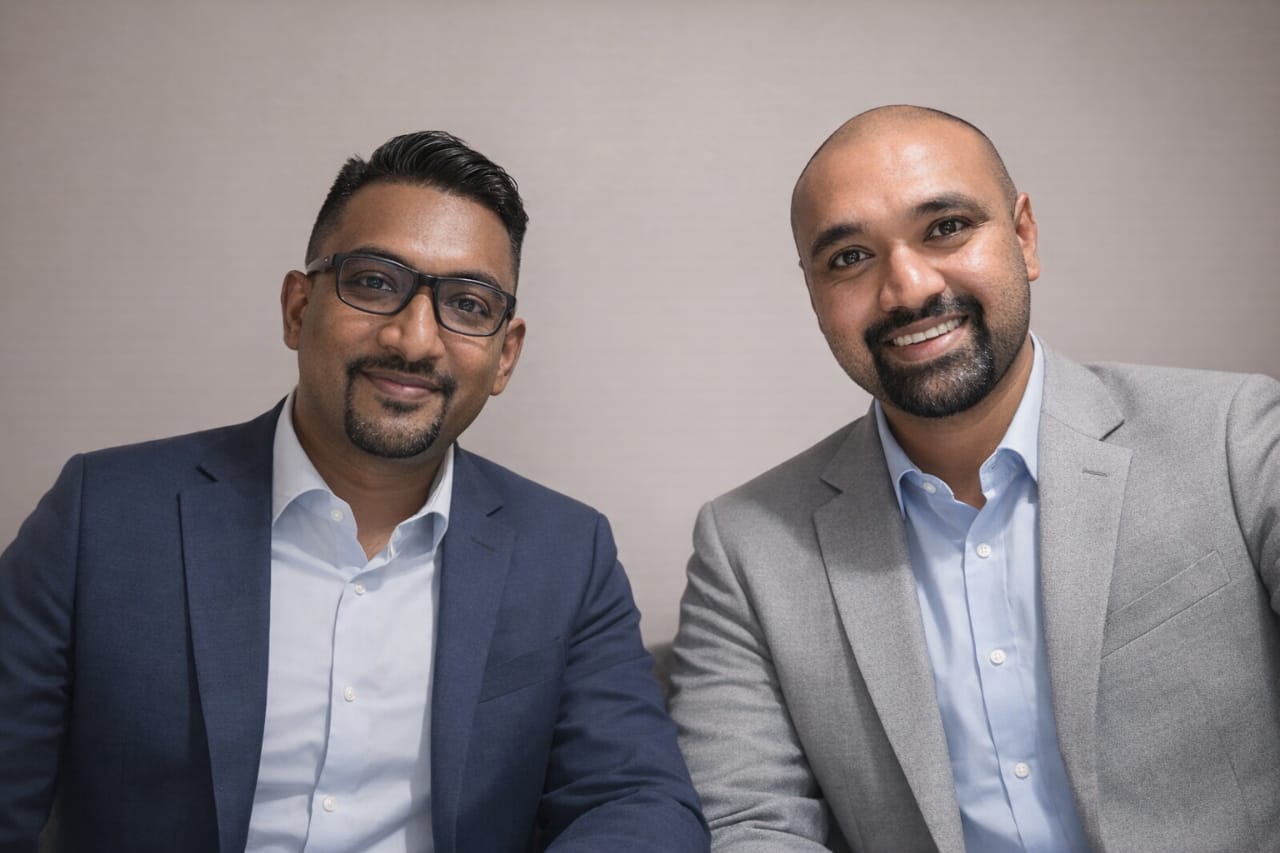 Guruparan Paramanathan is the Director of HR Guru Consultancy, and shares insights in collaboration with Dr Naveen Aziz.