

When we talk about allyship in the technology industry, it is tempting to frame it as a nice-to-have – a culture add-on, or a line item under diversity and inclusion. I see it very differently. More than a slogan or a campaign, allyship is an everyday practice that determines who gets heard, who gets trusted and who gets the chance to grow.
In a corporate HR context, allyship refers to employees – particularly those in positions of relative privilege or influence – actively supporting, advocating for and amplifying colleagues from underrepresented or marginalised groups to promote equity, inclusion and fair opportunity within the workplace. This definition matters because it moves allyship out of theory and into daily decisions.
Technology has not always been known for balance. When I was at university, there were 40 people in my class, only three of whom were women. That was not unusual at the time. Engineering and technology were viewed as domains for men, and that legacy thinking persists today. But history should never become destiny. The technology industry is built on change; our workforce should be no different.
High standards will always matter
One of the most persistent myths I encounter is that allyship means lowering standards. It does not. Merit and capability still matter greatly. What allyship does is challenge the assumption that opportunity is already evenly distributed. It asks us to recognise that two equally qualified people may not have had equal access, encouragement or visibility – and that leaders have a responsibility to notice that.
Imagine a hiring panel faced with two candidates who are genuinely equal on paper, with the same experience and the same potential. The default response is often, “Let the system decide.” But systems reflect human bias. Conscious allyship means we ask different questions: Historically, who has been given fewer chances? How do we rebalance without compromising quality?
That single pause and moment of awareness is often where allyship begins.
Dealing with bias starts from the top
Bias is rarely consciously malicious. More often, it is inherited and based on assumptions about people who look and act differently from what we do.
Leaders who grew up and worked in male-dominated environments, for example, may unconsciously feel more comfortable working with men. Some may worry that hiring someone of childbearing age could disrupt team productivity. These thoughts are not always spoken aloud, but they influence decisions all the same. Allyship requires us to surface those mental models, examine them honestly and decide whether they still serve us.
This is where leadership matters. Culture changes from the top down. When leaders pay attention to representation, when they ask for data and when they expect to see diversity reflected in teams and succession plans, people notice. Metrics are about awareness, and they force uncomfortable but necessary conversations: Who is being promoted? Who is being overlooked? Why?
But numbers alone are not enough. Allyship shows up in our behaviour. It shows up in meetings when a junior colleague’s idea is ignored, only to be praised when repeated by someone more senior. An ally notices that pattern and redirects the credit. It shows up when someone hesitates to speak because they feel different, and a leader creates space for them anyway. It shows up when feedback is given fairly, without softening expectations for some and sharpening them for others.
Real power lies in diversity
I have seen firsthand how diversity of thought improves decision-making. People like to joke that men are from Mars and women are from Venus. While the metaphor is playful, the underlying point is real: We are all wired differently, shaped by different experiences, cultures and expectations. When those differences are embraced, blind spots shrink and alternatives emerge that would never have materialised in a room full of people with similar experiences and influences who mostly think the same way.
This matters a lot in technology, where we design systems for a diverse world. If your workforce does not reflect the diversity of your clients and communities, how can you expect your solutions to resonate? Experiences shape practices. When people from different backgrounds challenge the way things have always been done, innovation follows.
READ MORE: The future of tech: Where business success meets social responsibility
I have used examples relating to gender, but allyship extends well beyond that. True inclusion means recognising that not everyone experiences the workplace in the same way. People with disabilities may face invisible barriers in digital tools or physical spaces. LGBTQ+ colleagues may be assessing, every day, whether it is safe to be open about who they are. Allyship becomes meaningful when it is tailored – when policies, benefits and everyday behaviours respect identity and create psychological safety.
Psychological safety is built through trust. Employees must believe that when they speak up about bias or exclusion, they will be heard – and that something will happen as a result. Open forums, confidential channels and visible follow-through all send the same message: Your voice matters.
Make the choice and be confident
For those entering the technology industry today, my advice is simple: Be confident in what you know and what you stand for. Allyship is not only something you receive but also something you practise. Speak up with conviction, ask questions and challenge assumptions, respectfully. The industry needs your perspective, even if – especially if – it is different.
At its core, allyship is about choosing to notice, listen and act, even when it would be easier not to. When it becomes part of how we lead and how we work, we unlock the full potential of our people. And in an industry defined by constant change, that may be our greatest competitive advantage.
About the Author:
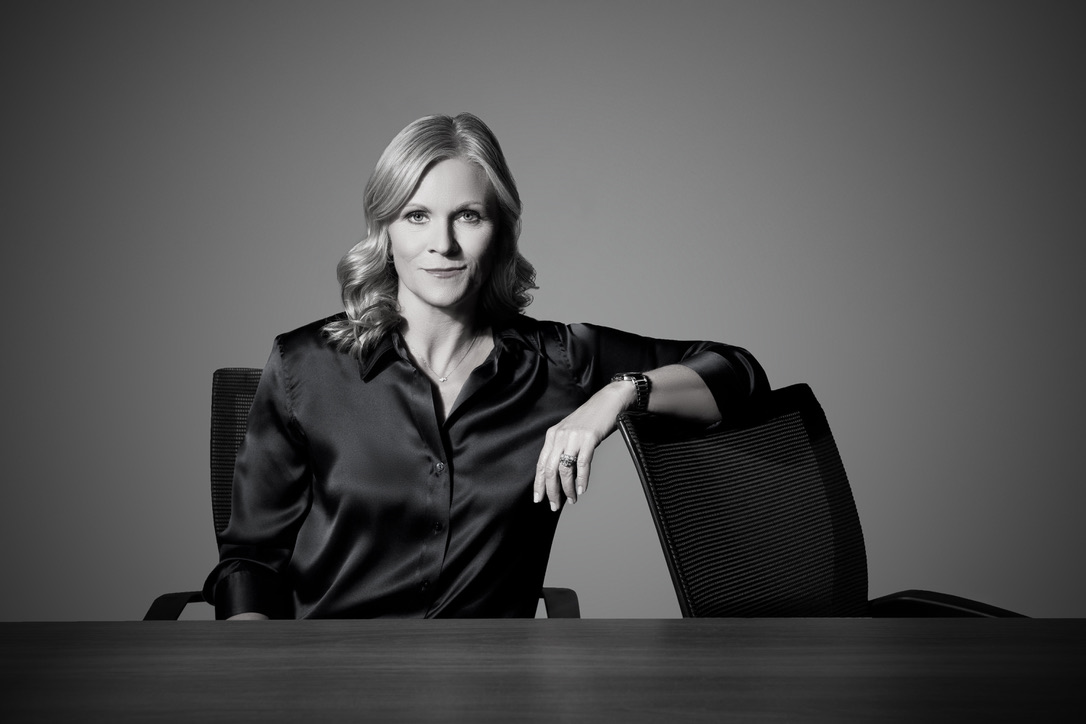
 Png Kim Meng is Executive Managing Director, Singapore and ASEAN, at NTT DATA.