

What are the top skills employers look for?

Digital and data literacy are among the top 10 skills employees will need over the next decade, said Bernard Marr, author, keynote speaker and futurist.
Job hopping declines in Japan despite stagnant wages

Since 2021, the number of workers switching jobs dropped 310,000 to 2.9 million, marking a fall for the second consecutive year.
Some small business employees South Korea paid below minimum wage

Among small business employees, only 9.6% were paid extra for extended working hours and only 13.2% had annual leave provision.
Gen Zs in Singapore plan to relocate for work

An ADP report found over 51% of workers aged between 18–24, and 43% between the ages of 24–34, have planned or considered relocation for their jobs.
Does WFH hinder creativity and innovation?

Close physical proximity is requited to foster employee relationships that facilitate innovation, according to research from MIT.
Big businesses in South Korea hold off hiring plans

Six out of 10 big businesses in South Korea either have no hiring plans or have yet to finalise them for the rest of 2022.
Boosting youth employment with higher wages in the Philippines

The government has been urged to create better paying jobs for employees aged 15 to 30, who earn the lowest wages in the country.
Malaysia’s Gen Z workforce seeks more than renumeration

As the youngest generation to enter the workforce, Gen Z employees are looking beyond monetary fulfilment at work.
Majority of Singaporeans seek upskilling in jobs

Understanding their future job prospects is similarly important among employees, a Randstad survey revealed.
10-day paid bereavement leave proposed in the Philippines

Workers in both private and public sectors may soon be granted a 10-day bereavement leave with full pay if a proposed bill becomes law.
Some workers in South Korea fear going on parental leave

Men were found to be more sensitive than women to negative perceptions toward using parental leave, according to a new survey.
Employee sentiment towards workplace learning falls in Singapore

Workplace learning has dipped despite employees recognising the importance of Learning & Development (L&D).
Indian firms want staff back in office despite PM Modi’s support for WFH

Employers believe that face-to-face interactions are key to forging bonds between colleagues in the workplace.
Indonesia’s wage subsidy support to reach 16 million workers

The Ministry of Manpower is making efforts to ensure that the wage subsidy assistance (BSU) can start to be distributed this month.
Leveraging big data to meet future skills demand in the labour market

The International Labour Organisation (ILO) has developed a taxonomy that captures the skills needed by workers and those related to their attributes.
Amazon’s WFH strategy lets employees stay performance-focused

Amazon’s three-pronged work-from-home strategy places emphasis on how employees work rather than where they are working from.
Short breaks at work improve employees’ well-being

Microbreaks of 10 minutes or less to eat a snack, go for a walk or scroll through social media can increase vigour while decreasing fatigue.
Low-wage workers in Singapore to earn more
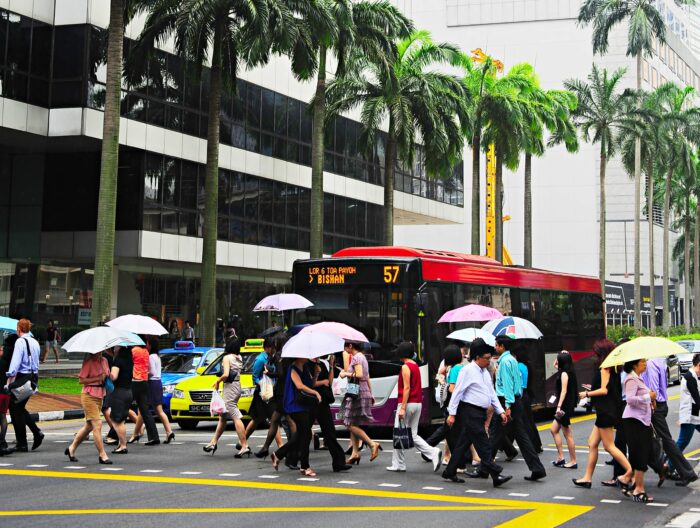
Before hiring any foreign worker, local employers will need to meet the requirement of paying all their local workers at least S$1,400.
New Zealand raises living wage to support low-wage workers

From September 1, the living wage in the country has increased by 90 cents to NZ$23.65 (US$14.5) an hour, although its implementation is not mandatory.
Internet activity indicates support for remote work

More workers around the world are continuing to use Google to identify remote jobs and understand how remote work functions.
RGE adopts Workday HCM to modernise HR processes
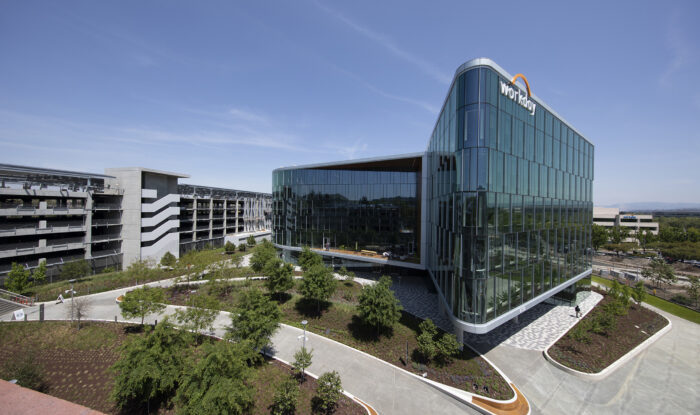
Having transparency across its talent management process allows Royal Golden Eagle (RGE) to make data-driven decisions in driving growth.
HRM Asia Readers’ Choice Awards 2022: Voting now open!

Cast your vote now and help determine who are Asia’s best HR industry partners and solutions providers in 2022.
Employees in Malaysia lack training opportunities

A survey has revealed that nearly 100% of workers are interested in receiving training and development opportunities at the workplace to upskill themselves.
Flexible working arrangements set to stay in South Korea

Some 66.6% of South Korean workers believe that flexible work systems are effective in reducing unnecessary overtime work.
Increase of parental leave could potentially boost Australian economy

Unions have called for paid parental leave to be extended to 52 weeks, paying parents their actual wage and including superannuation.
Women face roadblocks to re-enter job market in India

The number of female employees who re-joined and re-subscribed to the Employees’ Provident Fund this June was negligible.
Singapore sets up new workgroup for gig workers

The Tripartite Workgroup on Representation for Platform Workers (TWG) will propose a framework for representation of digital platform workers.
Accelerate business transformation with a modern HR mindset
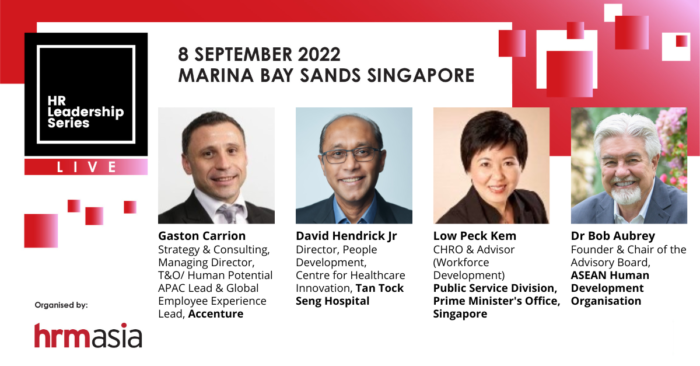
As organisations look ahead to what will fundamentally shape work, HR leaders play a key role in ensuring business continuity and success.
Employers in Malaysia not ready for new minimum wage

Although the country increased the national minimum wage to RM1,500 (US$334) from May 1, compliance by businesses remains low.
Attracting talent begins with pay transparency in job postings
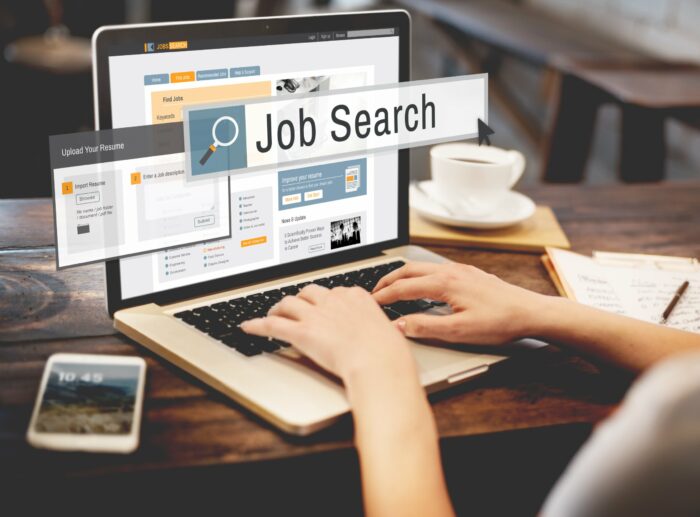
A Gartner survey revealed that, over the last 12 months, almost 50% of jobseekers did not apply to roles without wages disclosed.