

Stay interviews used in India to reduce high attrition

To retain talent, companies are using stay interviews to have conversations with their employees to show that they are important to the organisation.
Most Taiwan firms reject proposed minimum wage hike

Many SMEs earn relatively low profits and would pass on the impact from a wage hike to their customers by raising product prices.
Australia debates merits of enterprise bargaining

Unions and the Business Council of Australia argue that this will result in employees being paid more in wages.
Employees in Thailand struggling to manage work stress

The main causes of burnout include long working hours, an inflexible organisational structure, and a lack of proper tools for work.
Employers’ body calls for “right to manage” workers in the Philippines

The Employers Confederation of the Philippines (ECoP) has called for measures to protect employers’ rights to manage their businesses and workers.
Malaysia postpones enforcement of shorter working hours

Engagement sessions with stakeholders found that employers needed more time for the amendments to come into force.
HRM Asia Readers’ Choice Awards 2022: Last two days to nominate!

Nominations for the coveted HRM Asia Readers’ Choice Awards 2022 will close on August 31, so act now before it’s too late!
India pushes for more flexible work and empowerment for women

Flexible workplaces, a WFH ecosystem and flexi-work hours can all boost the participation of women on the labour front, says the Prime Minister.
Many SMEs in Singapore facing cashflow issues

Facing challenges like high inflation and rising interest rates, about 60% of SMEs have a financial runway of less than six months.
Women’s participation in Malaysia’s workforce remains low

Although females made up 47.7% of the Malaysian population in 2020, their participation in the labour force last year was only 55.5%.
Indonesia wants more businesses to be digitalised

The country targets 30 million MSMEs to join the digital ecosystem by 2024, saying this will help boost employment.
Singapore encourages hiring of people with disabilities

Companies play an important role in the hiring of people with disabilities, while the government will continue to play a key role by offering support.
AI expected to play a larger role in recruitment for Indian firms

Artificial intelligence (AI) in recruitment is expected to eliminate bias and be a regular part of the hiring process in the future.
Employers in the Philippines seek review of old labour policies

Employers have called on the government to reform outdated regulations and rethink existing investment incentives towards investment-led economic growth.
South Korea plans subsidies for jobseekers and low-income groups

The government also plans to tap into state funds to alleviate the debts of the self-employed and smaller merchants.
Managing your workforce with organisational resilience and agility

Organised by HRM Asia, the in-person HR Leadership Series: Live will take a deep dive into what will shape work in 2023 and beyond.
Workplace stress affects employees’ wellbeing in New Zealand

More workers are experiencing increased workplace pressures which are impacting their physical, psychological, and emotional wellbeing.
Malaysia reviews policies to attract skilled talents

Malaysia is facing challenges in creating highly-skilled jobs and competition from countries which offer higher wages to attract skilled talents.
Thai political party proposes gig workers union

The Thai Sang Thai Party has proposed setting up a labour union to improve welfare, benefits and offer training opportunities for gig workers.
Indonesian firms obligated to create wage structure
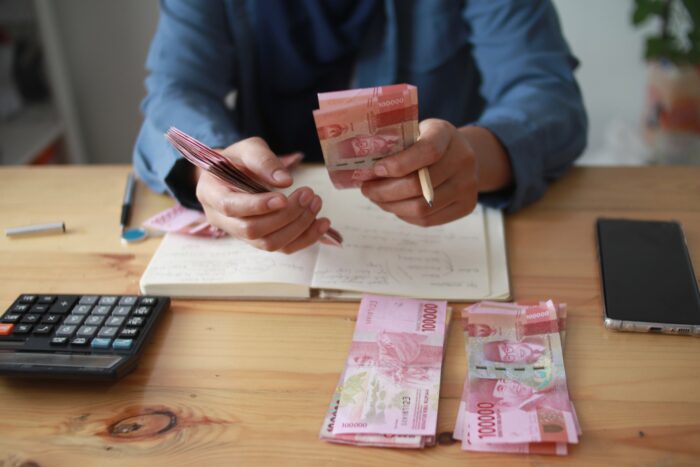
Besides serving as a guideline for businesses, the move will also bridge the gap between the lowest and highest earnings.
Industry stakeholders in India agree on allowances cap

After a review of India’s salary structure, a new Wage Code that considers the ratio of allowances against salaries will be implemented.
Workers in Japan continue to choose part-time employment

Most part-time workers are satisfied with their jobs, with flexible working hours cited as the main reason for wanting a part-time job.
Companies in Indonesia urged to enhance work health and safety

The government has urged firms to implement the Work Safety and Health Management System (SMK3) to protect workers and enhance work productivity.
Apple employees reject return-to-office directive

A petition has been launched to advocate for flexible working arrangements to accommodate the varied needs of Apple employees.
More than 10,000 businesses in Japan breached overtime laws

Japan’s labour ministry says it confirmed cases of illegal overtime work at more than 10,000 business places across Japan in fiscal 2021.
Australia urged to scrap tax cuts for wealthiest earners

Men are expected to receive AUD$160.6 billion of that money, while AUD$82.9 billion will go to women.
MSMEs key to creating jobs in the Philippines

Growing micro, small and medium enterprises (MSMEs) will help create job opportunities in the country, said non-profit organisation Go Negosyo.
Singapore announces initiatives to attract top foreign talent

The government intends to attract a world-class talent pool, which it believes will also help the retention of local talent.
Indian employees look for job fulfilment

Around 34% of Indian employees, compared to 19% globally, say they are extremely or very likely to switch to a new employer.
Japanese firms raising wages to attract workers

Despite increasing wages, digitalisation is seen as the most popular strategy among Japanese firms to address the labour crunch.