

Australia urged to regulate gig platforms

About 13.8% of working age people living in Victoria have taken gig work with such platforms, and 7.4% are currently doing so.
Mature workers in Singapore receive more help in career planning

The Structured Career Planning guidebook gives employers a framework to implement a process to engage staff on career and skills development.
Why companies can’t hire their way out of the tech talent crunch

Stephen Koss, EY Asia-Pacific Workforce Advisory Leader, provides tips for creating a multi-faceted approach to hiring and talent sourcing.
Calls for maternity leave to be extended in Australia

Research has shown that parental care leads to better developmental outcomes, which is key for success in school, the workplace and larger community.
China seeks better protection for gig workers
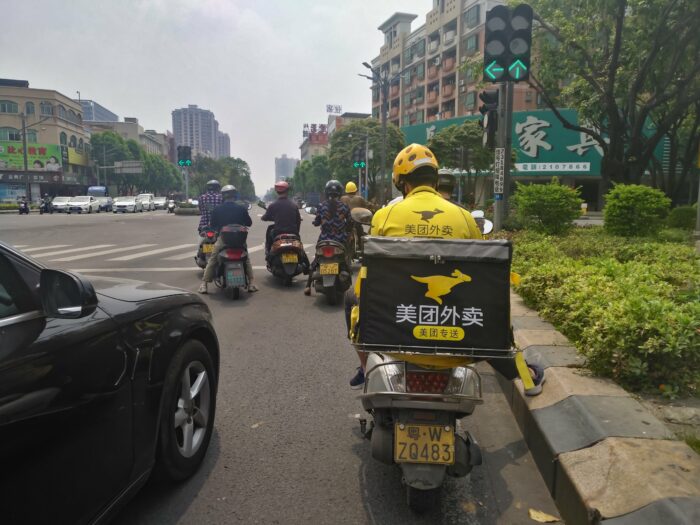
New regulations aim to serve the rights of workers, foster new skills, support startups, and ensure healthy and balanced development in the job market.
Half of Australian businesses have never hired persons with disabilities

Last year, only 53.4% (1 million) of working-aged people with disability participated in the labour force, according to a new survey.
Over 50s make up 85% of job increases in South Korea

The number of employed increased for the 16th consecutive month, with the tally for June climbing by more than 800,000 on-year.
Japan looks to close gender gap in society and workplace

According to a World Economic Forum report, Japan has the largest gender gap in East Asia and Pacific, with women unrepresented in the workforce.
India’s DMEO pushes for Gender Budgeting Act

This includes legally mandating all data-collecting institutions to analyse and publish gender-disaggregated statistics to reduce gender inequality.
Employees in Singapore intend to work longer
The top reasons for wanting to remain employed are to stay active, have a sense of purpose, maintain social connections, and save up for old age.
How HR can play a leading role with Gen Z

Yvonne Teo, Vice-President, HR, Asia-Pacific, ADP, discusses how HR can lead a new generation of Gen Z employees in the workplace.
Indonesian ministry backs maternity leave provision of six months
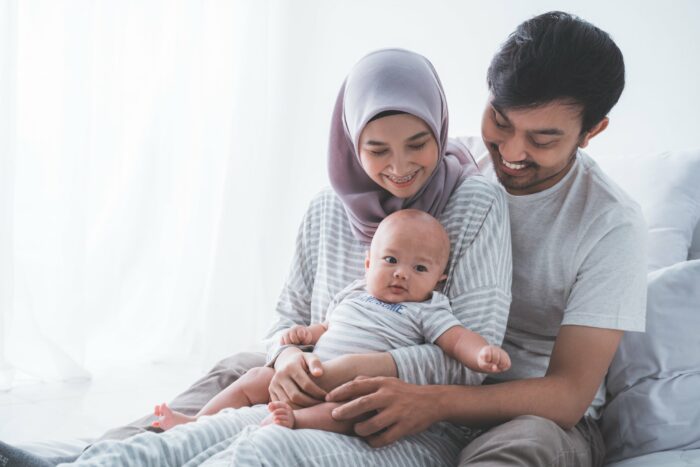
Sufficient leave would help mothers spend more time to stimulate their children, which can support the child’s growth and development, says Kemenko PMK.
Australia mulls increasing parental leave for working fathers

Currently, the primary caregiver in a relationship receives 18 weeks of paid leave at the minimum wage, while fathers receive just two weeks of paid leave.
Indonesia empowers women in the workforce

The government is supporting MSMEs led by women by providing easier access to funding for both capital and product development.
Flexible work arrangements could create job opportunities in Malaysia

Employers can tap a huge labour force that includes women and university students not able to work full time, says former minister.
Women in Australia under-represented in workplace leadership

Australian women are more educated and qualified than men, but are under-represented in leadership positions and workforce participation.
Australia’s Queensland state scraps “maternity leave” term

The government hopes that the change in terms would promote gender inclusivity and encourage gender-neutral language.
Japan encourages firms to let workers take up side gigs

The government hopes that the move will help foster greater diversity in the country’s work practices and encourage talent to move into growth areas.
Hunan province in China extends maternity leave
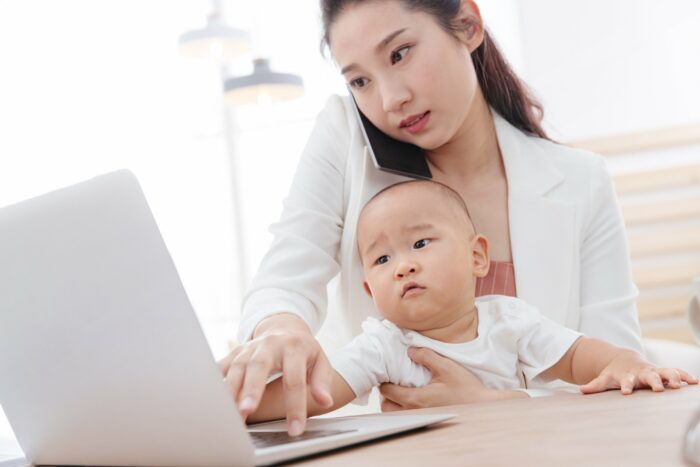
Working mothers who have used up their maternity leave can now apply for an extension of more days up until the child is one year old.
Indonesian businesses object to proposed increase in parental leave

The Indonesian Employers Association (Apindo) has objected to new fathers being entitled to paternity leave for a maximum of 40 days.
Change work for good: Redefining the workforce experience

As the way we work continue to change and evolve, organisations are looking for more ways to build an interconnected and future-ready workforce.
Supporting the empowerment of women in the workforce
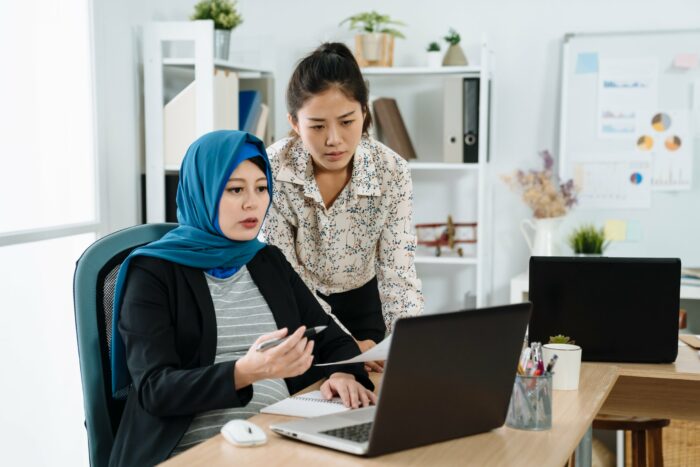
The B20 Women in Business Action Council (WiBAC) has drafted three strategies to expedite the involvement of women in the global economy.
India considers paternity leave extension

The National Commission for Women has reviewed and analysed legislation affecting women, and recommended amendments to meet shortcomings.
Malaysia makes amendments to Employment Act

Taking effect on September 1, these include the extension of maternity leave and readjusting the maximum weekly hours of work.
Indonesia provides more support for working mothers

A proposed Bill on Maternal and Child Welfare will provide working mothers with more benefits and help develop a better generation of human resources.
Parental leave increases in New Zealand

From July 1, new parents will get additional paid parental leave entitlements that will result in up to NZ$40 (US$25) extra a week.
More women in Singapore return to the workplace

While the number of female workers has continued to rise, about 260,000 women aged 25 to 64 remain outside the labour force.
Companies in Japan reluctant to provide lengthy parental leave

There is a large gap between the length of paternal leave employers think is appropriate and that which male employees want to take.
Building workforce resiliency key for Singapore
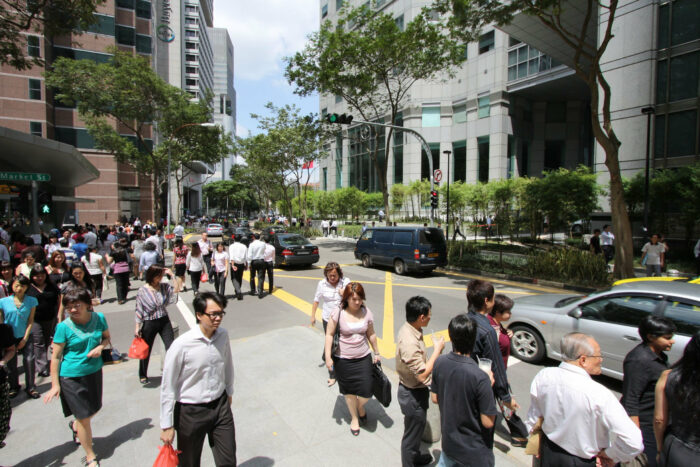
It is essential to attract the right foreign workforce who will bring in the skills to complement the local workforce, said the Manpower Minister.
Japan to increase investment in human resources

The Cabinet has approved the first annual fiscal and economic policy blueprint that pledges aggressive investment in human resources.