
Most South Korean mothers want to remain in workforce
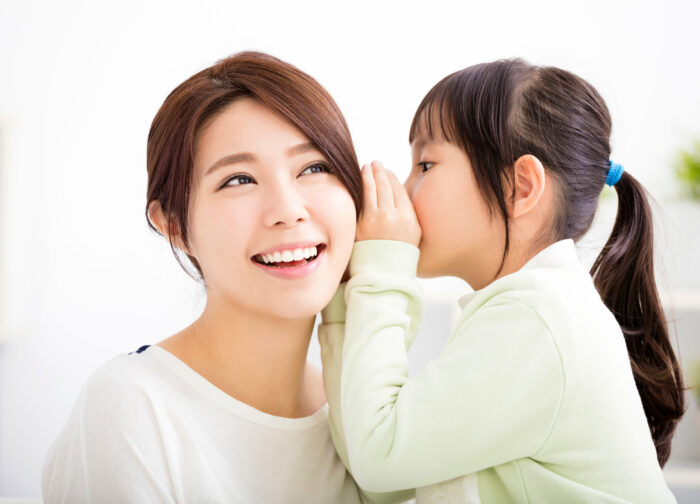
Out of the female workers who worked until giving birth, 77.5% either went back to work or plan to return to work after childbirth.
The three biggest questions HR leaders will face in 2022

Achievers’ Matt Seadon shares the biggest questions that HR leaders will have to tackle in 2022 as they shape and redefine the post-pandemic workplace
Employees in Malaysia promised fair maternity leave and allowance
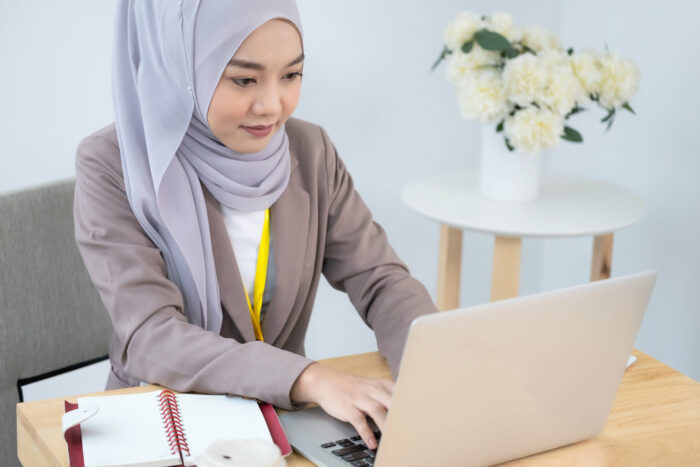
Following complaints of ambiguity, the Women’s Aid Organisation said it sought clarification from Malaysia’s human resource ministry.
Indonesia’s female labour force participation remains low

The patriarchal culture in the country has caused the labour force participation (TPAK) of female workers to lag behind that of male ones.
Indonesia’s manpower minister urges for gender equality at work

Women should be given equal employment opportunities in Indonesia, said Manpower Minister Ida Fauziyah.
South Korea aims to attract more skilled workers

A fast-track visa system for foreigners with a master or PhD degree in science and IT will guarantee legal status during their job search period.
More support urged for Singapore’s gig workers

It was also proposed that platform companies should provide a baseline level of coverage for work injuries sustained by these workers.
Indonesia to boost empowerment of women

President Joko Widodo (Jokowi) has outlined three main conditions that must be met to bolster the empowerment of Indonesian women.
China moves to reduce workplace gender discrimination

Under new regulations, employers cannot ask female job applicants if they intend to get married or pregnant, or to make them take pregnancy tests.
Driving better business outcomes and employee engagement with DEI
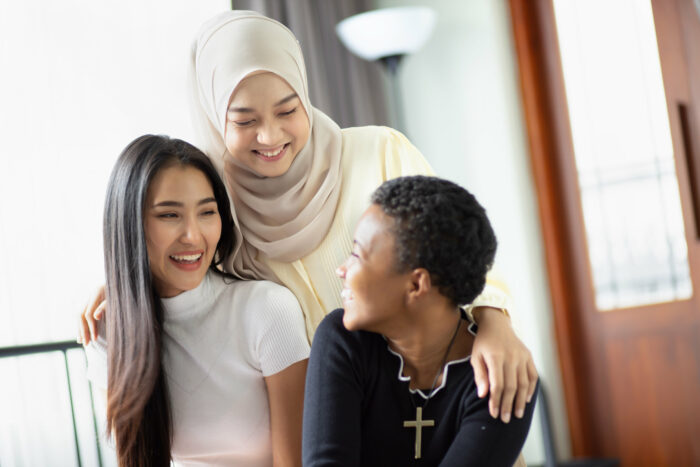
Sophie Guerin, Head of Diversity, Equity, & Inclusion, APAC, Johnson & Johnson, highlights how organisations can embrace and integrate DEI.
The whole new world of work: Emerging trends in 2022

Jeanne Achille, Founder and CEO of The Devon Group, describes emerging trends that HR needs to consider for 2022.
3 priorities to consider when managing EX in a new world of work

As hybrid work becomes increasingly prevalent, Qualtrics highlights how organisations can better manage EX programmes.
Nine businesses in Singapore double paid paternity leave from 2022

Fathers who work in these firms will be able to enjoy four weeks of paternity leave, an increase from two weeks under current regulations.
Fostering DE&I and a culture of belonging with recognition

With more organisations having to manage hybrid workforces, Achievers explains why recognition can be a key tool for HR leaders.
Malaysia proposes flexible and shorter work weeks for women

Although flexible working schedules have been implemented since the pandemic outbreak last year, there are no laws governing the matter.
Redefining the role of the CHRO in a changing world of work

The CHRO Online Series continues December 2 with CHRO Singapore highlighting how CHROs can help develop human-centric leadership in 2022.
Indonesia looks to bridge existing gender pay gap

The Manpower Ministry is optimistic of closing the wage gap between male and female workers, and to increase the level of female participation at work.
People-centric HR management important for the “now of work”

CHRO Malaysia highlighted some of the key challenges facing CHROs today, including placing their people at the heart of all business strategies.
Pay gap widens between regular and non-regular workers in South Korea

The proportion of non-regular workers in the country has also been increasing, rising by 5.5 percentage points from 2017 to 2021.
South Korea’s gender pay gap highest in OECD

Out of the 38 members of the OECD, South Korea ranks highest in the pay gap between male and female employees in 2020.
Amendments to Malaysia’s Employment Act “falls short”
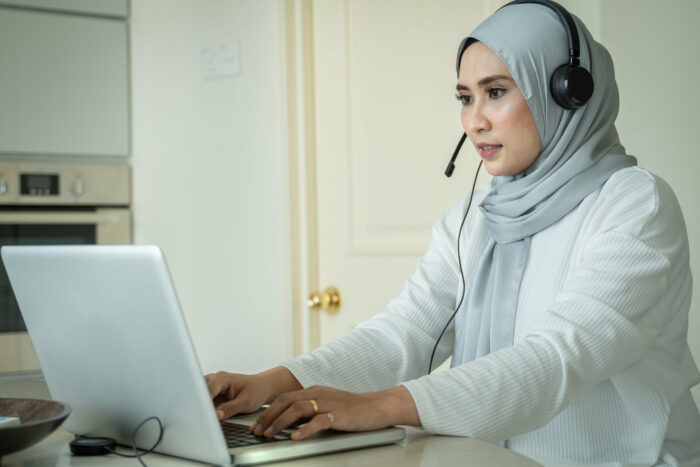
Although maternity leave has been extended from 60 to 90 days, this is less than the International Labour Organisation’s standard of 98 days.
Malaysia looks into law to protect gig workers
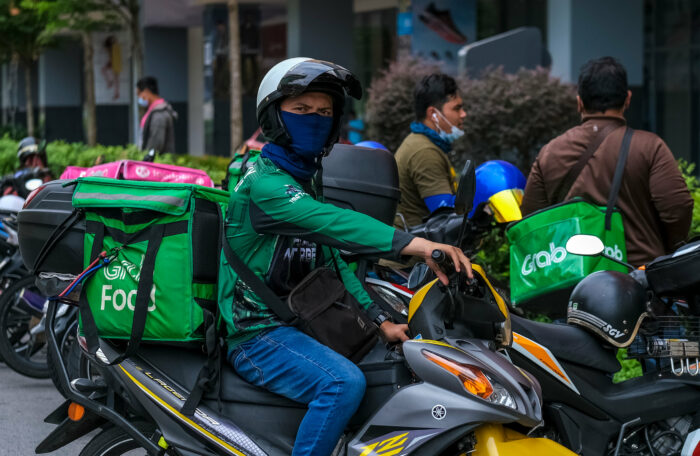
So far, gig workers only receive social protection under the Self-Employment Social Security Scheme under the Social Security Organisation.
Largest business lobby in Japan calls for more female worker support

Keidanren aims to reduce the number of women who are forced to quit their jobs to care for their children or nursing care for their parents.
Japan’s top union leader vows for better worker wages and conditions

Tomoko Yoshino said that gender inequality is also interwoven into Japan’s tax and pension system, and is part of a wider problem on workers’ rights.
Singapore to raise retirement and re-employment ages
The retirement and re-employment ages for employees will be progressively raised under the law to enable older Singaporeans to continue working.
Hong Kong to offer flexible employment for mothers

Chief Executive Carrie Lam noted that it was important to retain mothers in the workforce while offering them better childcare support.
India mulls reclassifying gig workers as employees

Gig and platform workers may be reclassified as employees in a major government policy move amid a changing employment landscape.
Singapore sets up job opportunities in HR for workers with disabilities
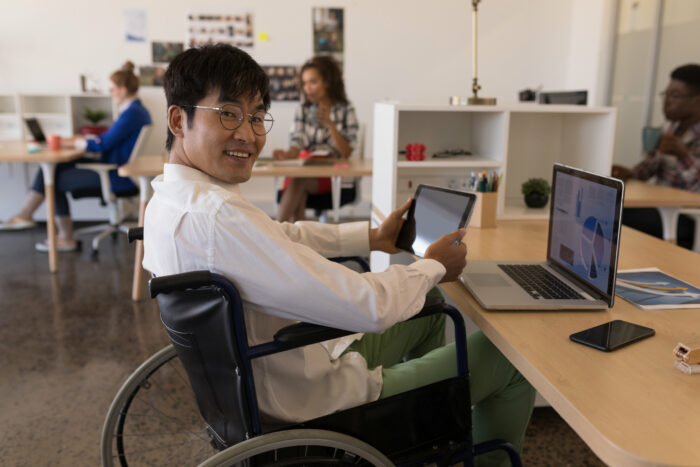
The programme will commence in the first quarter of next year, and will support up to 30 training and job opportunities.
Organisations are leaning into learning in a digital world

Benny Ramos, Director, Customer Success, Skillsoft, discusses how learning has played a central role in how organisations react to the pandemic.
Employment of older workers in Singapore rose in 2020

The employment rate of workers aged 55 to 64 has held steady at over 67%, despite the pandemic, says Singapore’s Manpower Minister.