

Indonesia pushes for gender indicators in business reports
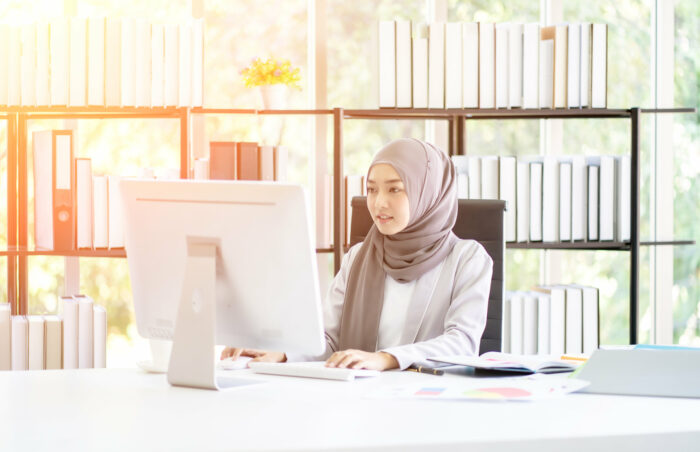
B20 Indonesia has recommended including gender indicators in mandatory business reports for companies in G20 member countries.
Singapore’s female employees want flexibility at work

About 54% of women in the city state want flexibility at work, but fear the stigma that comes with it, revealed a new LinkedIn survey.
Indonesia rolls out measures to narrow gender pay gap

The government has continued to enforce several measures to ensure equal pay for female and male workers, including setting up a labour watchdog.
Flexible working models needed to keep women in the workforce
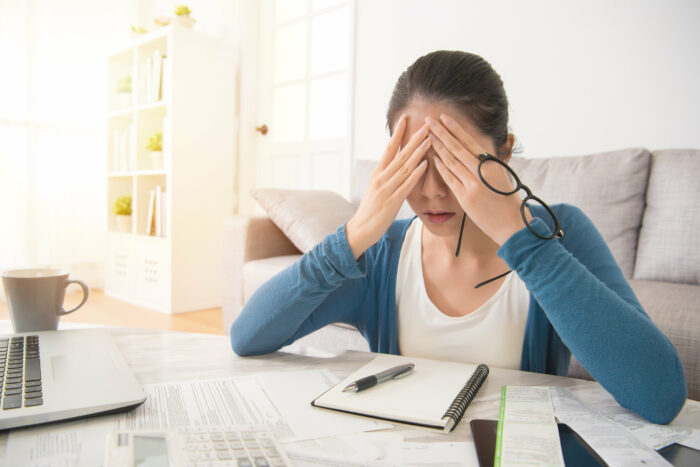
Employers should create a more accommodating working environment for women, urged a global social impact enterprise.
Japan revises law to make paternity leave more accessible

All companies must inform their employees of the paternity leave system, and confirm with to-be fathers whether they want to take the leave.
Moments that matter in the inclusion experience

Lexy Martin and Melissa Arronte explain how the Inclusion Experience Framework can help organisations connect to key employee outcomes.
Malaysia passes bill to increase maternity leave from 60 to 98 days

The bill, which was passed with a unanimous vote, would ensure women employees get enough rest and attract more women to enter the job market.
Singapore’s guidelines on fair employment practices to become law

A White Paper has proposed that the Tripartite Guidelines on Fair Employment Practices be enshrined in law.
Japan mulls mandating disclosure of average wages by gender
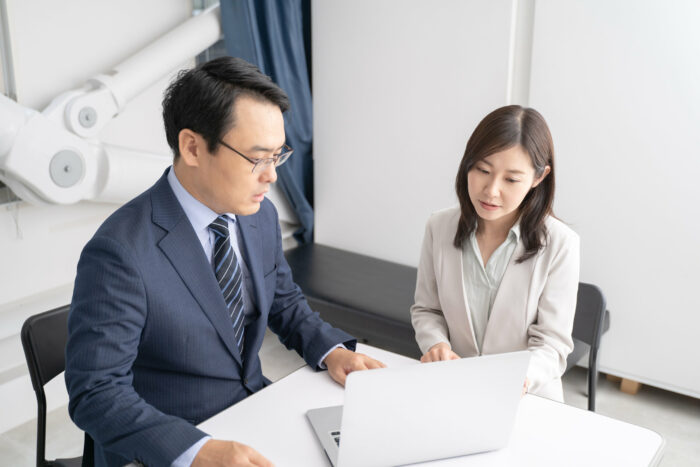
As part of efforts to reduce gender inequality, the government is also considering having firms disclose the ratio of male workers on childcare leave.
More needs to be done to address workplace racism in Australia

Less than a third of respondents of a recent survey said their company is proactively preventing racial discrimination in the workplace.
Thailand plots roadmap to gender equality in business

This aims to increase women’s empowerment in the workplace and Thailand’s progress towards sustainable socio-economic development.
Malaysian NGOs ask for support of seven-day paternity leave

An amendment to the Employment Act allowing three days of paid paternity leave was previously proposed, but the NGOs said that it was insufficient.
South Korea urged not to abolish gender equality ministry

Willem Adema, senior economist in the OECD, said the move is premature and gives a completely “wrong policy signal” in the fight for gender equality.
Thailand amends law for longer paid maternity leave

The Social Security Office has been asked to propose a legal amendment that ensures women entitled to 98 days maternity leave are paid in full.
Taiwan lawmakers seek stronger legal protection for working moms
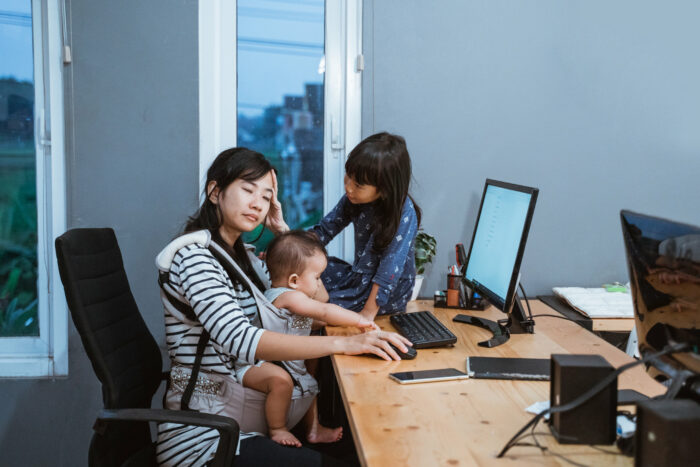
Faced with barriers of entry, women who want a return to work after giving birth often took a long time before they secured a new job.
Cambodia’s women entrepreneurs contribute significantly to economy

The number of women entrepreneurs in the kingdom has steadily increased over the years and currently 60% of enterprises are owned by women.
Creating a diversified, equitable, and inclusive workplace

A successful DE&I strategy can help organisations drive business outcomes and advance workplace gender equality.
Australia moves to reduce gender retirement gap

A baby bonus superannuation payment can reduce the gap between the retirement savings of men and women who go on maternity leave.
Singapore moves to help older PMEs transition to new jobs

Making the Jobs Growth Incentive permanent can help mature professionals, managers, and executives (PMEs) transition into new jobs, said MP Patrick Tay.
Employment of disabled workers increases in China

Some 8.62 million people with disabilities, including the self-employed and flexible workers, were employed in 2020, up from 8.55 million in 2019.
60% of women in Cambodia are business owners
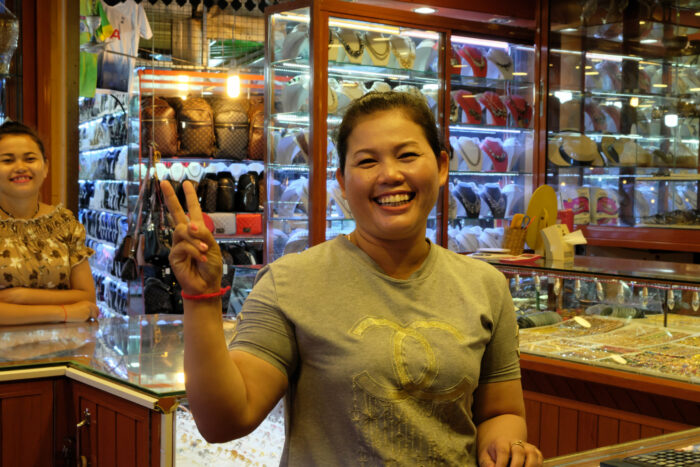
Minister of Labour and Vocational Training Ith Samheng has said that more than 60% of women in the kingdom are business owners or entrepreneurs.
Japan group set up to protect gig workers’ rights

Currently, gig workers are considered self-employed and therefore not guaranteed a minimum wage or employment insurance.
Gender pay gap in Australia falls to 13.8%

The full-time wage gap between male and female workers amounted to A$255 per week, marking the second lowest national pay gap in the last 20 years.
Malaysia partners with on-demand work platform to protect gig workers
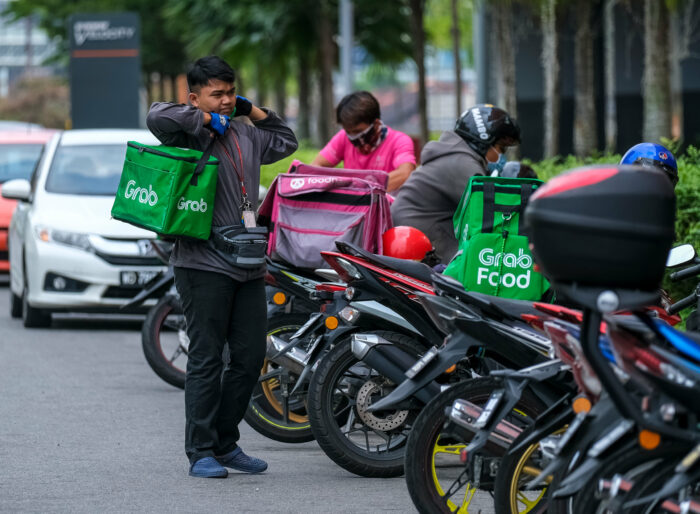
Gig workers on the platform with existing EPF accounts can give their consent to opt into the programme and set their contribution rate.
Taiwan’s gender pay gap rises to 15.8% in 2021

The pay gap between the hourly wage of male workers and that of female ones averaged NT$57 or 15.8% last year, according to the Ministry of Labour.
Singapore provides reskilling opportunities for older workers

Most of the people who have difficulty obtaining jobs are typically in their 50s and 60s and have educational qualifications below a diploma.
Indonesia’s Old Age Insurance Programme reverts to original role
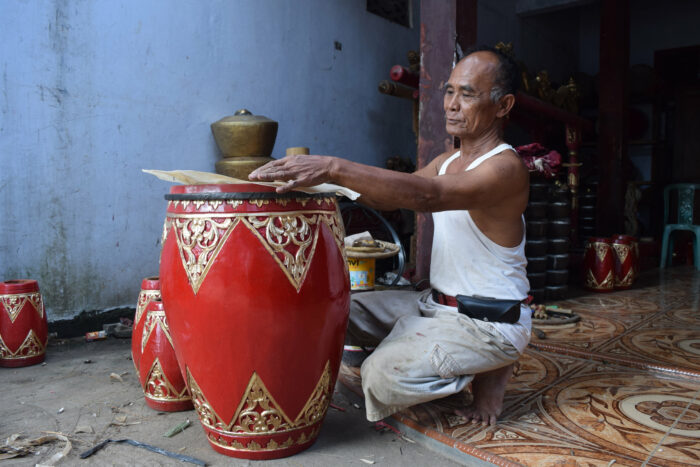
With the launch of the Job Loss Guarantee Programme (JKP), the Old Age Insurance Programme (JHT) will revert to protecting elderly workers.
Men in Australia twice as likely to be paid more than women

Some 22% of company boards also do not have a single woman on them, while less than one in five CEOs are female, a report has found.
Australia’s companies narrow gender super gap

About 49% of employers in the database of Workplace Gender Equality Agency (WGEA) pay super on their parental leave scheme.
The Philippine government urged to help repatriated migrant workers
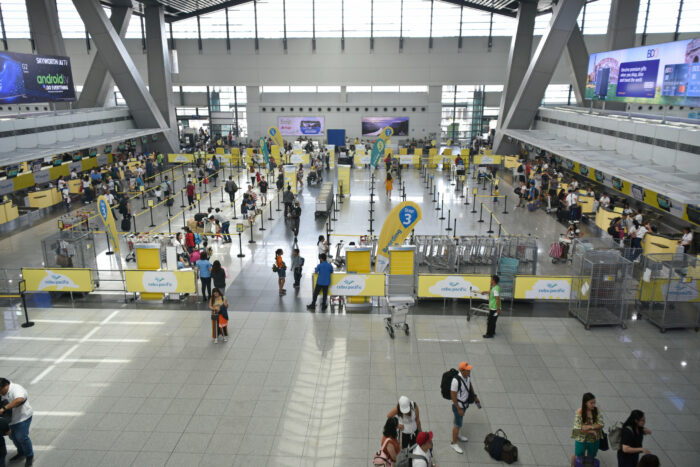
The Asian Development Bank (ADB) has said the unprecedented return of overseas Filipino workers (OFWs) is creating growing challenges.