
Empowering employee wellbeing in the new world of work

Achievers Workforce Institute identifies how organisations can understand wellbeing and drive wellness success.
More employees in Singapore received wage increases in 2021
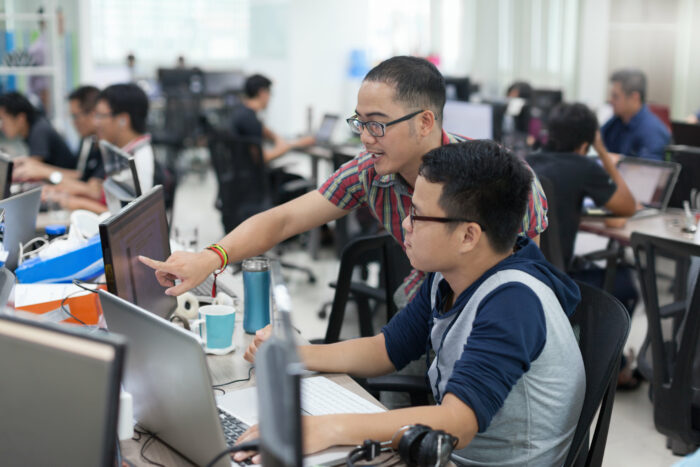
Total wage growth rebounded to pre-pandemic levels as businesses in the country continued their economic recovery.
Four-day workweek trialled in Australia and New Zealand

The four-day workweek has been advocated by some organisations, as a platform that can boost a better work-life balance.
South Korea moves to support long-term growth of SMEs

Working in tandem with the government, the heads of the nation’s five largest conglomerates have pledged their support for SMEs in the country.
Indonesia closes workplace gender gap through tripartite collaboration

The private sector, the government and non-governmental organisations have been urged to improve skills and promote women leadership.
Most South Koreans want women to keep working after childbirth

To address workplace gender inequality, most South Koreans support the return of women to the workforce after childbirth.
Some graduates in Japan struggle to find right job fit

The most common reason new graduates gave for leaving a job within three years was that the “job was not a good match” (40.1%), according to a survey.
Creating a more engaged workforce through reward and recognition

Working with Achievers, Dyson ANZ is reinventing their recognition and reward programme to deliver tangible business results.
Major Japanese businesses offer wage hike of over 2%

A survey, which covered 81 firms with 500 or more workers, found that 26 of the firms had their earnings returned to pre-pandemic levels.
China’s urban employees see average salary grow in 2021

The average salary of China’s urban employees in the non-private sector topped 100,000 yuan (US$14,929) for the first time.
The Great Recognition: Empowering change in the new world of work

A new report by Achievers explores how organisations can create a culture of recognition to drive organisational success.
Select regions in the Philippines to effect minimum wage increase

In Metro Manila, the revised minimum wage rate will be effective June 4, while the new wage rate will take effect on June 5 in Western Visayas.
Sexual harassment victims in South Korea face retaliation

More than eight out of 10 people who reported sexual harassment at the workplace said they suffered from some form of retaliation.
South Korea’s MZ generation prioritises work-life balance

Work-life balance is the most important factor for Korea’s MZ generation (Millennials and Generation Z), according to Korea Enterprises Federation (KEF).
China’s Jiangsu province moves to subsidise maternity leave

Companies in the province would be reimbursed for 50% or 80% of the social insurance paid to women who have a second child or a third child, respectively.
Malaysia raises paternity leave to seven days

Malaysia’s Parliament has amended the Employment Act, which will extend the three-day paternity leave to seven days.
Minimum wage hike expected across regional boards in the Philippines

So far, the wage boards of Metro Manila and Western Visayas have approved the minimum wage hike in various sectors.
A successful flexible work strategy begins by focusing on employees
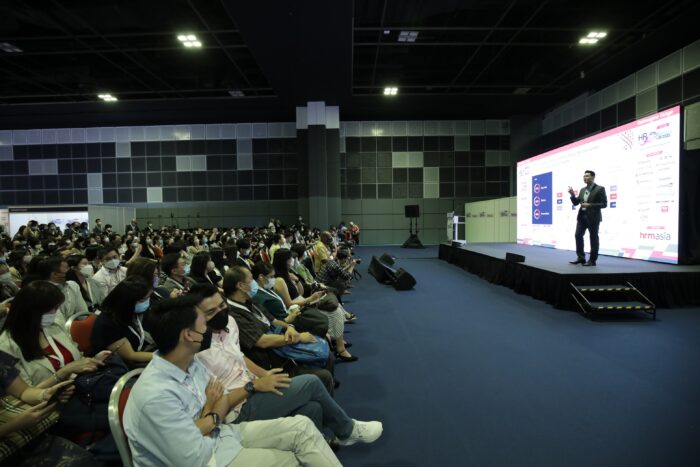
HR Tech Festival Asia 2022 brought Asia’s HR community together to reimagine the future workforce to optimise business impact.
Indonesia pushes for adaptive workers’ protection

This, Indonesia, believes, is a necessary move to protect all stakeholders in meeting the challenges of a changing world of work.
South Korea approves US$46-billion budget to help COVID-hit businesses
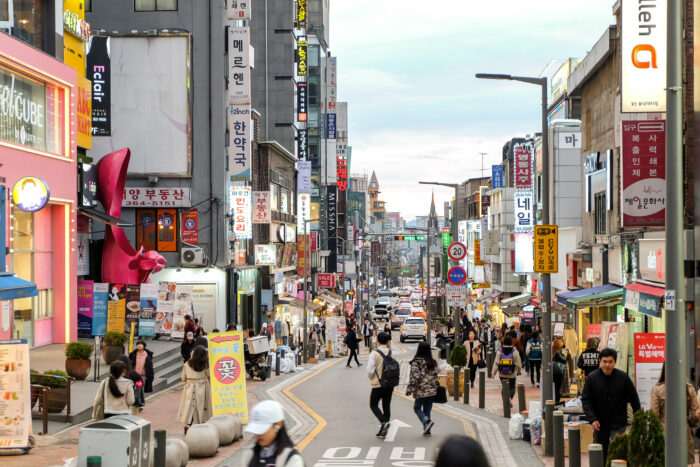
The Cabinet has endorsed the supplementary budget worth 59.4 trillion won (US$46 billion) in its first meeting under the Yoon Suk-yeol administration.
Study finds that video-conferencing could hamper creativity

The authors noted that video conferencing potentially curbs creative idea generation because participants’ gaze is focused on a screen.
Flexible working shaping the future of work in ASEAN
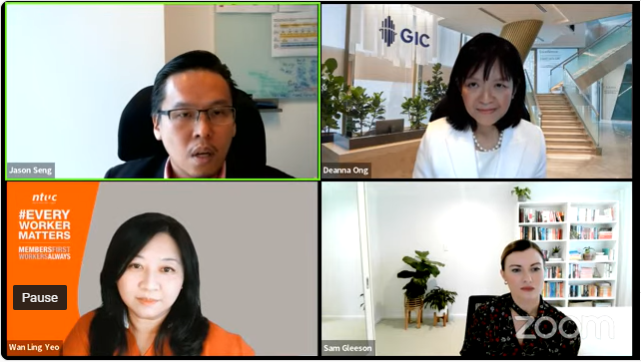
The ASEAN Future of Work conference examined the major shifts affecting the future of work in South-East Asia, including flexible work.
Addressing employee needs critical for sustained organisational growth
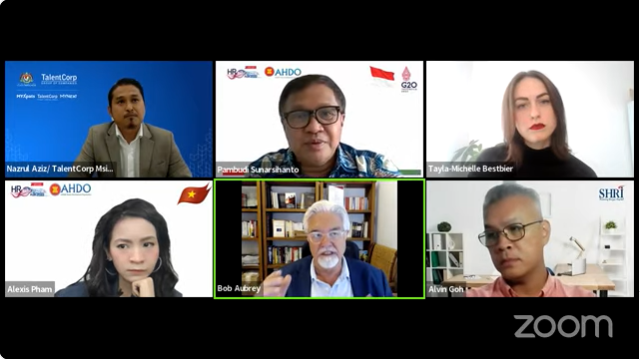
Moving to the virtual platform, HR Tech Festival Asia 2022 highlights why an organisation’s people are key to long-term success.
Number of employed persons in Malaysia rises to record high

The number of employed persons rose to a record high of 15.77 million in March 2022 from 15.73 million in the preceding month.
Some 140,000 employers sign up for Hong Kong government subsidy
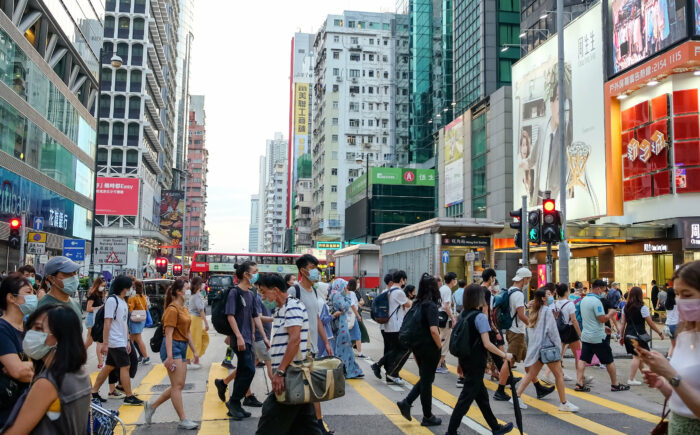
The scheme subsidises the wages of some 1.2 million workers up to HK$8,000 over the months of May, June, and July.
Asia’s HR community rethinks workforce and workplace strategies
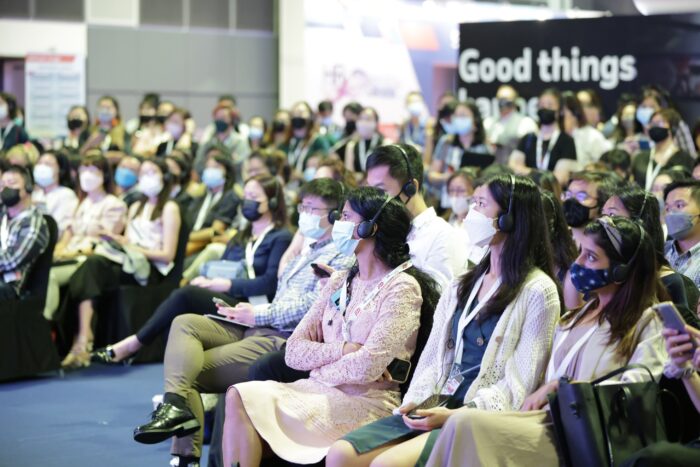
The in-person HR Tech Festival Live saw Asia’s HR community come together to discuss the role of HR in today’s world of work.
Provision of care services could create 300 million jobs worldwide: ILO

Of the new roles, women could hold 78% of these new jobs and 84% of these would be formal employment.
Australia trade union urges for hike in minimum wage
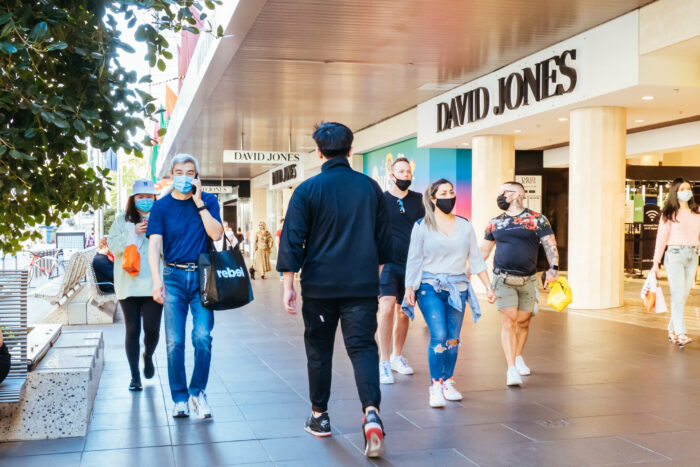
To mitigate the effects of rapidly rising inflation, a major Australian union is calling for the minimum wage to be increased by 5.5%.
Almost half of jobs in New Zealand supported by government subsidy
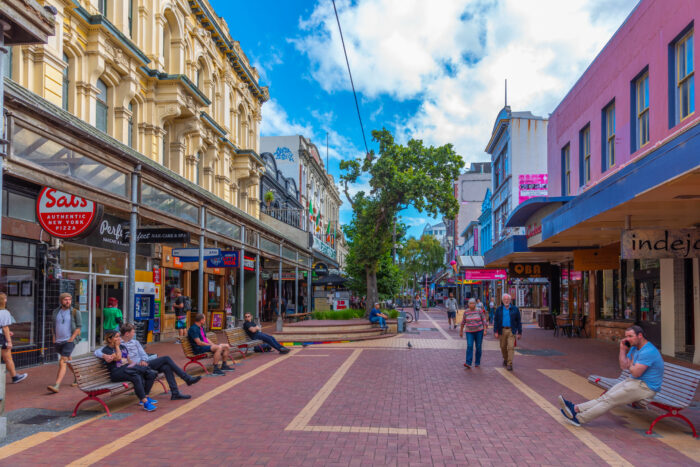
The subsidies were key in helping the economy recover from the impact of the pandemic, said the Minister for Social Development and Employment.
HR Tech Festival Asia 2022: What’s happening on Day 1
Kicking off HR Tech Festival Asia 2022 is HR Tech Festival Live, the first in-person HR event to be held in Singapore.