

Employers in New Zealand get US$252 for self-isolating staff

The government has launched the Short-Term Absence Payment (STAP) – a scheme to help businesses and staff affected by the pandemic.
Hong Kong seeks to relax subsidy criteria for low-income workers
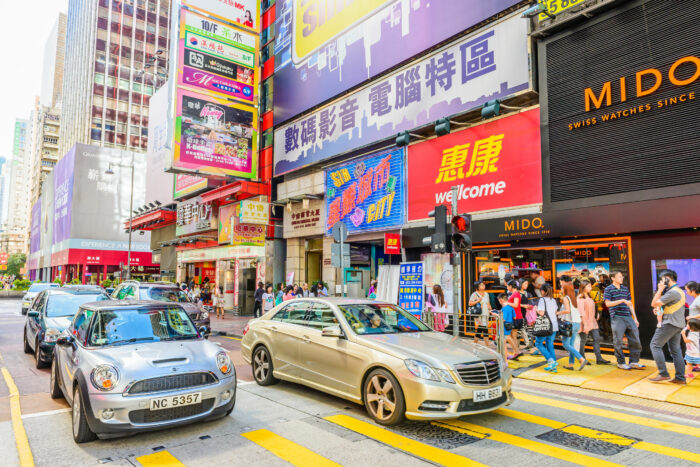
The basic subsidy for low-income families, once relaxed, would benefit around 24,000 more underemployed households.
Singapore employers not looking to adjust pay despite new norm of WFH

Most employers are not considering adjusting their staff’s salary even as remote working has become a trend.
MEF wants all economic sectors to resume operations in Malaysia

The continued closure due to movement controls will inevitably lead to bankruptcy and unemployment, cautions the Malaysian Employers’ Federation.
Some 300,000 Australians benefit from wage hike

This covers the country’s retail, fast food and warehouse workers, as well as those who work in aviation, arts and recreation, and tourism.
Thailand prepares to launch pandemic relief package
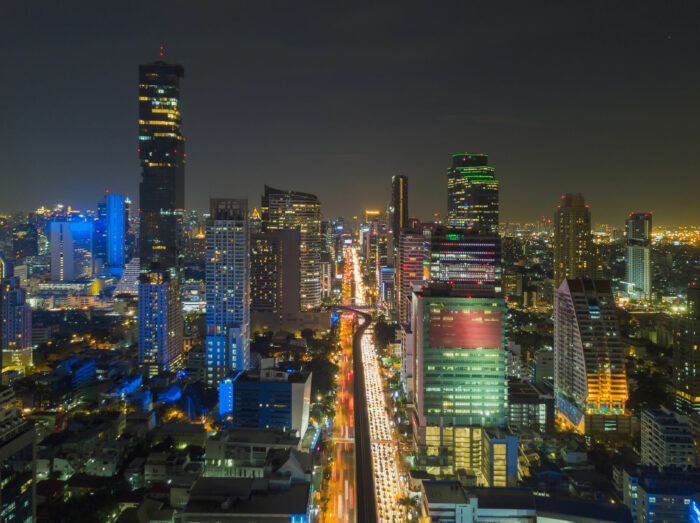
Prime minister Prayut Chan-o-cha has given the go-ahead for financial aid costing 40 billion baht to help employees left out under previous schemes.
Japan’s non-regular workers yet to receive compensation for forced leave
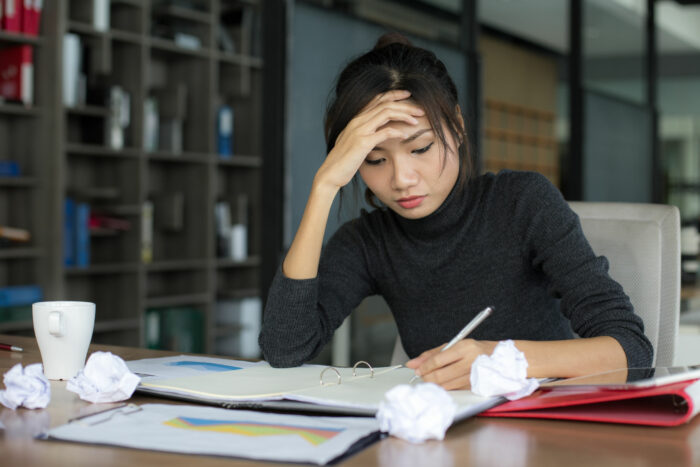
Some 33.4% of non-regular workers received no compensation for forced leave, as compared to 14.8% for regular staff, a survey shows.
South Korea mulls additional relief for self-employed and small businesses
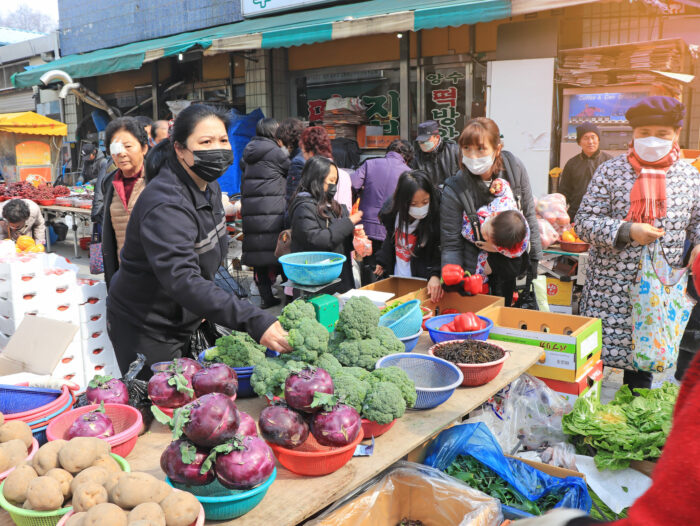
The supplementary budget is reported to be in the scale of 20 trillion won (US$17.9 billion) to 30 trillion won (US$26.8 billion).
Malaysia eschews strict lockdown to keep jobs

Finance minister Tengku Zafrul Aziz said the government will not impose a strict lockdown as it would impact the country’s 900,000 SMEs severely.
Hong Kong’s minimum wage to remain at HK$37.50 an hour
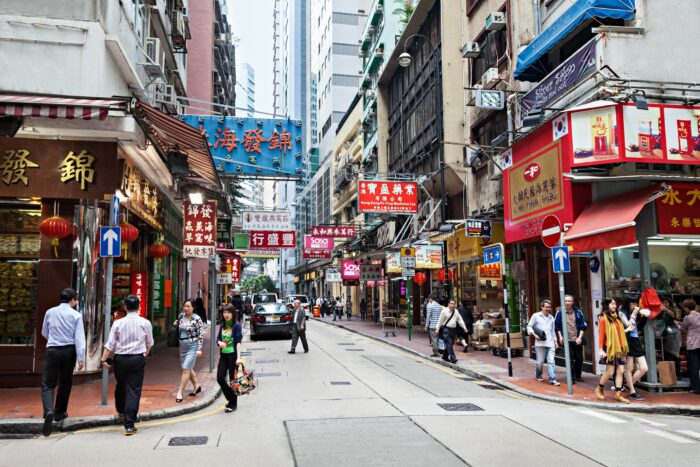
The decision was made after a review from government officials, academics and business representatives showed majority consensus.
Union calls for wage subsidies in the Philippines
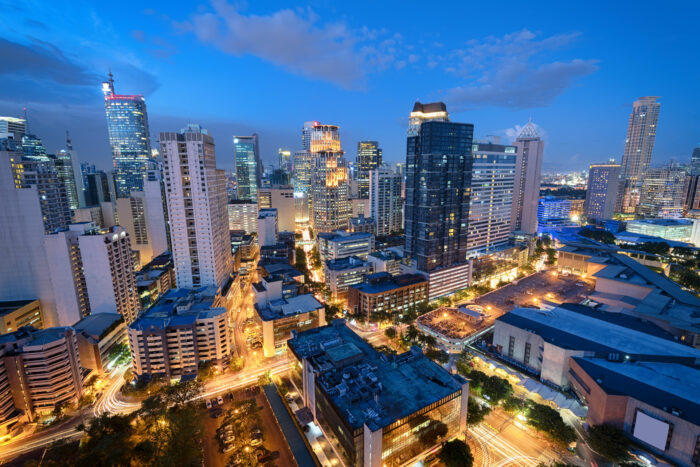
The Trade Union Congress of the Philippines (TUCP) has called on the government to provide immediate subsidies for workers struggling financially.
Singapore fines companies which breached COVID-19 safety rules

The Ministry of Manpower (MOM) has fined 42 more companies for not following workplace safety regulations.
Companies in Malaysia to help with COVID-19 vaccination and tests
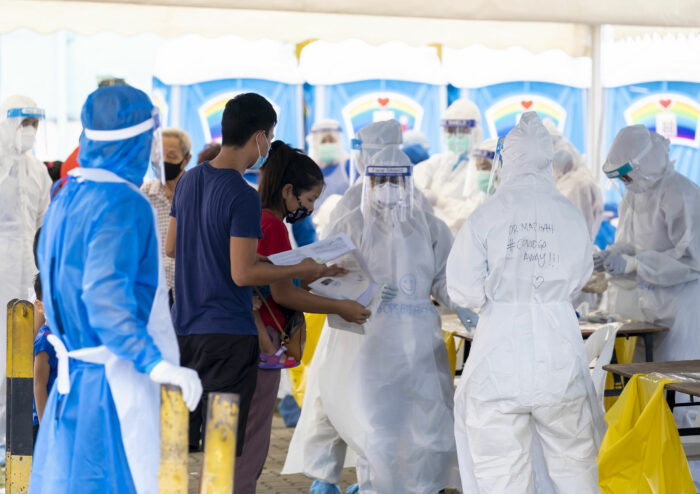
This will help the country manage the economy better, and help industry players affected by the pandemic, Malaysia’s HR minister says.
New Zealand’s union calls for sick leave for new employees
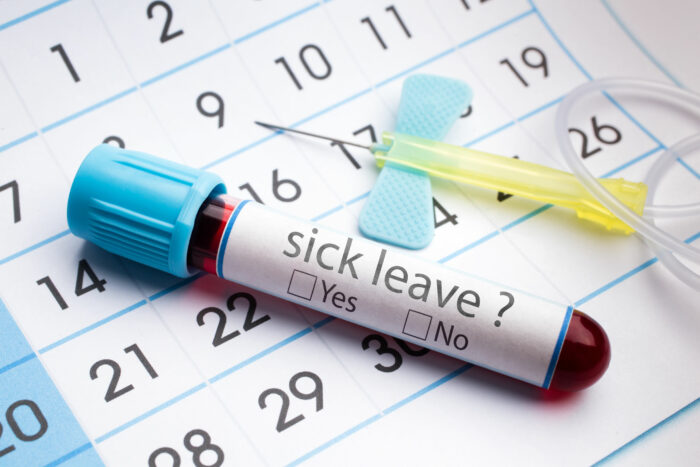
The Council of Trade Unions (CTU) is pushing for the removal of the rule that workers must be employed for six months before getting sick leave.
Taiwan protects working rights of middle-aged and senior workers
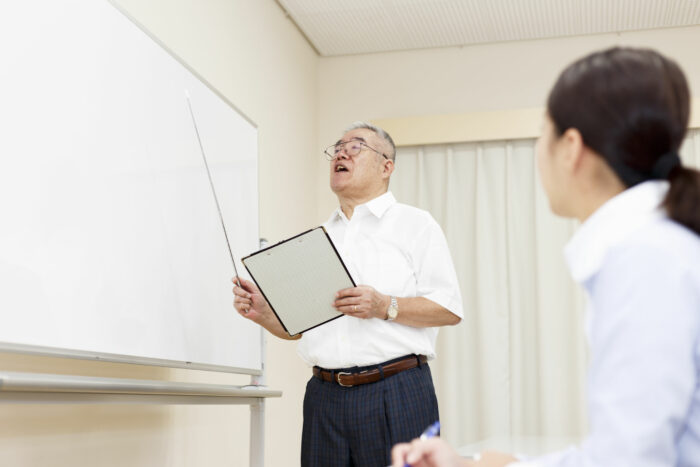
The Executive Yuan has passed a new Act to address the challenges of an ageing population and potential future labour shortages.
Only 37% of firms meet Japan government’s push to telecommute
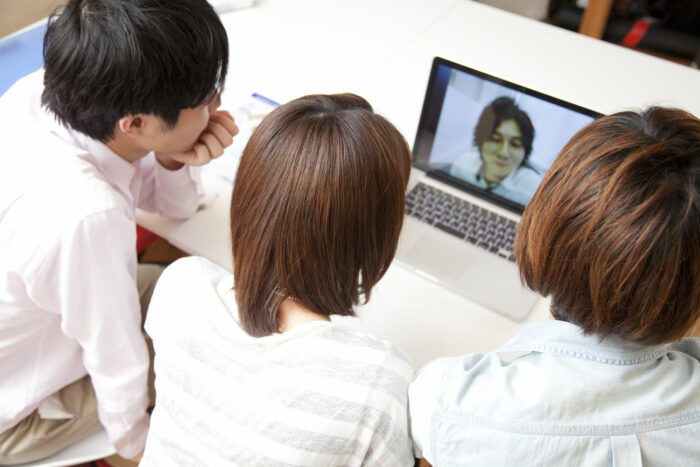
The survey by business lobby Keidanren also found that the number of people commuting to work was reduced by 65%, or around 870,000.
Malaysia’s wage subsidies total RM20.7 billion in payouts
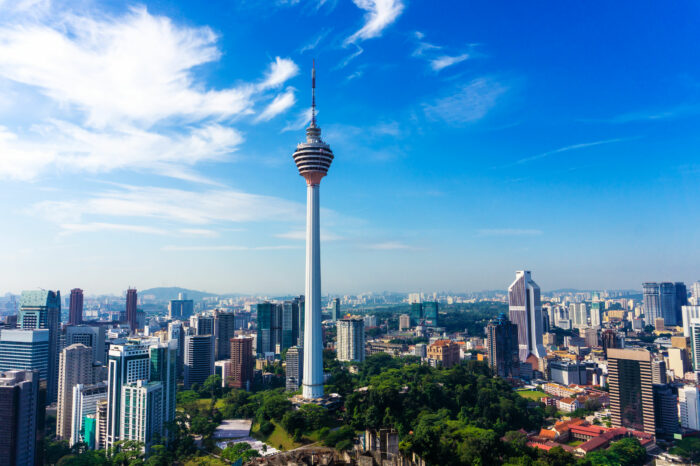
The third phase of the country’s wage subsidy programme will receive an additional injection of RM500 million.
Women in India hit harder in employment due to pandemic

Out of those who could retain their jobs, about 83% of women workers in India faced a severe income drop, said Oxfam India.
Top employers are reinventing the role of HR

Working with Asia-Pacific’s top organisations, Top Employers Institute is continuing to identify trends in HR strategies and workplace practices.
Employers in Singapore urged to adopt hybrid working arrangements

Multi-ministry COVID-19 taskforce co-chair and education minister Lawrence Wong has said a total work-from-home arrangement is “not doable”.
Pandemic dulls outlook for pay hikes at Japan’s annual wage talks

Japan’s Business Federation says companies should have more financial leeway and pay hikes are unrealistic amid the economic uncertainty.
Majority of employees in Taiwan generally satisfied with jobs

A survey by the Ministry of Labour (MOL) found that 71.2% of workers were generally satisfied with their jobs, with 3.7% being dissatisfied.
Malaysia: Reskilling workers better strategy than wage subsidies

The government’s strategy to mitigate the effects of the pandemic should be to upskill or reskill workers instead of continuing to pay wage subsidies.
Japan government revises paternity leave to promote time off

The government has been encouraging men to take paternity leave, but the practice is not common in Japan, which suffers from a declining birth rate.
Pandemic causes South Korea’s wage disparity to widen
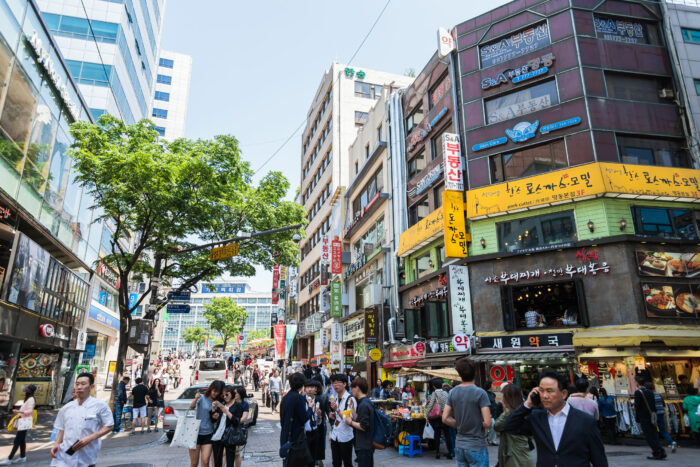
The Korea Employment Information Service (Keis) said South Korea’s income gap increased by 4% year-on-year in 2020 due to the fallout from COVID-19.
Singapore maintains work-from-home as default option

Under current safe management measures, peak-hour travel on public transport in January has risen by 11%, compared to November 2020.
China mulls harsher penalties for workplace safety breaches

Lawmakers are proposing heavier disciplinary measures on workplaces which violate workplace safety in an effort to enhance risk management.
Japanese politician proposes 4-day work week

Member of the Japan House of Councillors Kuniko Inoguchi is backing a bill that would give workers a four-day work week.
Malaysia steps up delivery of Permai package
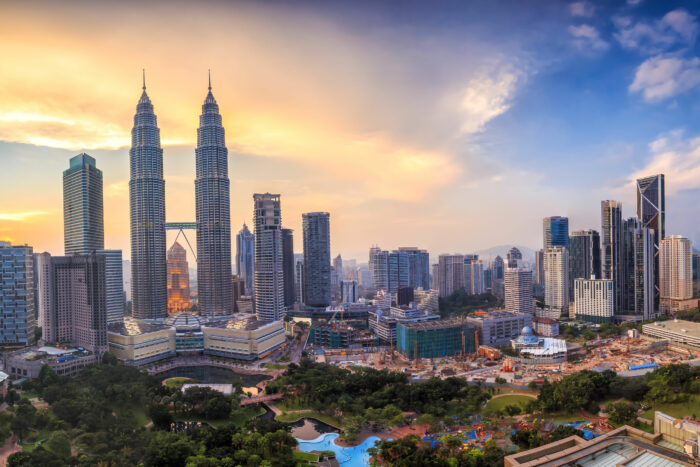
The Social Security Organisation (Socso) has committed to the quick implementation of the Permai financial package.
More South Korean workers are working two jobs

Among new recruits last December, some 407,000 people had experience working at a second job, data shows.