
Build a healthier workforce by asking employees to take regular breaks

To meet deadlines, employees are not taking enough breaks to alleviate the stress and fatigue they are facing at work.
Keeping new hires beyond the first year of employment
Organisations may need to do more to prevent new hires from taking the increasingly common route of returning to their previous employers.
Why being adaptable in the workplace can benefit women

Women who display adaptive team member behaviour are recognised more than men, a University of Western Australia study has found.
Building a distributed workforce for organisational success

Jane Lee, Head of Asia-Pacific Sales at Remote, highlights the importance of building a global talent marketplace to attract and retain the best talent.
GM streamlines the recruitment process to hire the best talent
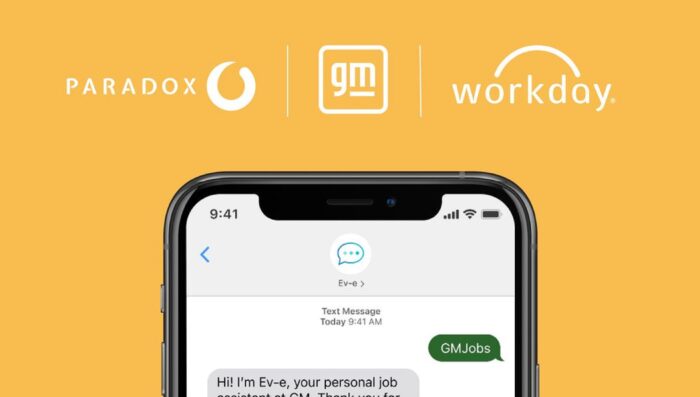
General Motors is automating interview scheduling with Paradox’s conversational AI assistant, resulting in a more efficient and positive candidate experience.
Gender imbalance fuels skills shortages in Australia’s workforce
Australia has set targets to increase women’s participation in male-dominated industries to address skills shortages.
Breaking down borders: klikit finds hiring solution with Deel
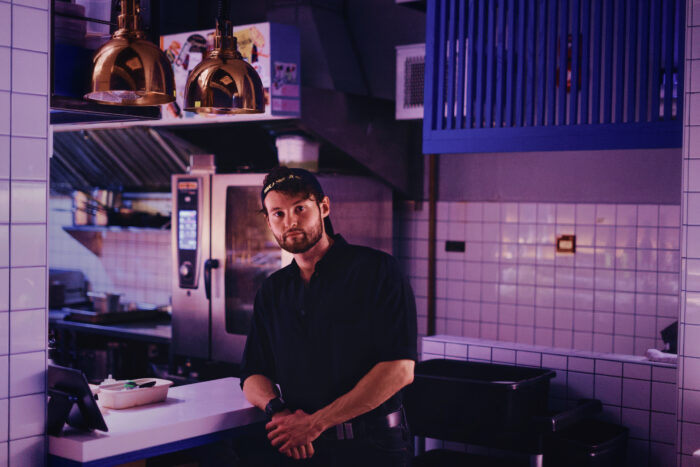
Chris Withers, Founder and CEO of klikit, shares how Deel’s platform helped the F&B software start-up hire globally while expanding across Asia-Pacific.
Empowering HR teams to build a more supportive work culture

Many HR professionals in Singapore are experiencing burnout and need more mental wellbeing support from their organisations, according to a new survey.
Future-proofing the workforce can start from within
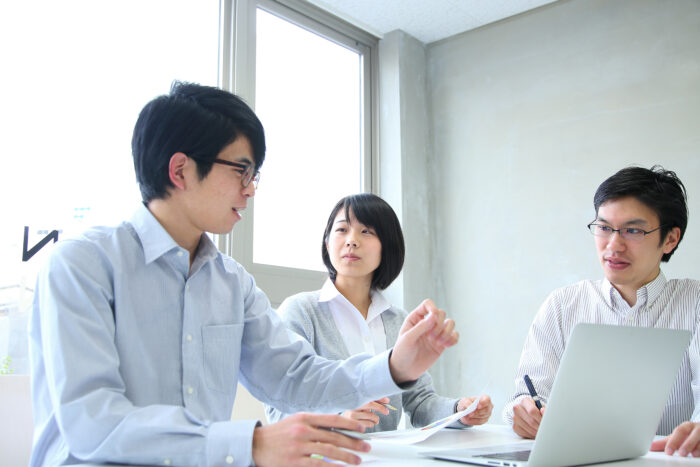
Taking a skills-based approach to investing in the future of employees is the best enabler to future-proof an organisation, says Anne Fulton.
Stay employed by being relevant, employees in Malaysia told

Employees in Malaysia have been urged to do their part to stay productive so that they can continue to contribute to their organisation’s success.
Next-generational mobility for the multi-generational workplace

Rachele Focardi, Founder of XYZ@Work, shares how organisations can build the workforce of the future through Next Generation Mobility.
Creating a winning EX formula to retain your best talent

Gavin Morse, Senior People Scientist, Culture Amp, shares how organisations can elevate employee experience to retain their best talent.
Employees in the UK call for shorter workweek
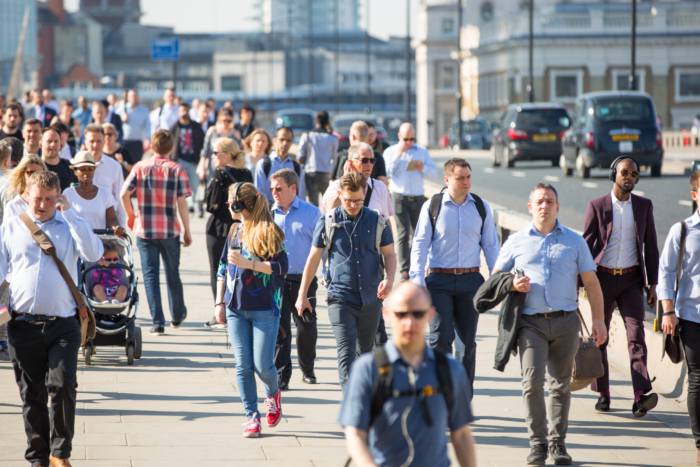
Employees who participated in a four-day work week trial want the arrangement to stay and their employers are ready to oblige.
Ceridian and partners accelerate HR transformation in Asia

Through the expansion of the Ceridian Partner Network, Ceridian will work with partners to deliver HCM capabilities to customers in Asia.
Foster a sustainable future: Reflecting ESG values in the workplace
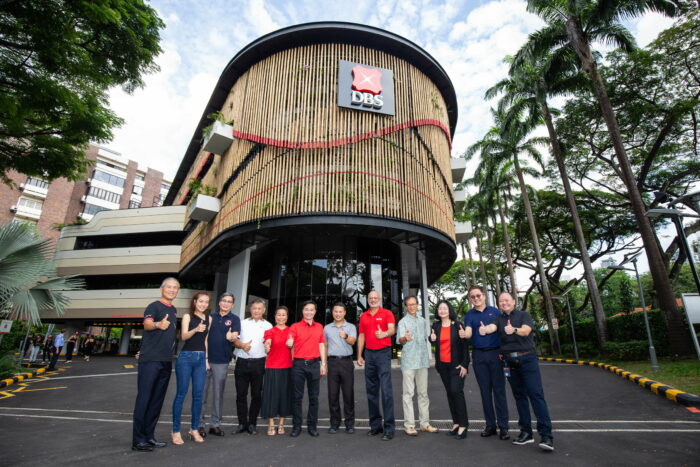
Ng Ying Yuan, COO for Group Human Resources, DBS, shares the bank’s commitment to sustainability and how this has won buy-in from employees.
Hiring evolution: Employers and job seekers must be prepared for change

Both employers and job applications should expect the hiring process to evolve, highlighting the importance of adaptability in today’s job market.
APAC led strong global hiring trends in 2022

Global hiring grew across many regions in the world, with the majority of job roles designed to be performed remotely, according to a new Deel report.
Opportunities to learn encourage employees to delay retirement

By creating age-inclusive work environments that supports training, organisations can retain more retirement-age employees.
Workplace flexibility is king, but many employers are falling short
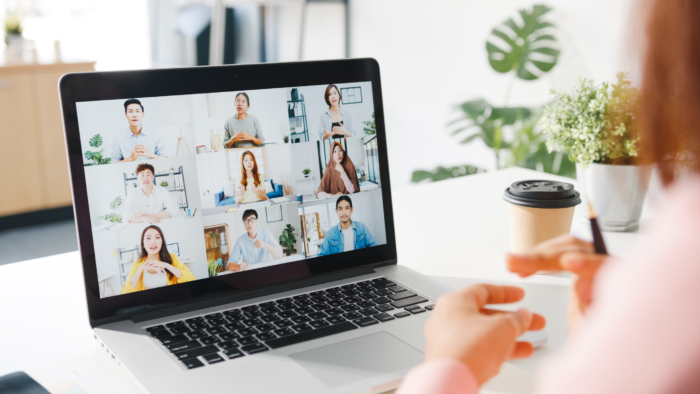
Flexibility working is crucial for retaining employees, but they need more control over their working arrangements to make the most of hybrid work.
The upside of having a favourite employee, or two

Contrary to popular belief, workplace favouritism may not always be negative and can have positive effects on team performance.
Building workplace resilience by embracing employee wellbeing
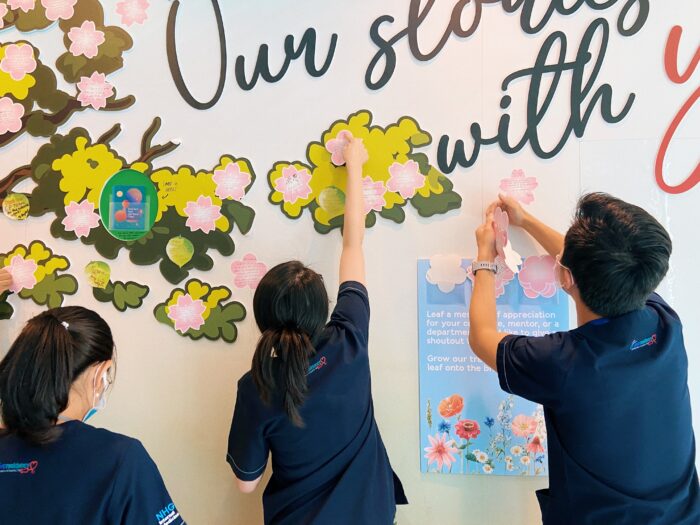
Speaking with HRM Asia, TTSH’s Lek Jie Ying highlights how the hospital is helping employees overcome the challenges posed by the pandemic.
Striking the right balance between in-person and remote work

Despite employees’ desire for flexibility, Ajay Banga, former Mastercard CEO, says in-person work remains crucial to building personal connections.
Family-work balance: Supporting the sandwich generation in the workplace

An employers’ organisation has called on employers to create a supportive environment for employees caring for both children and elderly parents.
How financial accounting is holding talent management back

While sound talent management can yield significant financial rewards, traditional accounting strategies often do not reflect these benefits.
Why executive pay cuts could be the ‘bold move’ your organisation needs

The reduction of top executives’ salaries provides HR with the opportunity to strengthen employee morale and retention during a period of layoffs.
Why leaders should be the last to speak during meetings

For meetings to be effective and achieve their goals, employees should be encouraged to speak ahead of managers and leaders.
Is flexibility the solution for the future workplace?

Flexible working arrangements (FWAs) can help increase productivity and retain talent, but organisations need more support to implement them.
A workplace for all: Developing a culture of inclusivity

Juliana Tan, Human Resource Director, UNIQLO Singapore, shares the clothing apparel company’s strategies for creating a fulfilling work environment.
Singapore strengthens fair employment guidelines

Employers are encouraged to consider employees’ cultures, values, and beliefs in any activities, programmes or policies that are not work-related.
A purpose-driven work culture unlocks people’s potential

Kara Cheung, General Manager, Hong Kong and Macau, Amgen, explains the importance of setting up a purpose-driven work culture.