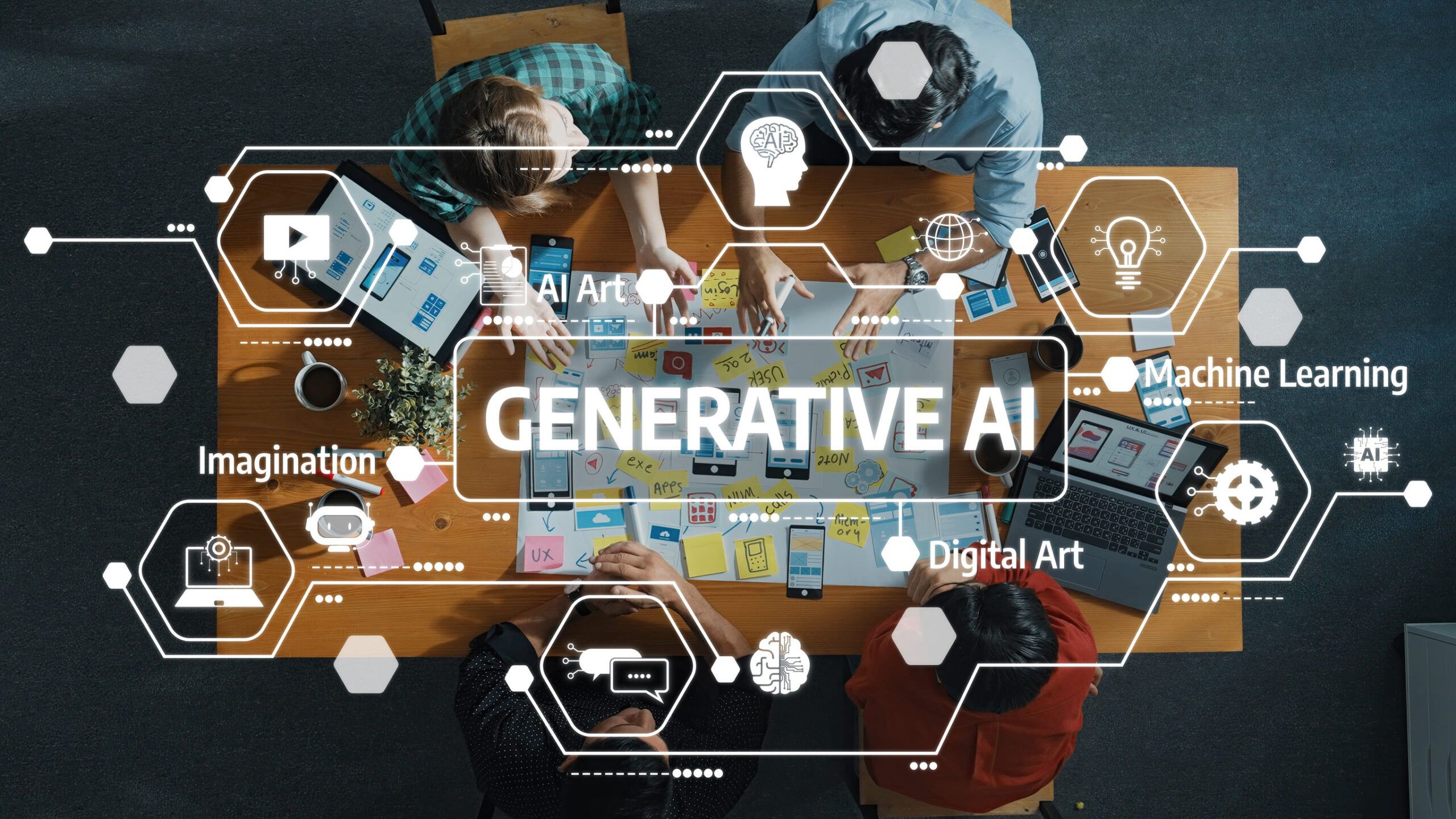

As organisations race to adopt AI and adapt to accelerating disruption, a new paradox is emerging: Many are investing heavily in future readiness while simultaneously underinvesting in the very talent most capable of delivering it.
Early-career hiring, long viewed as a pipeline issue, is becoming deprioritised in some organisations and reimagined in others.
At the same time, leaders acknowledge growing concerns about workforce readiness, particularly regarding skills, adaptability, and AI capabilities. The result is a disconnect that few organisations have fully confronted: The path to becoming future-ready runs through early-career talent.
The imperative for being future-ready
Recent research by the Institute for Corporate Productivity (i4cp) makes clear that future readiness is not defined by technology adoption alone.
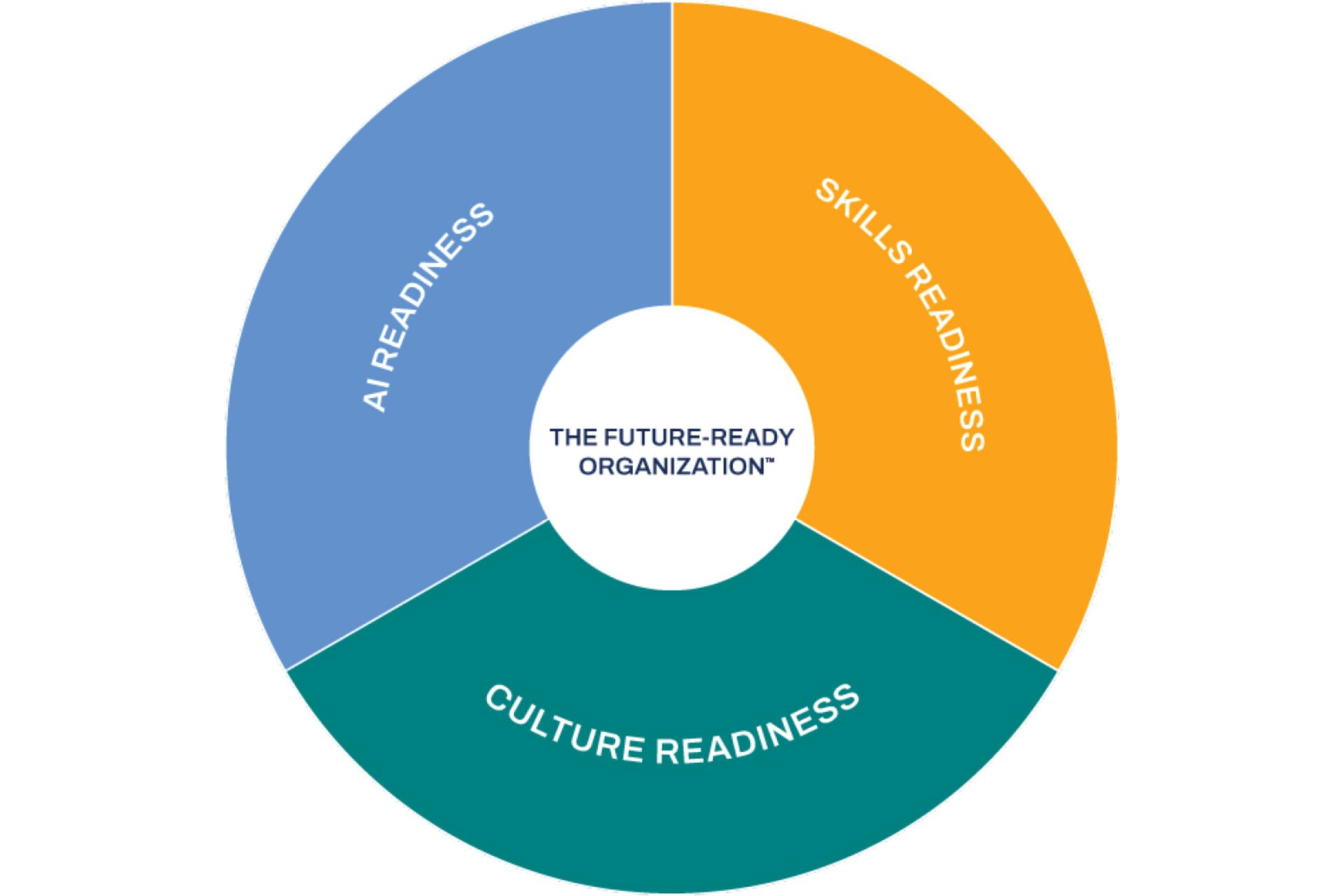
Organisations achieve future readiness when three capabilities operate in alignment: a culture that embraces change, a workforce with evolving skills and the ability to harness AI at scale.
Yet most organisations consider these areas to be separate elements or initiatives. Cultural efforts sit apart from workforce development, which, in turn, is disconnected from AI strategy. This lack of integration is more than a structural issue: It is a strategic risk. Organisations that successfully align culture, skills and AI are twice as likely to sustain superior performance compared to those focused on technology alone.
Despite this, confidence in workforce readiness remains low. Across CEOs, board directors and HR leaders, most express concern about whether their organisations have the skills needed for the near future. Few believe their organisations are fully and effectively preparing employees to work alongside AI. In many cases, organisations are experiencing what can only be described as an “illusion of readiness”—a belief that strategy and technology are in place, without corresponding investment in workforce capability.
The overlooked leverage point
This is where early-career talent enters the equation—not as a peripheral concern, but as a central lever for alignment.
Early-career employees sit at the intersection of the three pillars of future readiness:
Culture: They tend to adopt and reinforce organisational norms faster than any other segment of the workforce. If an organisation seeks to build adaptability, agency and learning agility into its culture, early-career talent is where those behaviours can take root.
Skills: They represent the longest runway for capability development. Investments in early-career hiring and development compound over time, shaping the organisation’s future skill base.
AI readiness: They are often the most receptive to new tools and ways of working, making them critical to scaling AI adoption beyond pilot programmes. And soon, early-career talent will enter the workforce as AI natives.
In other words, early-career talent is not simply part of the workforce—it is where culture, skills and AI converge in practice.
A growing contradiction
Despite this, many organisations are moving in the opposite direction. Early-career hiring has declined in some sectors, driven by cost pressures, automation expectations and a preference for “ready-made” talent. At the same time, organisations are prioritising new skills, investing in AI and exploring how work will change.
These trends are at odds with one another.
Organisations cannot simultaneously reduce entry-level hiring and expect to build a future-ready workforce. Without a steady pipeline of early-career talent, skills gaps will widen, internal mobility will stall, and reskilling efforts will become more reactive than strategic. Research already shows that organisations lacking workforce foresight tend to respond to talent shortages only after they arise, rather than preparing for them in advance.
The long-term implications are significant. When early-career pathways weaken, organisations lose the ability to shape capability from the ground up. Instead, they become increasingly dependent on external hiring to fill gaps—often at higher cost and with less alignment to culture and strategy.
From pipeline to strategic asset
Future-ready organisations are beginning to rethink this approach. They are shifting from viewing early-career talent as a volume-based hiring category to treating it as a strategic asset for long-term capability building.
This shift involves several key moves:
- Embedding early-career talent in skills shortages: Rather than hiring for roles, leading organisations are hiring for capabilities, aligning early-career recruitment with future skill needs.
- Designing AI-enabled career pathways: Early-career employees are given structured opportunities to build AI literacy and apply new tools, accelerating both individual development and organisational adoption.
- Prioritising internal mobility early: Instead of fixed career ladders, organisations are creating pathways that allow early-career talent to move across roles and functions, building breadth and adaptability over time.
- Integrating development with business strategy: Learning investments are directly tied to evolving business priorities, ensuring early-career growth aligns with future needs.
These practices reflect a broader mindset shift: Workforce capability is not a downstream outcome of strategy—it is a core input into it.
Closing the gap
Ultimately, the challenge facing leaders is not simply how to prepare for an AI-enabled future, but how to align the systems that enable that future to take hold.
Culture, skills, and AI readiness are often discussed as separate domains, but employees experience them as a single reality. Nowhere is that reality more visible—or more malleable—than among early-career talent.
READ MORE: The architecture of work is changing: HR must own the blueprint
Organisations that overlook this connection risk reinforcing the very gaps they are trying to close. Those that act on it, however, can turn early-career talent into a powerful engine of adaptability, capability and growth.
Future readiness is not built through isolated initiatives or short-term investments. It is built through alignment—and that alignment starts earlier than most organisations think.
About the Author: Lorrie Lykins is Vice-President of Research at the Institute for Corporate Productivity (i4cp). This article was first published on HR Executive.