
Engineering the future workforce: How Micron builds a “living architecture” for learning and innovation
- Josephine Tan
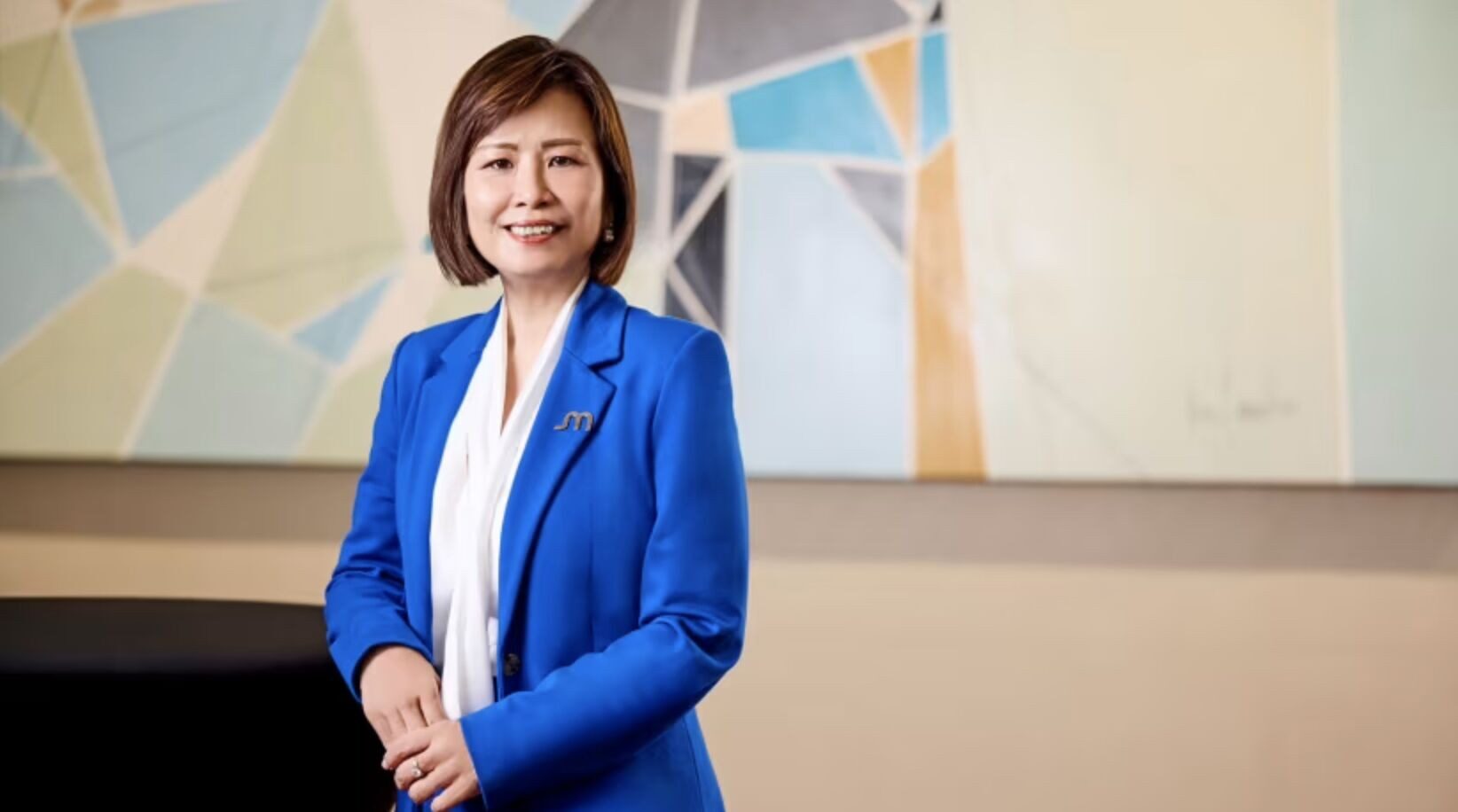
At Micron, the organisation’s ability to innovate and navigate change starts with its people. Sim Cher Whee, Corporate Vice-President, People Strategy, Technology and Talent Acquisition, Micron, shares with HRM Asia how Micron builds a culture that equips employees to be curious, adaptable, and future-ready, Through initiatives such as AI-powered upskilling, inclusive leadership development, and a comprehensive focus on wellbeing, the semiconductor manufacturer creates an environment where employees can grow, take risks, and contribute to business resilience.
Given the tech industry’s constant volatility and rapid transformation, how does Micron ensure its culture not only drives business resilience and innovation but also prepares employees to be curious, adaptable, and ready to reskill for roles that may not yet exist?
Sim Cher Whee: Our vision to transform how the world uses data to enrich life for all starts with our people—they are at the heart of everything we do. We have built our culture around our 9,000+ Singapore team members, preparing them not just with today’s skills, but with the resilience to thrive through growth and volatility.
Our approach begins with working directly with our team members to redesign jobs and identify skills gaps and emerging capabilities. We leverage AI-powered learning platforms that personalise development paths, ensuring each person builds the interdisciplinary skills needed for roles that have not been invented yet. We also introduced training programmes like an in-house AI upskilling initiative—now in its second cohort and supported by Workforce Singapore as part of the Career Conversion Programme—to train our team members in applying tools such as Microsoft Copilot and generative AI (GenAI) to extract insights, anticipate risks and improve project planning.
Beyond technical capabilities, we invest holistically across five dimensions of wellbeing: physical, mental, social, career, and financial. Combined with leadership development that strengthens cognitive and interpersonal skills, this creates an environment where people feel secure enough to embrace change and drive innovation from within—because we know that when people flourish, innovation flows. Together, these initiatives build the business resilience needed to navigate an uncertain future.
Can you define what a “learning ecosystem” looks like in a complex manufacturing and R&D environment like Micron? What takeaways can HR leaders in non-tech sectors adapt from your approach to create a culture of learning?
Sim: The definition of skills is evolving, and more than just the technical know-how, interdisciplinary abilities like critical thinking, adaptability and effective communication skills are equally essential. A learning ecosystem, to me, is less a catalogue of programmes and more a living architecture that makes skill growth inevitable.
At Micron, our learning ecosystem is built on three interconnected foundations: the work, the worker, and the workforce. Everything starts with work redesign—we continuously evaluate and reshape roles to help team members understand their skill gaps and unlock emerging capabilities that drive both individual growth and business innovation.
We operationalise this through the 70:20:10 learning model. 70% comes from the work itself as the primary teacher—people learn best when solving real-world problems, so most growth comes from on-the-job experiences and challenges. We intentionally design some challenges to stretch beyond existing capabilities, creating opportunities for skill development through practical application.
20% comes from learning through others: the relational dimension, where we create social scaffolds so learning is coached and shared rather than solitary. Reverse mentoring, peer coaching, and team-based projects convert isolated training into collective skill development, guiding team members through their growth journey with human support. The final 10% involves structured courses and training through platforms like Micron University, our internal online learning platform. This ensures team members have the foundational resources and formal training needed to succeed in their evolving roles. Together, these instruments create a symphony of experiential learning, helping team members grow in their roles and beyond.
For HR leaders in any sector, the key principle is recognising that effective learning ecosystems require all three elements working together: continuously redesigning work to understand skill gaps, empowering team members to drive their own development with a growth mindset, and providing comprehensive workforce support through multiple learning pathways. More importantly, we need to create an environment where team members have their leaders’ support and each other as motivation to pursue continuous learning.
Psychological safety is vital amid transformation. When leading through high-pressure, uncertain periods common in the tech industry, what does inclusive leadership look like in practice in Micron, and how are leaders trained to normalise vulnerability and encourage risk-taking?
Sim: Psychological safety at Micron stems from our foundational belief that enriching life for all requires embracing diverse perspectives and creating a safe space for every voice to contribute. Inclusive leadership here is not just about welcoming differences—it is about actively seeking diverse ideas, because inclusion fuels innovation. Our leaders practice “leading with a heart for people,” ensuring transparent communication about the “why” behind every decision, especially during uncertain periods. With the right support, platforms and resources, team members can share their own learning journeys and uncertainties, as well as speak up to challenge the norms and contribute their ideas freely. When our CEO learns from new graduates through reverse mentoring, it sends a powerful message that growth and continuous learning happen at every level.
What makes this distinctive is that our culture is built from the ground up by team members themselves, giving them a genuine sense of belonging. Our six employee-led resource groups (ERGs) and over 30 interest groups create communities of belonging where team members drive initiatives that fuel innovation and build collaboration.
READ MORE: Building workforce capabilities and resilience for the future
Back in 2018, we started out with one ERG, four committees, and no interest groups. Now we have six ERGs, over 20 committees, and over 40 interest groups. Our Micron Voice surveys, conducted annually, also provide everyone with regular opportunities to share feedback anonymously. More importantly, we commit to action on those inputs, and we diligently follow through. This is how our workplace experiences continue to evolve—because we actively listen and respond to what our team members need to thrive together.
This journey of truly listening to our people has been transformative. We have moved from ninth place to first in Great Place to Work rankings because we have put people at the centre of how we operate. These practices are the foundation for creating psychological safety and fostering continuous cultural growth.
For HR leaders looking to build trust within their organisation systemically, what are the daily leadership behaviours or routine practices that yield the highest return on investment in a trust-building culture?
Sim: Trust is built through consistent, small actions, especially during challenging periods. Our highest-ROI-trust-building practices centre on transparency, open communication, and follow-through—whether we are navigating difficult times like Covid, industry volatility, or periods of significant growth in the semiconductor sector.
Leaders explain not just what decisions are made, but why they are made and how they serve our mission. They share decision-making processes transparently, ensuring rationale cascades throughout the organisation.
Follow-through is where trust is truly cemented, when we receive feedback through our Micron Voice surveys or employee suggestions. From the survey results, we identified gaps in several areas, explored ways to implement recommended solutions, and then collected feedback again. One example is the success of ERG committees and interest groups, which have thrived over the years in response to employee feedback.
The key insight for HR leaders: trust compounds when people see their development directly connected to business success and understand how decisions are made. When leaders combine transparent communication about the “why” with consistent follow-through, trust becomes a measurable organisational asset that enables transformation.