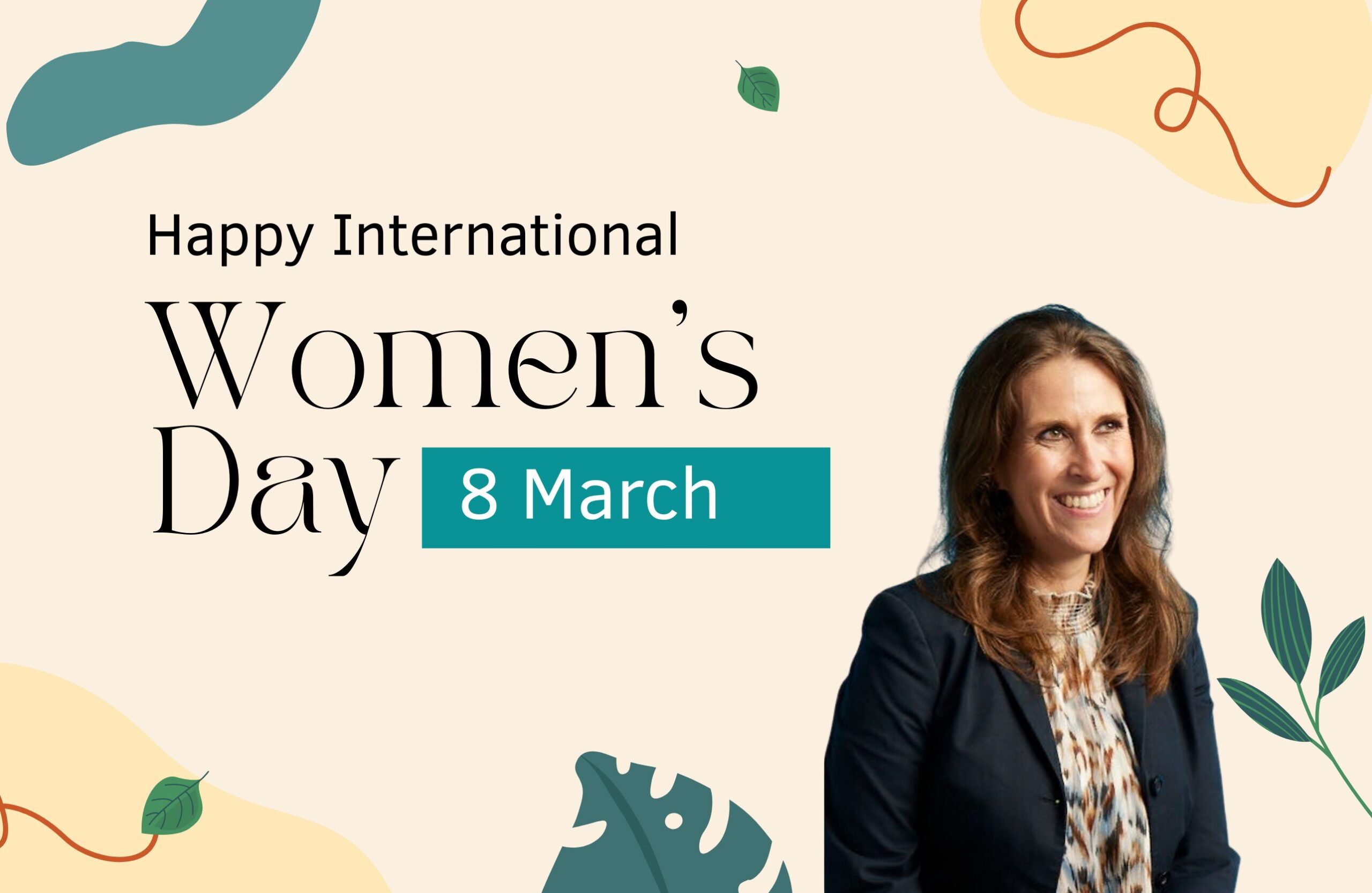
“Equity in AI is not just about fairness. It is about economic participation.” – Koren Wines, Managing Director, Xero Asia
Some people see AI as a passing trend. Others see it as a technological revolution that will fundamentally reshape how we work and live.
I see it as something else, an opportunity: a chance to reset, to level a playing field that has been notoriously unequal.
As we mark International Women’s Day in a world which is changing at an unprecedented pace, conversations about equity and privilege feel more urgent than ever. And for me, AI sits right at the centre of that conversation.
AI is lowering barriers to entry at a remarkable speed. It allows people, regardless of background, geography, or technical expertise, to do things that once seemed out of reach faster, smarter, and at scale. For those who have faced these barriers, such as small and medium-sized enterprises (SMEs), this is transformative. It means they can compete with much larger organisations in ways that were previously impossible.
That’s the opportunity. But here’s the question we need to ask ourselves: will AI become a powerful equaliser, or will it quietly reinforce the very inequalities we are trying to dismantle?
AI is not neutral and that’s important
AI is increasingly embedded in the way organisations operate. It powers financial decisions, customer engagement, hiring processes and credit assessments. It shapes recommendations and influences real-world outcomes.
But AI does not exist in a vacuum. It is built by people and trained on historical data. And history, as we know, has not always treated women equally. When development teams lack diversity, blind spots can become embedded in the systems they create. Yesterday’s bias risks becoming tomorrow’s automated decision.
We are already seeing examples globally, from financial tools that offer different advice to women to credit models that disadvantage female founders because they are trained on historically male-dominated datasets.
For women-owned businesses, this is not theoretical. It directly affects their ability to survive and grow.
Having run small businesses myself, I know how critical it is to have fair access to capital. One unjustified lending decision can stall growth or shut a business down entirely. Multiply that across an ecosystem, and the impact is significant.
Equity in AI is not just about fairness. It is about economic participation.
Diversity is the foundation
If AI is to unlock opportunity, the teams building it must reflect the diversity of the people using it. Equity is not a “nice to have”. It is an economic imperative.
At Xero, we are intentional about this. Women represent 63% of our leadership team and 44% of our overall workforce. That matters because representation shapes decisions, product design and ultimately customer outcomes.
However, representation on its own is not enough. We need to be intentional about the environments we create.
Inclusive leadership is not just about programmes or policies. It is about how leaders show up every day. It means inviting different perspectives, listening with curiosity and being open to new ideas. When diverse voices are part of the conversation from the start, the technology we build becomes stronger, fairer and better suited to the people and businesses it is meant to serve.
A new leadership test in the AI era
Every International Women’s Day is a moment to reflect on progress, privilege and where there is still work to do. This year, one of the clearest measures of progress is how we approach AI.
Technology alone does not guarantee advancement. Intentional leadership does.
The AI revolution will only fulfil its promises if it is built with, and for, everyone. And this is where there is still work to do. Equity and diversity cannot be retrofitted later; they must be embedded from the start.
When we get this right, we do not just build fairer systems. Inclusive organisations are more innovative. More resilient. More globally competitive. They build products that serve broader markets, and they do it better.
In the AI age, inclusivity is our greatest competitive advantage and responsibility.
About the Author: Koren Wines is Managing Director of Xero Asia.