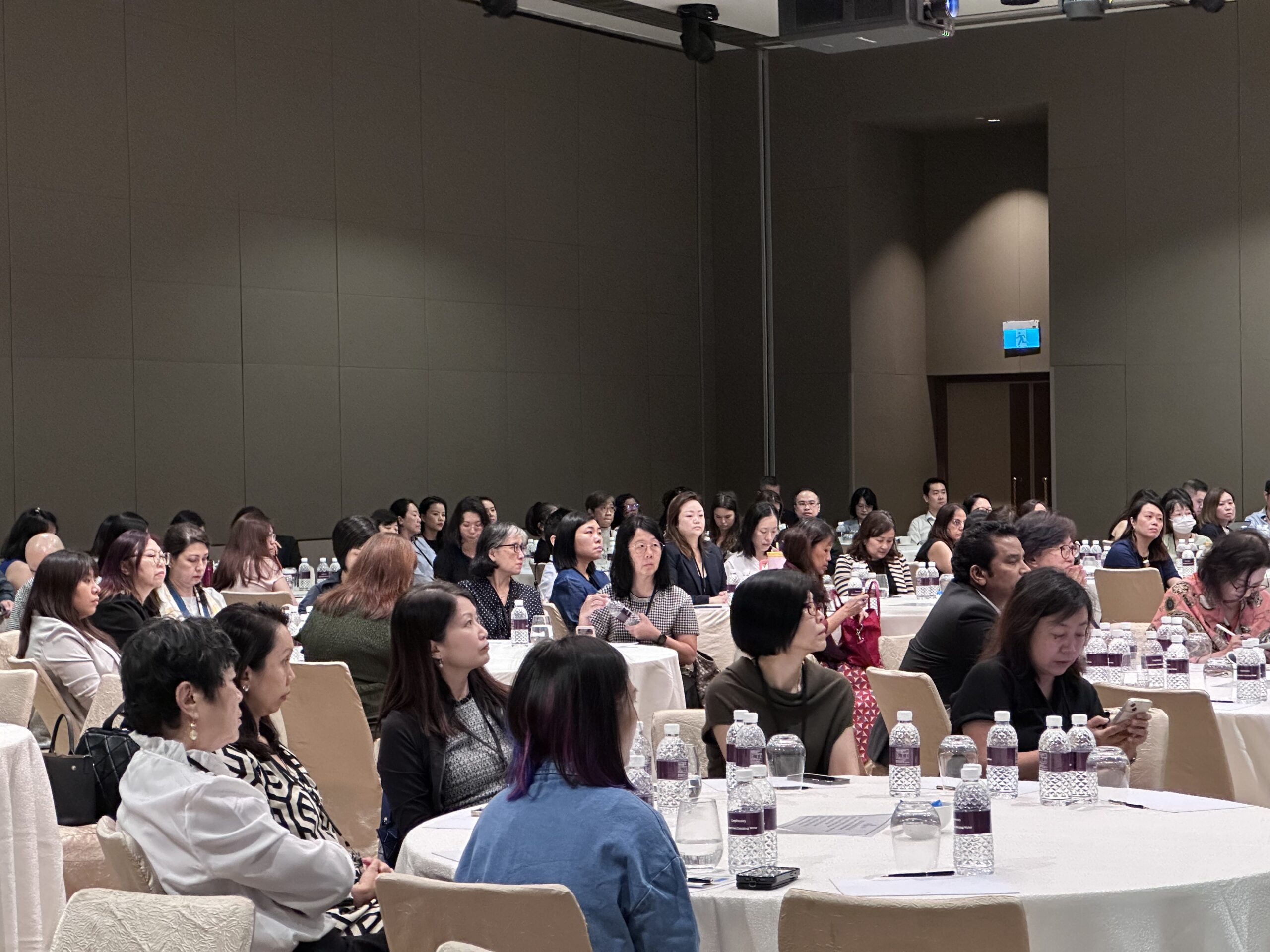

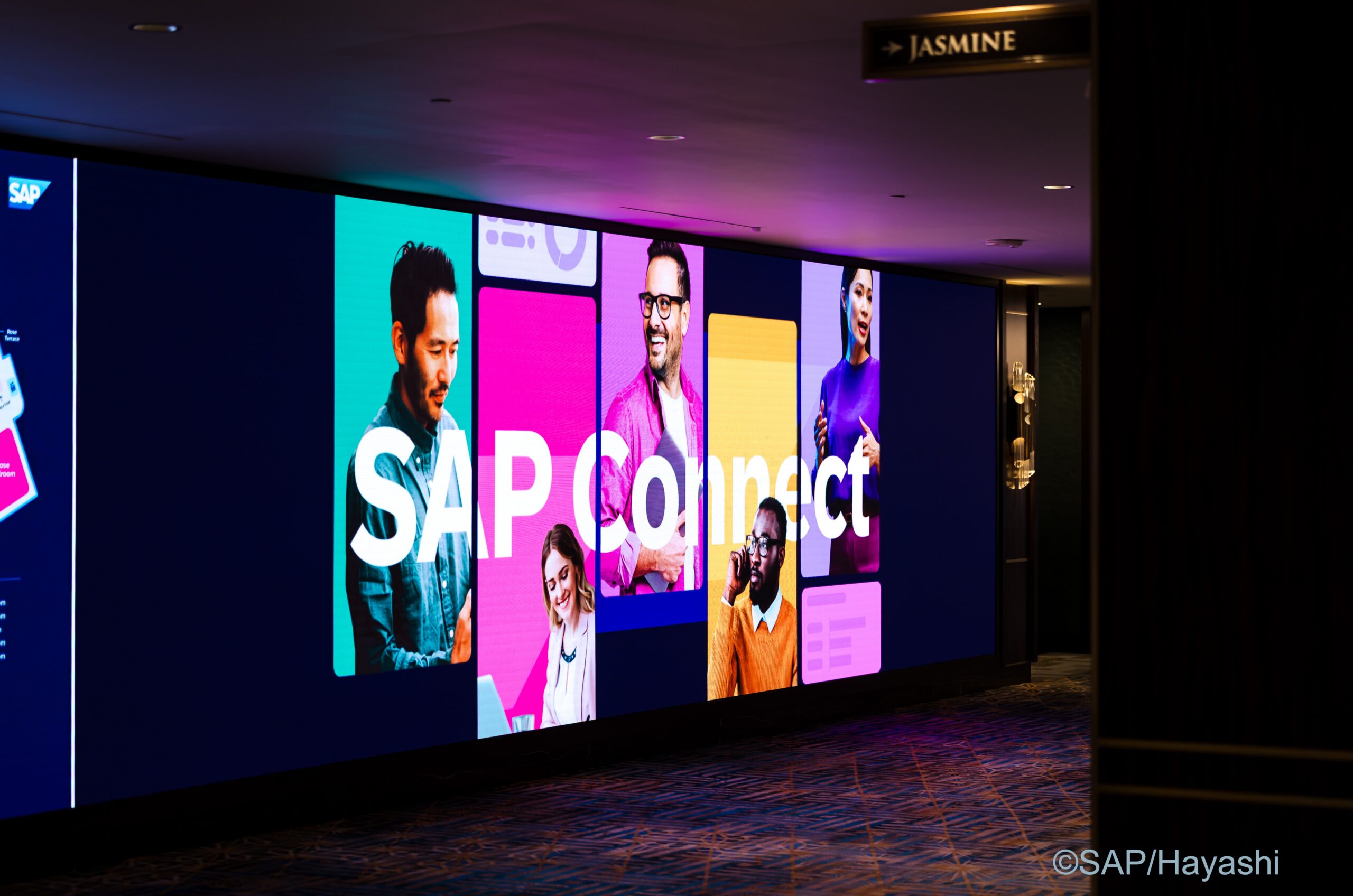
At the inaugural SAP Connect 2025, held in Las Vegas from October 6-8, HRM Asia attended to witness SAP reveal a bold vision of how AI, data, and applications will integrate to transform the way work is performed. More than a demonstration of technology, the event provided a comprehensive view of the emerging dynamics shaping the workforce—where people and intelligent systems work together seamlessly to generate value, strengthen resilience, and foster ongoing learning.
From next-generation AI assistants that collaborate with employees to the rise of “skills as the new supply chain”, SAP’s message was clear: in the age of intelligent business, the most successful organisations will be those that foster both technological and human agility.
Below are five key takeaways from SAP Connect 2025 that HR and business leaders should pay attention to:
1. AI moves from tool to teammate
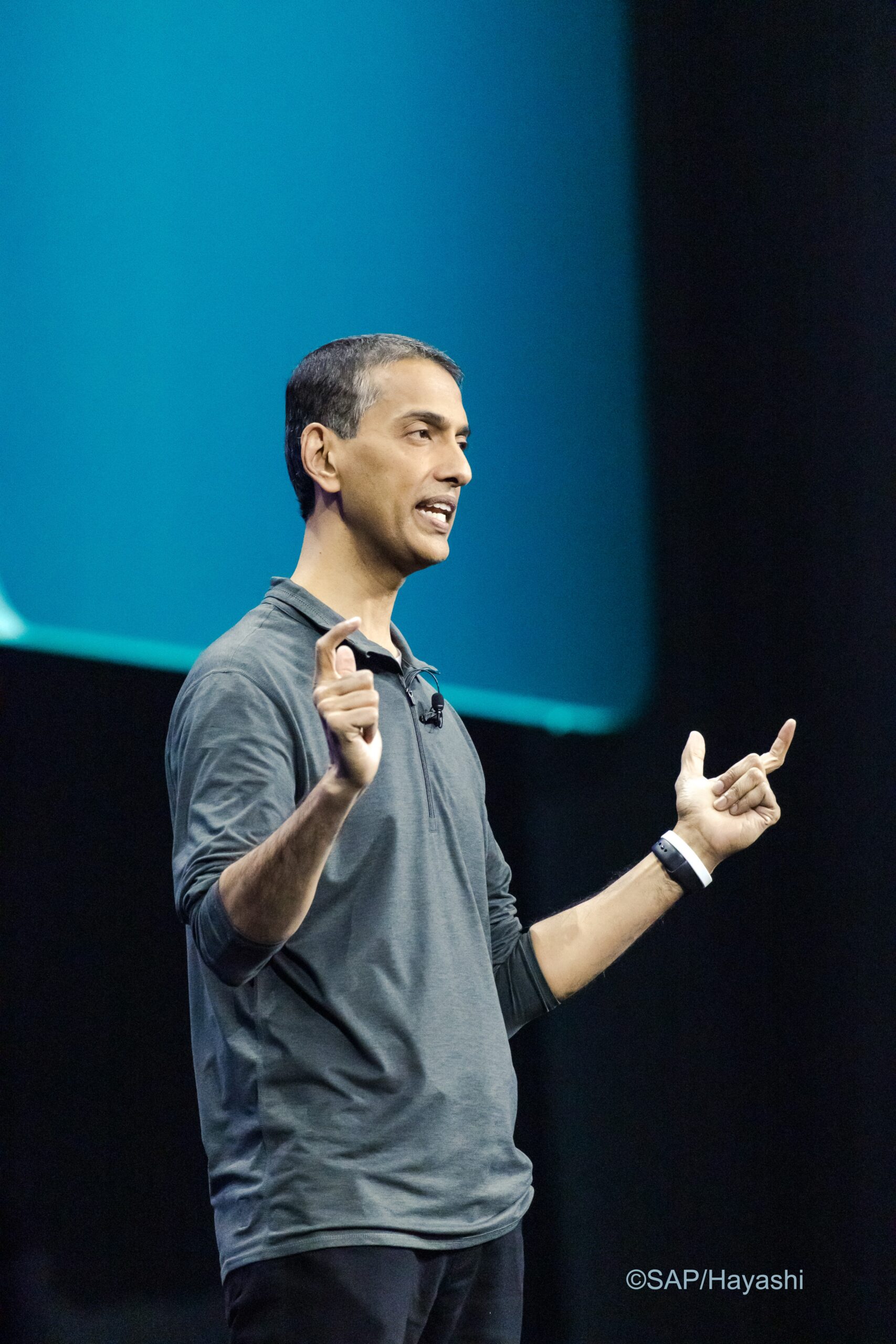
AI’s role in the enterprise has evolved—and at SAP Connect 2025, that shift took centre stage. SAP introduced the next stage of Joule, its generative AI (GenAI) assistant, now reimagined as a network of role-based partners embedded across the SAP Business Suite.
These assistants—such as the People Manager Assistant and Financial Planning Assistant—are designed not just to automate tasks, but to collaborate with people in context, helping them solve problems and make decisions in real time. Supported by a growing library of specialised Joule Agents, they execute complex workflows across functions like finance, supply chain, and HR, creating a more cohesive, intelligent enterprise.
“The story of AI in the workplace is both encouraging yet unfinished,” said Muhammad Alam, Member of the Executive Board of SAP SE, SAP Production & Engineering, during his keynote. “The best way to face uncertainty is with confidence that you can see what’s happening across your business and your network.”
In this vision, AI becomes less of a back-office automation engine and more of an active thought partner, one that empowers employees to focus on creativity, judgment, and innovation rather than repetitive execution.
2. Skills are the new supply chain

In a joint keynote session, Gina Vargiu-Breuer, SAP’s Chief People Officer, and Ian Beacraft, CEO at Signal and Cipher, explored how AI is transforming not only what we do but how we learn and grow. Their discussion underscored a critical theme for HR leaders: skills are emerging as the core currency of the AI age.
“Just like energy or raw materials fuelled the industrial age, AI drives the digital age—and this is powered and shaped by skills,” said Vargiu-Breuer. “The organisations that can dynamically adapt their skills portfolio will be the ones that thrive.”
Through SAP SuccessFactors and embedded AI tools, SAP is already applying this philosophy by enabling skills-first workforce planning, personalised learning paths, and dynamic role redesign. AI acts as both analyst and coach—spotting skill gaps, recommending training, and even curating reskilling journeys in real time.
Beacraft added that the shelf life of technical skills is rapidly shrinking—often just 18 to 36 months—which means that agility and learning must become built-in organisational capabilities. “We’re moving from a world where value is derived from how much I know to how quickly I can adapt,” he said. “The winners will be those who treat adaptability itself as a core skill.”
3. Culture decides the outcome of transformation
While technology can accelerate change, culture determines its success—a point Vargiu-Breuer emphasised throughout her remarks. For SAP, the transformation into an AI-powered organisation is as much about mindset as it is about tools.
“At SAP, AI is no longer optional. It is pivotal to our success,” she said. “But technology alone doesn’t drive transformation. Culture does.”
SAP has embedded what it calls a “growth culture”, guided by the principle that “best is never done.” This mindset encourages employees to experiment, learn fast, and view AI as a collaborator rather than a threat. Every employee, from a software engineer to an HR manager, is encouraged to treat AI adoption as a standard part of their daily work.
Beacraft agreed, adding that the leaders of tomorrow will need to become “organisational architect”, designing systems and cultures that keep humans and AI in sync. “The most valuable skill of the next decade will be the ability to unlearn and relearn,” he said. “We need to create environments where experimentation is rewarded, and progress is valued over perfection.”
This cultural agility, combined with the technical infrastructure unveiled at SAP Connect 2025—from AI-native supply chain orchestration to role-based assistants—is what positions organisations to not just survive volatility, but to thrive in it.
4. HR’s moment to lead the AI revolution
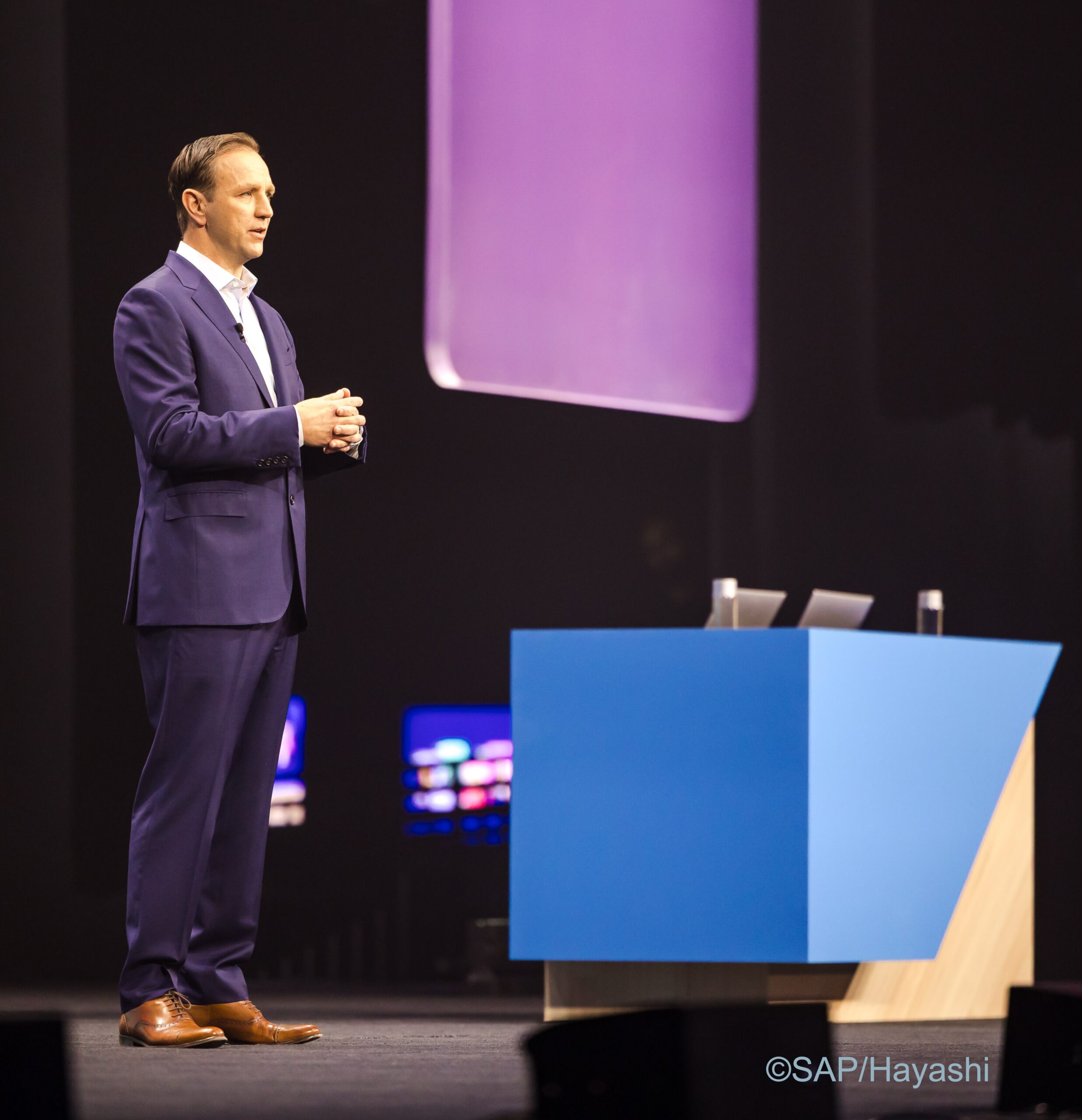
Daniel Beck, President and Chief Product Officer of SAP SuccessFactors, reminded the audience that HR is not just adapting to AI—it is positioned to lead the transformation. “Our own research indicates 92% of C-level executives believe HR should take the lead in bringing AI to the workforce,” he said. “If you’re in this room, this is your moment.”
Beck unveiled SAP’s latest innovations designed to make that leadership tangible: a new generation of AI agents that act as collaborators across the employee lifecycle—from payroll and talent development to workforce intelligence and HR service delivery. These agents build on SAP’s Joule platform, now operating in 11 languages and supported by 40 large language models, and are capable of agent-to-agent communication with trusted partners such as the Josh Bersin Company and Galileo through the new Workforce Knowledge Network.
The impact, Beck explained, is a future where HR leaders can connect people and business decisions more intuitively than ever before—powered by AI that reasons, learns, and collaborates across functions. “This is a new way we can add value to your organisations,” he said. “It’s going to make you look like a rock star as you bring these agents into your teams.”
5. The AI, data, and apps flywheel: Driving enterprise value
At the heart of SAP’s strategy is the flywheel of AI, data, and applications—a framework designed to deliver exponential value across the enterprise. Sebastian Steinhaeuser, Executive Board Member and Chief Operating Officer for SAP, explained that individual tools or agents alone cannot solve disconnected processes; real impact comes when AI is embedded across the entire SAP Business Suite, connected to clean data and supported by adaptable applications.
The flywheel works in three layers:
- AI: Role-based assistants and autonomous agents, like Joule, automate tasks, collaborate across departments, and provide actionable insights, boosting productivity.
- Data: The SAP Business Data Cloud connects all organisational data into a unified layer, enabling faster, smarter decisions across HR, finance, supply chain, and sales.
- Applications: From ERP to cloud suites, SAP applications continuously evolve, allowing AI to drive impact while processes are optimised through tools like Signavio and SAP Build.
Together, the flywheel turns intelligence into action, enabling organisations to adapt faster, improve outcomes, and transform operations into a seamless, outcome-driven ecosystem. As Steinhaeuser puts it, “Only if we make the flywheel spin can we leverage the full potential, delivering on your needs faster.”
As SAP Connect 2025 demonstrated, the future of work is no longer about technology or people alone; it is how the two come together. Organisations that embrace AI as a collaborator, cultivate skills as the new currency, foster a growth-driven culture, and empower HR to lead will be best positioned to thrive. With the AI, data, and applications flywheel at its core, SAP is providing a blueprint for turning insights into action, connecting employees to business outcomes, and creating an enterprise that is smarter, faster, and more resilient. For HR and business leaders alike, the message is clear: the time to define the future of work is now.