Singapore’s workforce is undergoing a subtle but significant shift as employees recalibrate what truly matters to them in an era marked by economic uncertainty, rising living costs and rapid technological change. Traditional aspirations centred on fast promotions and higher pay are giving way to deeper priorities such as stability, emotional fulfilment and long-term career sustainability.
These preferences closely reflect insights from Deel, whose recent findings highlight five emerging behaviours shaping the employee experience (EX) in Singapore.
One of the clearest changes is the rise of “job hugging”—a slowdown in job hopping as employees choose to remain in their current roles rather than take risks in an unpredictable market. This sentiment is driven less by organisational loyalty than by a practical desire for security. As organisations restructure and industries digitise, the comfort of familiar environments has become a buffer against volatility. Stability, once seen as a conservative choice, is now a strategic one.
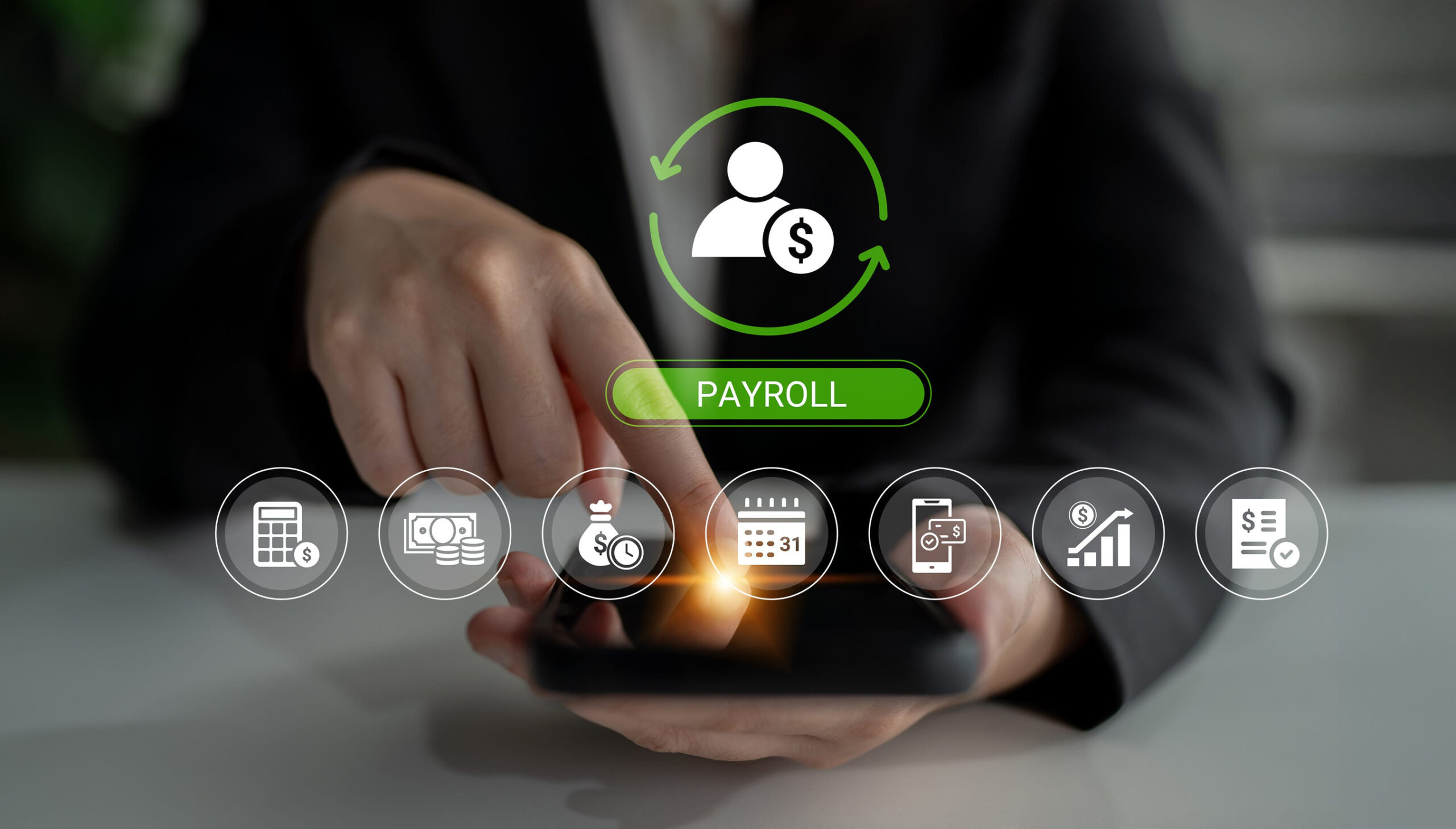
Alongside this, employees are increasingly seeking what Deel describes as “emotional salary”. With fewer pay raises on the table and tighter hiring budgets, employees are turning their attention to intangible benefits such as recognition, autonomy, meaningful work and flexible arrangements. The shift is backed by data from Deel’s 2025 Singapore Payday Expectations Report, which shows that only 13% of employees feel their salary has kept up with inflation, while 79% want more flexible pay cycles and over half want greater control over how their compensation is structured. These expectations signal that financial stability alone is no longer enough; emotional value now plays a critical role in retention.
Flexibility is also evolving in new ways, most notably through “microshifting”. Instead of following a conventional 9-to-5 schedule, employees are breaking their workdays into shorter, purpose-driven segments that align with personal routines and responsibilities. This model allows employees to stay productive while accommodating school commitments, caregiving duties or rest periods, reflecting a broader move towards work rhythms tailored to individual needs.
READ MORE: AI reshapes workforce: Two-thirds of organisations expect steep decline in entry-level hiring
Another trend gaining traction is “conscious unbossing”, particularly among younger professionals. Rather than pursuing traditional management roles, some employees are choosing career paths that prioritise balance and autonomy over hierarchy. This shift challenges organisations to rethink talent development and succession planning, especially as fewer employees aspire to climb conventional leadership ladders.
The emotional landscape of work is also being reshaped by “LinkedIn envy”, a growing sense of inadequacy fuelled by constant exposure to others’ career milestones on professional networks. As employees compare themselves to highly curated success stories online, feelings of pressure and self-doubt are becoming more common—adding a new dimension to the conversation about mental wellbeing at work.
Karen Ng, Regional Head of Expansion, Enterprise, North and South Asia, Deel, concluded, “In Singapore, the traditional career script is being rewritten as employees navigate not just economic headwinds, but also shifting personal priorities.”
“We are seeing more people ‘hug’ their current roles, not out of inertia, but from a desire for stability. This is a response to rising costs and persistent uncertainty, but also to a growing demand for emotional benefits like greater recognition, more autonomy and a sense of purpose. When employees feel both financially secure and emotionally supported, they are not only more likely to stay with an organisation, but also to contribute more meaningfully to the organisation’s growth. That is the real opportunity for employers in Singapore in 2026 and beyond.”