
When a colleague’s heart stops, who steps forward?
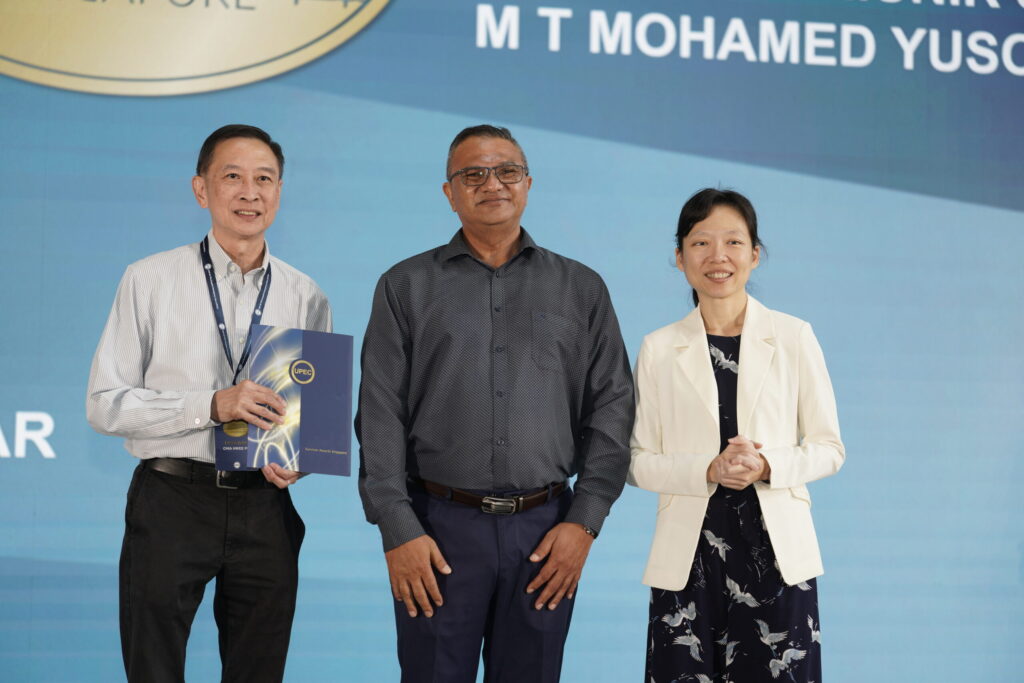
As Singapore introduces a certification for cardiac-ready workplaces, a survivor and a cardiologist share what it takes for colleagues to act when a cardiac emergency strikes.
Pay rise of 6% to 8% recommend for lower-wage workers in Singapore

Lower-wage workers earning up to S$2,800 a month should receive a 6% to 8% increase or at least S$120, with the guidelines also calling on employers to invest in AI-related skills.
Why return-to-work for women starts before she resigns

Career breaks are often the end point of months of unmet requests, new research by the Singapore Council of Women’s Organisations (SCWO) finds. Its CEO, Koh Yan Ping, on what employers miss while a woman is still in the job.
CHRO Singapore 2026: Time saved, skills at risk, trust on the line

From productivity gains to disappearing entry-level work and the gap between what leaders and employees sees, the conversation at CHRO Series Singapore 2026 kept returning to what AI changes for people.
Mental health at work: When well-meaning caution narrows a career
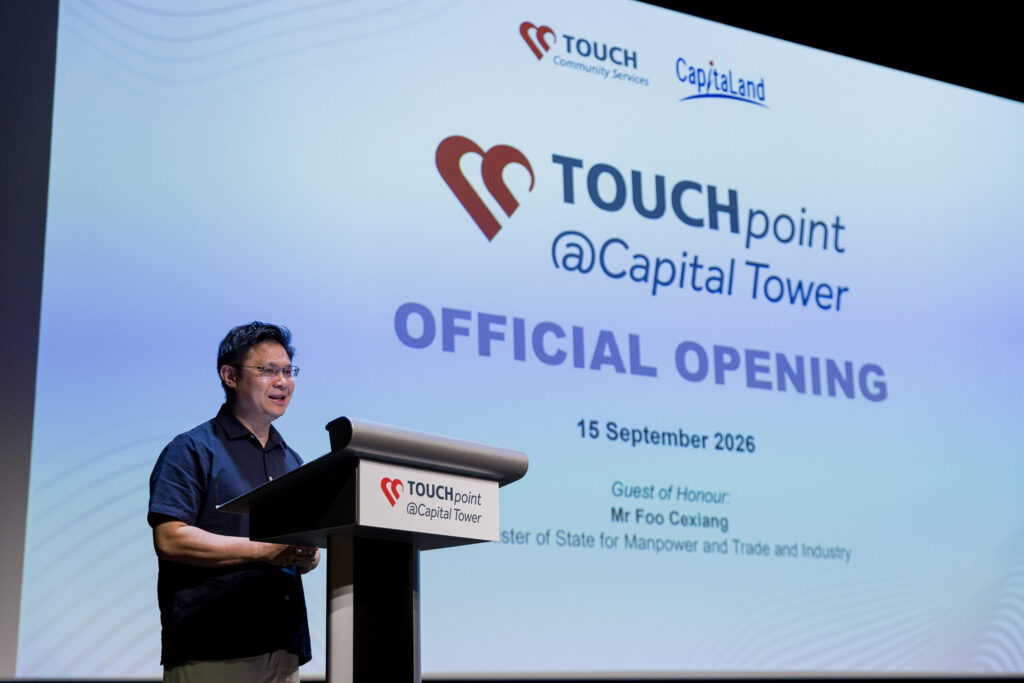
Employers have expanded mental wellness provisions considerably. Andrea Chan of TOUCH Community Services explains why the harder test comes after an employee speaks up.
Most employees in Singapore now use AI at work, but fewer than four in 10 have been trained in it

AI is now part of the working week for most employees in Singapore, but employers say nearly half of their workforce is still using it only for general tasks.
Why redesigning a job takes more than the equipment that prompted it

With Singapore’s workforce no longer growing and a larger foreign workforce off the table, facilities management is reshaping its frontline roles. ICFM’s Lynn Lim on multi-skilled teams, an ageing workforce, and why a robot on its own changes nothing.
Singapore to require certified HR professionals at firms with more than 200 staff from 2028

A new certification requirement aims to double Singapore’s pool of certified HR professionals to around 18,000 by 2030.
Own data, not benchmarks: What holds up in a board conversation on wellbeing

Employers overwhelmingly say workplace wellbeing matters. AIA Singapore’s Kenneth Tan tells HRM Asia why that agreement rarely survives contact with a board, and what evidence does.
Singapore to share enhanced childcare leave details in early 2027

The government is studying ways to help employers cover employees on leave and is considering an accreditation mark for work-life-friendly workplaces, as Minister Indranee Rajah says caregiving leave should become part of normal HR policy.
Where do senior cyber professionals come from when the junior jobs disappear?

AI is absorbing the junior work that senior cybersecurity professionals once learned on. Fortinet’s Jess Ng on what that means for the talent pipeline and for retention.
What raising a child taught a CEO about leading
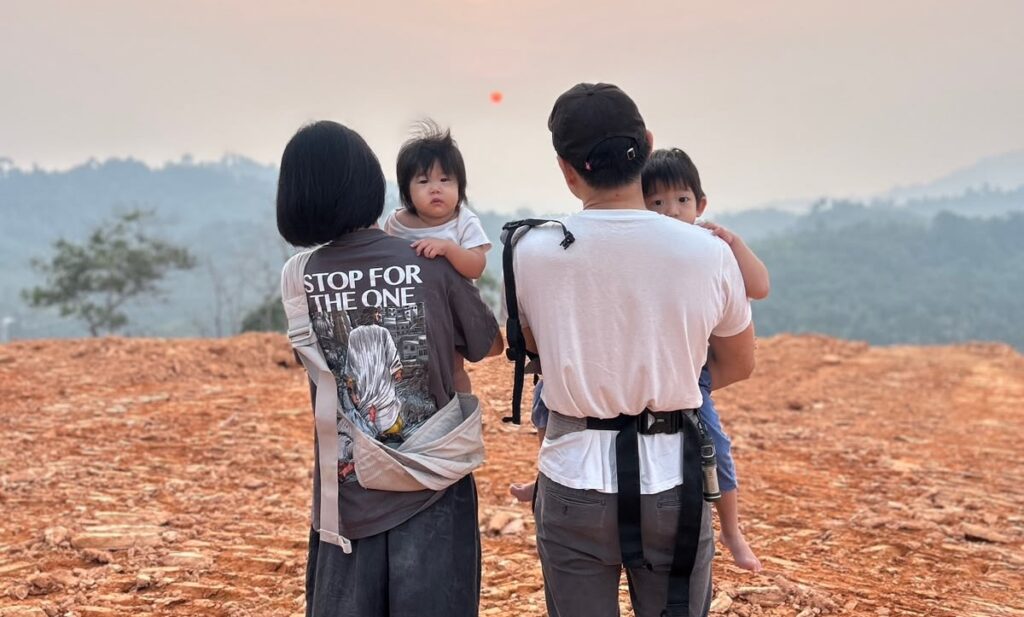
Being physically present with his newborn son did not make Dr Xander Ong a more confident father—taking sole responsibility did. The Centre for Fathering CEO on why that shift from helping to owning shapes stronger leaders, and why parental leave belongs in the conversation about talent.
Employers in Singapore take more selective approach to hiring in Q4 2026

Singapore’s hiring outlook remains subdued as employers take a more selective approach to headcount while grappling with persistent skills gaps.
More employers in Singapore set to hold wages flat in 2027

Business prospects look steadier for 2027, but rising manpower costs are keeping employers cautious on pay – and the improvement is not reaching every sector.
Can making tea be a career? CHAGEE and ITE build the ladder
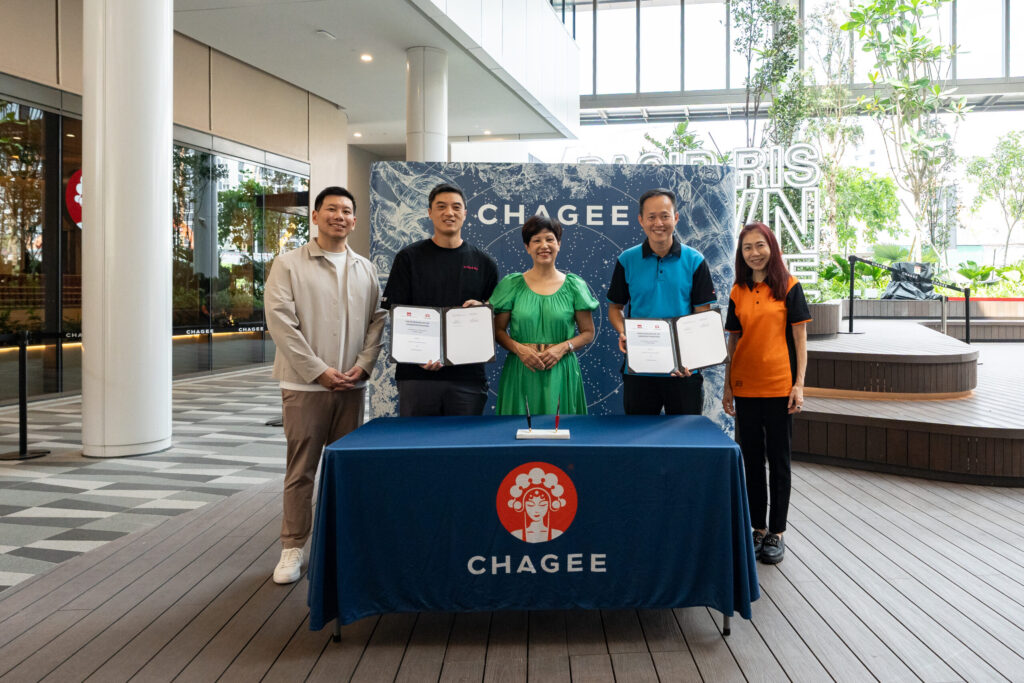
A new CHAGEE-ITE qualification folds tea-beverage skills into a national vocational course and the chain’s own shop-floor training – a bid to turn a high-churn frontline job into a certified profession, and one whose skills, CHAGEE says, a worker keeps wherever they go next.
Singapore ties childcare leave to the number of children

Childcare Leave and Extended Childcare Leave will be merged into a single scheme scaled to the number of children, with employers reimbursed for the full duration of all child-related leave up to the existing cap.
What workplace support for marrow donation looks like in practice

Nearly half of Singaporeans say workplace support shapes whether they would register as a marrow donor. What that support looks like in practice is still being worked out.
Ten years of poor health, and the workplace in the middle of it
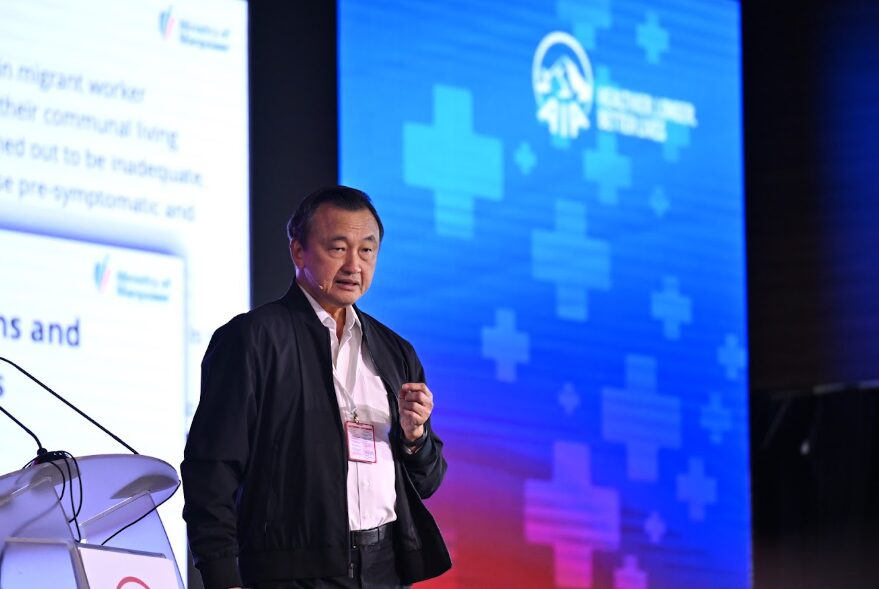
Between a health span ending at 70 and a life expectancy of 80 sits a decade in poor health. At the inaugural AIA Healthcare Summit, the argument was that employers hold more of that decade than they think, and that fragmentation – not funding – is the constraint.
The technology is the easy part. Transformation stalls on the people.

Singapore’s S$400 million Enterprise Workforce Transformation Package is a bet that the workforce, not the tooling, is the missing piece of the AI.
Retrenchments climb to five-year high as Singapore’s job market keeps growing
Singapore’s labour market remained resilient in Q2 2026 with employment continuing to grow despite a rise in retrenchments driven by business restructuring in key sectors.
Beyond execution: Why the AI revolution is scaling the human premium

As AI absorbs more of the execution in knowledge work, StarHub’s Tan Toi Chia argues the real transformation is happening in how work is designed – and in the human capabilities that never show up on a balance sheet.
AI reshapes hiring strategies as employers in Singapore expand cross-border talent search

New research finds employers in Singapore are widening their talent search across borders as AI reshapes hiring and doing so with less urgency than their global peers.
Where AI takes over, where humans stay – and where work simply changes
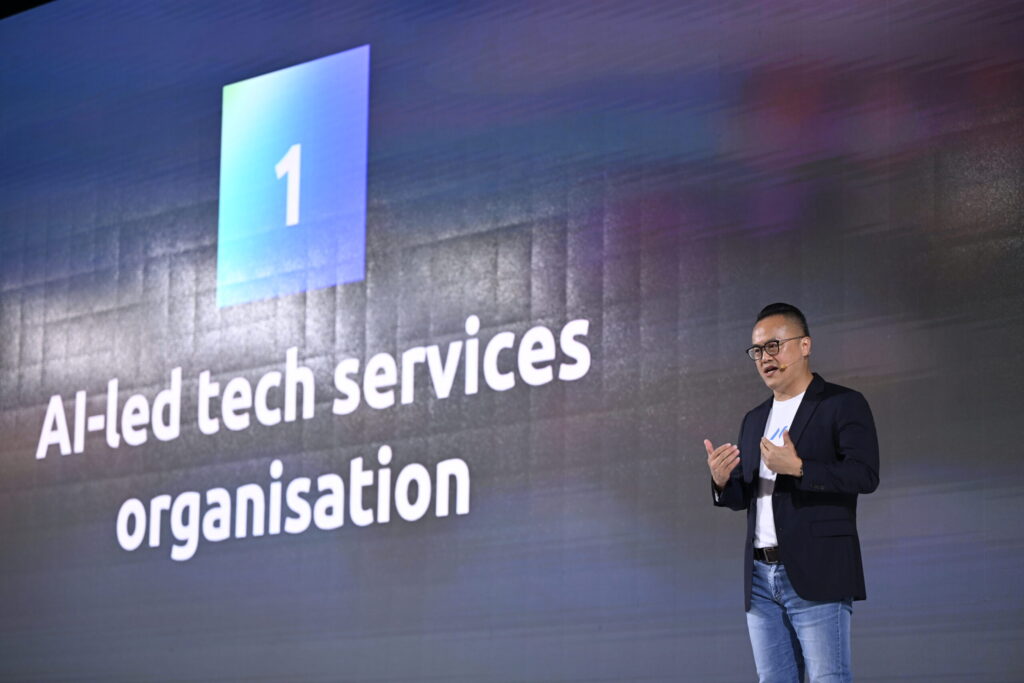
The era of intelligentisation demands specifics, not sweeping claims – on where AI helps, where it substitutes, and where human judgment must prevail.
For relocating families, a residence designed around the youngest guests
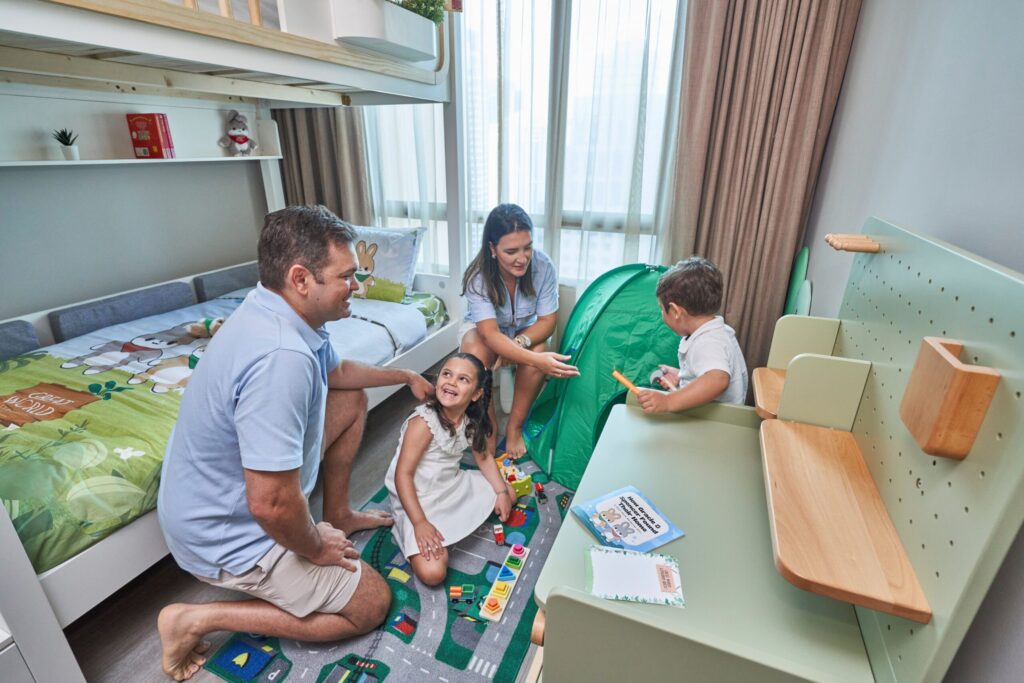
Family adjustment is one of the quieter determinants of whether an international assignment succeeds. A new limited-time apartment concept at Great World Residences turns its attention to the part of the household that is often hardest to settle: the children.
Fixing the workplace, not just the symptoms: Inside HSBC Singapore’s structural shift to employee wellbeing
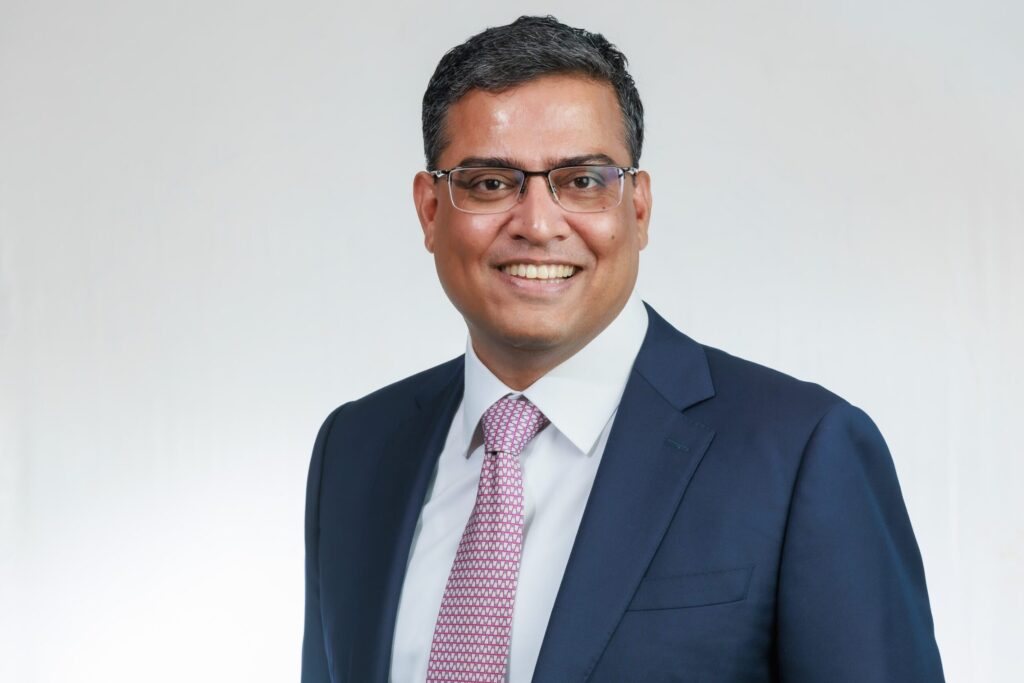
Head of People Mukul Anand discusses moving beyond traditional coping mechanisms to embed genuine psychological safety and inclusive design into everyday operations.
Your job is changing – even if you never change jobs
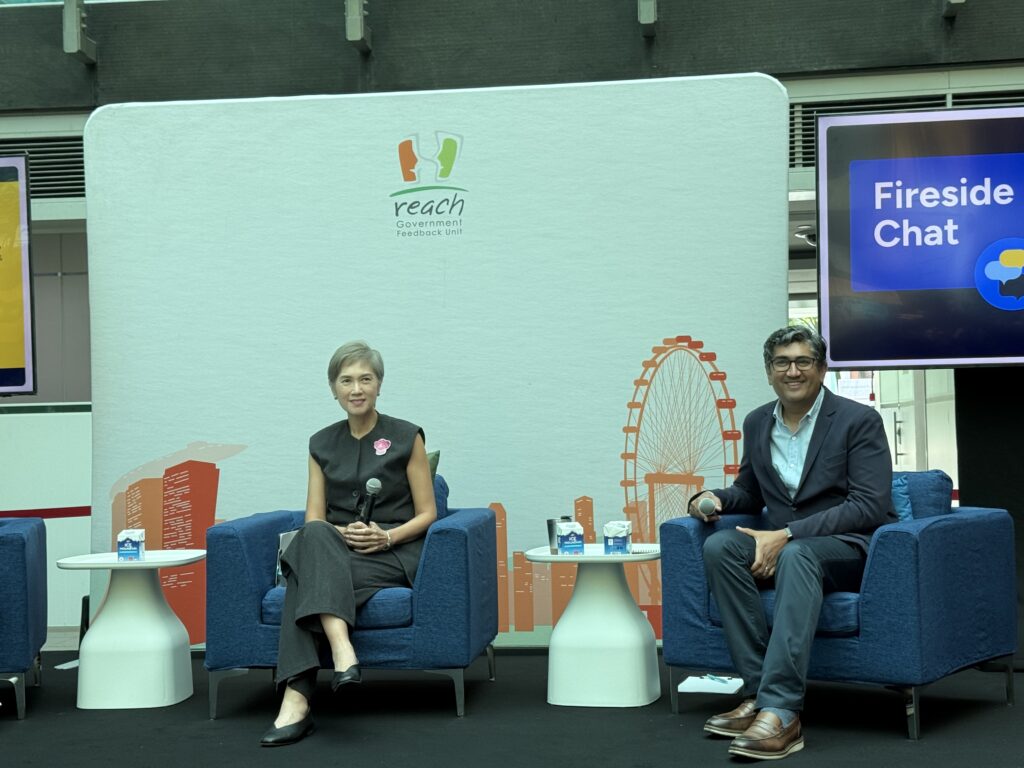
In an interview with HRM Asia, LinkedIn’s Aneesh Raman explains why AI is rewriting work at every level, and what it signals for how employers hire, develop and structure talent.
Deliberate, not delayed: Why Gen Zs and millennials in Singapore are rewriting the rules of career success
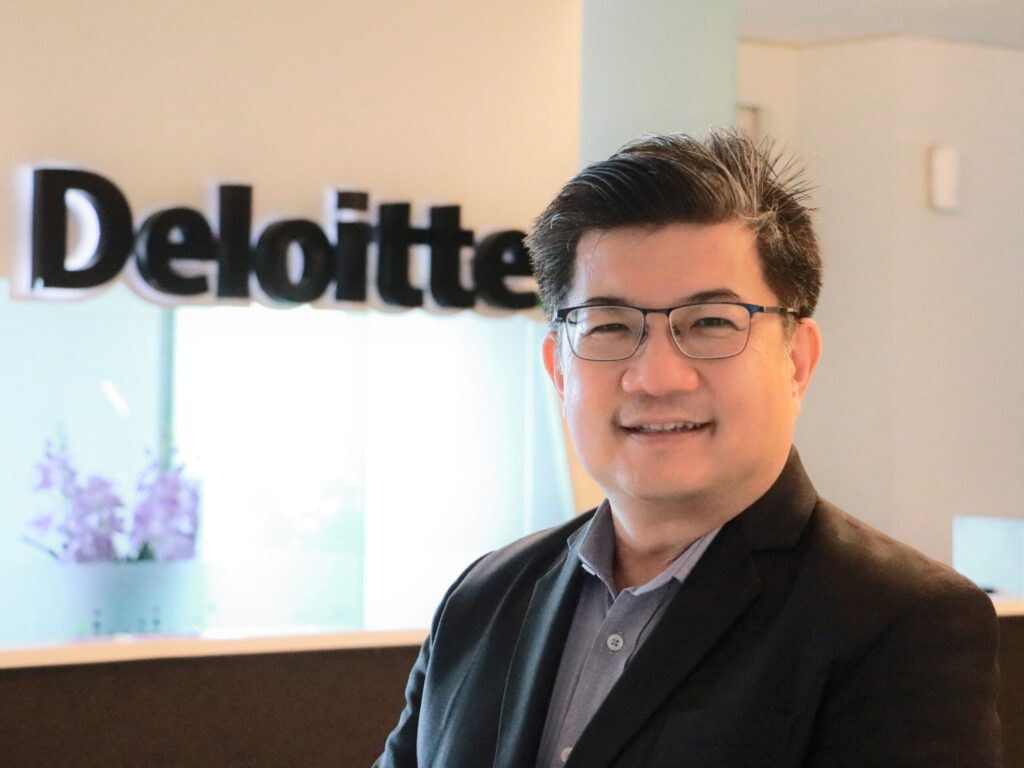
Singapore’s younger workforce is redefining ambition, and Deloitte’s Mark Nicholas Teoh says employers must adapt to their changing expectations.
Singapore’s AI upskilling push: It is time to bring the frontline along

While AI adoption is rising rapidly in Singapore, Rachel Chen of J&T Express warns that frontline employees risk being left behind without targeted upskilling.
Employers in Singapore hold firm on hiring but pay up for AI and critical thinking skills

Singapore’s labour market is showing signs of moderation, as organisations shift from workforce expansion to capability building.
How the search for purpose is rewriting the social contract between employer and employee
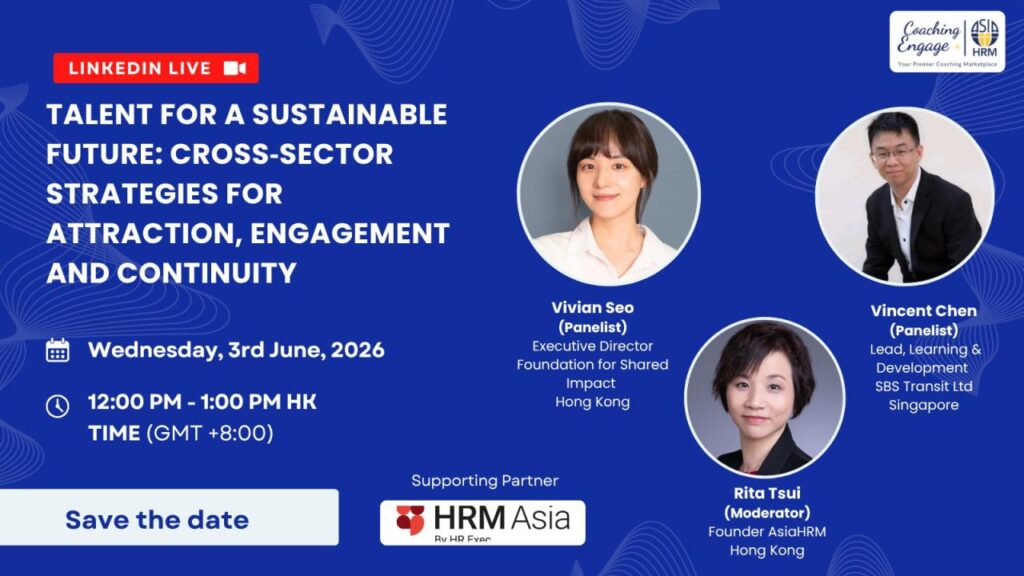
Purpose, empathy, and adaptability are emerging as critical drivers of talent attraction, engagement, and retention in an AI-powered future.