

A year of transition: TADA’s Kay Woo on navigating Singapore’s new regulatory norms
- Josephine Tan
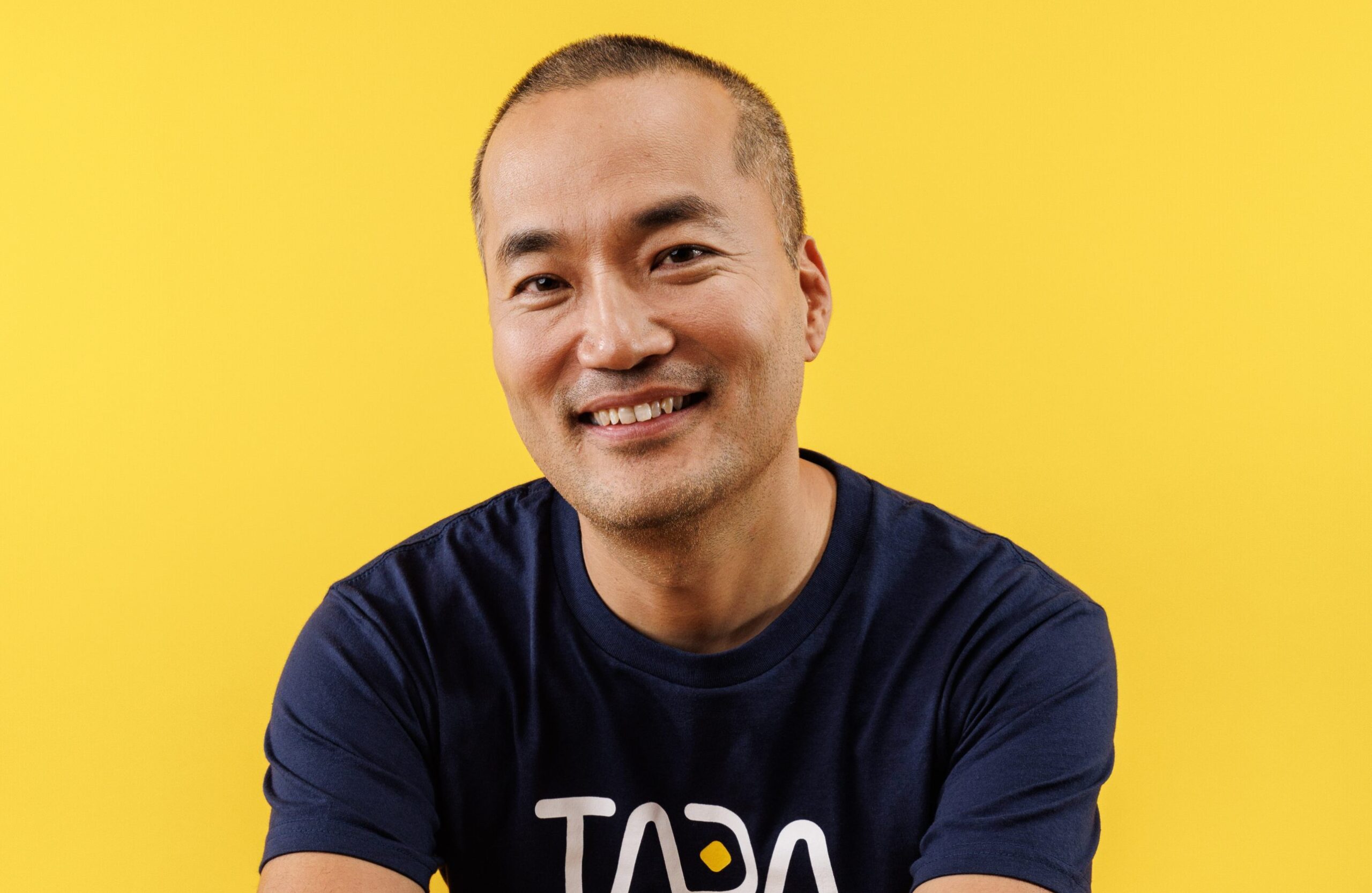
As 2025 draws to a close, the gig economy in Singapore has had a full year to adjust to a new reality. Since the implementation of the Platform Workers Act in January, the sector has operated under a mandate requiring platform operators to make Central Provident Fund (CPF) contributions for younger workers, alongside standardised work injury compensation.
For the ride-hailing industry, historically reliant on lean margins and flexible labour costs, the past 12 months have presented a complex financial equation. However, looking back on the transition, Kay Woo, Group CEO and Founder of MVLLABS—the parent company behind TADA—views the legislation not as a disruption, but as a necessary maturation of the sector.
“To us, this shift in regulation is a crucial recognition of gig workers as skilled professionals who deserve proper social protections,” Woo told HRM Asia.
Now that the initial adjustment period has passed, TADA’s response offers a distinct case study in business adaptability within the gig economy. By maintaining its zero-commission model while absorbing the new CPF liabilities throughout the year, the organisation is testing whether a focus on driver retention and sentiment can yield sustainable business results in a regulated era.
The primary challenge introduced by the Act this year was the structural increase in labour costs. Platforms are now responsible for the Platform Operator share of CPF for workers born on or after 1 January 1995, as well as for older workers who opted in.
Standard industry logic might have suggested recouping these costs through increased commissions or higher fares. However, Woo argued that the traditional high-commission model has faced significant sustainability challenges as these regulatory demands have taken hold.
“To protect revenue, such platforms may respond by raising fares or intensifying commission structures, which ultimately impacts both drivers and riders,” Woo observed. “This shines a light on the long-term challenges with high-commission models.”
TADA has taken a different route. Throughout 2025, the platform has contributed to the full operator share for eligible drivers without altering its zero-commission structure, which charges drivers a fixed transaction fee rather than a percentage of the fare. According to Woo, this approach is designed to decouple the platform’s financial viability from the extraction of driver income, allowing drivers to retain “financial autonomy” and manage savings for housing and retirement—benefits typically associated with full-time employment.
READ MORE: New bill to transform Singapore’s gig economy with stronger protections
While the Platform Workers Act established a legal framework for protections, Woo suggested that the industry’s evolution over the last year highlights a need to look beyond statutory compliance to truly professionalise the workforce.
He advocates a Total Rewards approach tailored to the gig economy, envisioning a system where drivers have access to “hospitalisation, critical illness, and micro-savings schemes…accessible at scale through group-purchasing models.”
Furthermore, as gig work continues to transition from a stopgap solution to a long-term vocation for many, the need for career development has become apparent. Woo emphasised the importance of structured upskilling, suggesting that platforms should provide digital literacy training and transferable certifications. This strategy aims to improve service quality while offering workers a sense of professional progression often lacking in contingent roles.
Addressing isolation in a decentralised workforce
Beyond financials and benefits, the psychological toll of gig work remains a pressing operational challenge. Without a physical office or colleague, drivers often face significant isolation, which can lead to disengagement and churn.
“Isolation is one of the biggest challenges gig workers face today,” Woo noted. “It’s easy to feel like just a number or a one-off task rather than a valued part of something bigger.”
To counter this, TADA has invested in community-building strategies that mirror corporate engagement programmes. These include informal feedback sessions dubbed Kopi with Drivers, large-scale social events like annual dinners, and the ongoing operation of a physical TADA station—a dedicated space for drivers to rest and socialise.
Woo believes these initiatives are essential for fostering loyalty. “These gestures create real connections that go beyond transactional relationships,” he said, highlighting the importance of listening to worker concerns in an industry often managed by algorithms.
As the conversation around the future of work increasingly prioritises worker wellbeing, a platform’s reputation for fairness has become a tangible business asset. In a competitive market, the ability to attract and retain a stable supply of drivers is paramount.
“Reputation is everything, especially now,” Woo asserted. “Fairness, honesty, and transparency are no longer ‘nice to have’ but expected standards.”
Woo argued that clear policies and transparent earnings structures reduce friction and uncertainty for drivers. By positioning the platform as a partner rather than just an intermediary, TADA aims to lower regulatory risk and improve commuter satisfaction through a more motivated workforce.
“In the long run, platforms that prioritise fairness and clarity will build the most resilient ecosystems,” Woo predicted.
As Singapore’s platform economy settles into its new regulatory norms, TADA’s approach serves as a notable experiment in balancing operational costs with worker welfare. “We envision a future where [drivers] are further empowered and have a meaningful sense of ownership in the platform’s success,” Woo concluded. Whether this driver-centric model becomes the industry standard remains to be seen, but it undoubtedly marks a shift in how platforms view their relationship with the workforce.